
Government Car Auctions Can Be Gold Mines, But They’re Also Full of Ways to Screw Yourself
by AutoExpert | 30 June, 2026
Used cars are expensive enough now that people are starting to look in places they used to ignore completely. That is how government surplus auctions end up back in the conversation.
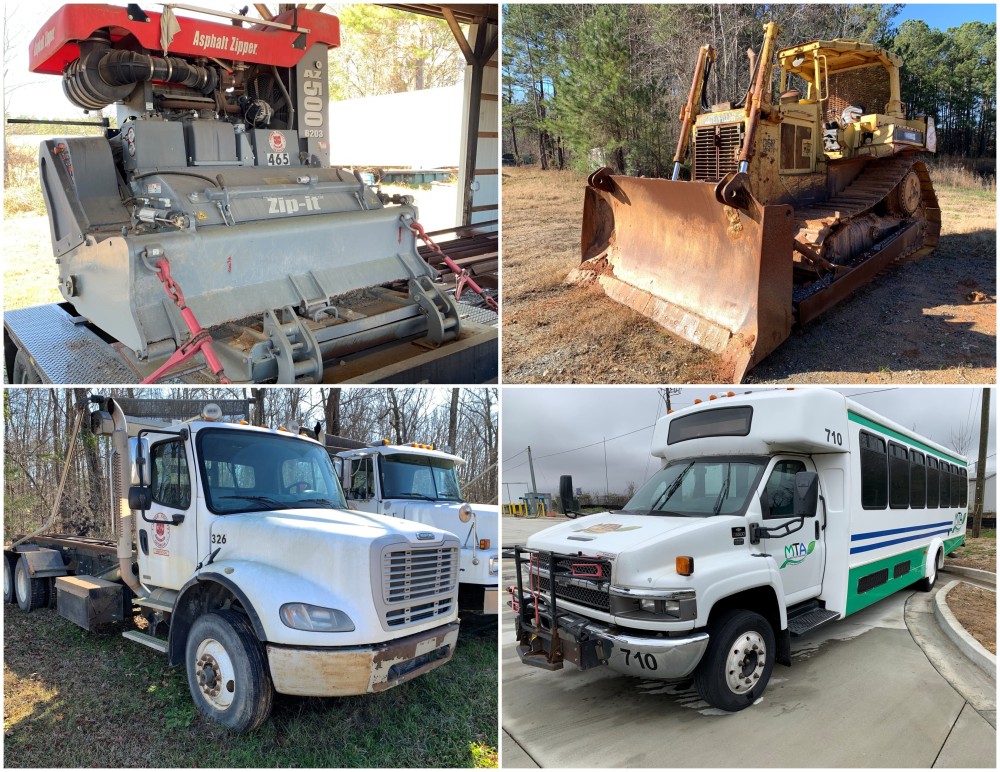
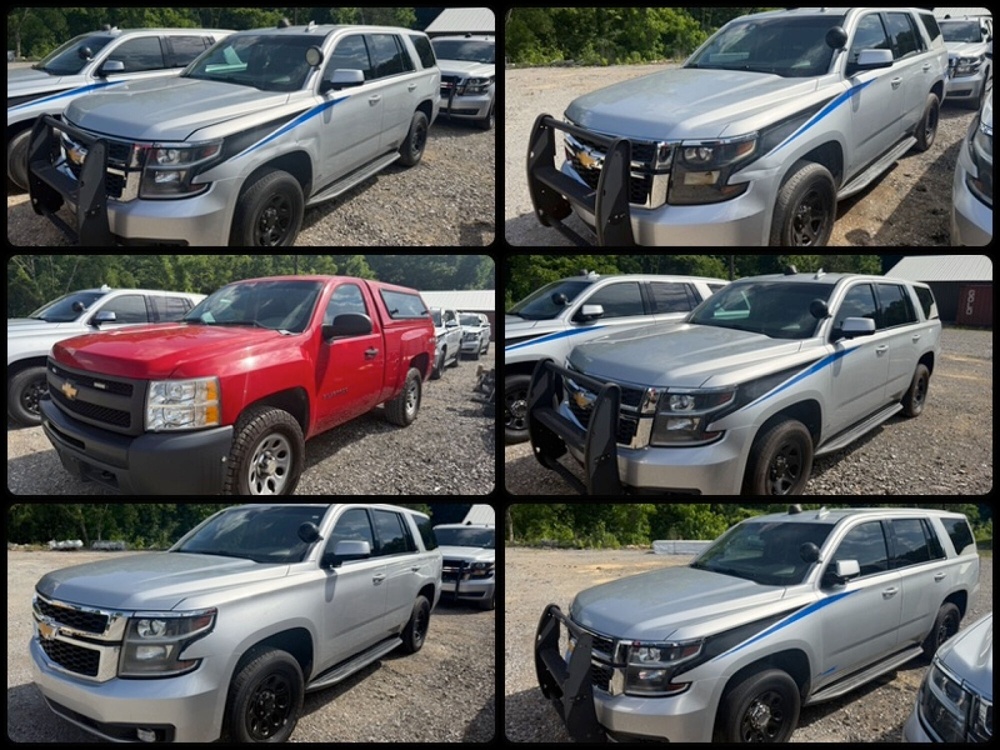
On paper, they sound like the kind of thing a smart, slightly obsessive bargain hunter would love. Ex-police SUVs, old state fleet sedans, pickup trucks, work vehicles, maybe even the occasional surprisingly normal commuter car, all dumped into auction channels because some agency is done with them and wants them gone. If you are lucky, you walk away with something useful for way less than it would cost on a normal used lot.
And sometimes that really does happen.
That is why these auctions are dangerous in such a specific way. They are not fake deals. They are real deals sitting right next to very real ways to make a bad decision quickly.
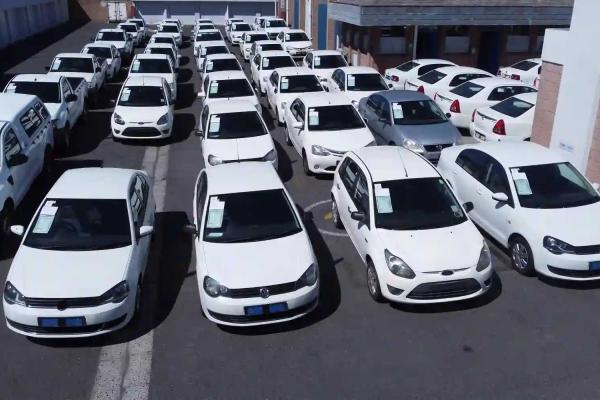
The appeal is easy to understand. A lot of government-owned vehicles were bought to do boring, predictable jobs. Fleet sedans, inspector pickups, municipal trucks, highway department rigs, pool cars, stuff like that. They may not have lived glamorous lives, but some of them were serviced on schedule, kept in rotation, and retired not because they were dead, but because a replacement cycle said it was time. When you find one of those, the math can look really good.
That is the dream.
The other side of the dream is a vehicle that spent years getting absolutely hammered. Police use, rough idling, short trips, utility duty, hard drivers, hard stops, curb hits, mystery smells, weird holes drilled into the dashboard, bits removed, trim missing, wiring altered, title issues, body damage nobody photographed honestly, and an auction description written in the emotional tone of a shrug. That version exists too.
And the problem is they can look weirdly similar in a listing.
That is what makes government surplus auctions interesting. You are not really buying in the same environment as a regular used-car lot, where someone is at least pretending to sell you a lifestyle. Here, nobody is trying very hard to romance you. The vehicles are usually listed with dry descriptions, inconsistent photos, blunt notes, and a strong sense that once the hammer falls, whatever happens next is your problem.
Which, to be fair, is refreshingly honest.
The process itself is usually pretty simple. You browse listings, bid online or in person depending on the auction, watch the countdown, and hope nobody else noticed the same thing you did. Some auctions are run directly through government channels, others through outside platforms that specialize in this kind of stuff. Either way, the basic experience feels a bit like eBay for people who think “former police pursuit SUV” sounds like a personality trait.
And that is part of the fun.
You really can find almost anything. Sedans with absurd mileage but decent bones. Old pickups that still look ready for another working life. Budget commuter cars. Fleet SUVs. The occasional former patrol vehicle that makes you briefly imagine a much more dramatic version of yourself than the one currently refreshing bid pages in sweatpants.
That variety is what pulls people in. The prices are what keep them there.
Because sometimes the numbers really are attractive. A car that might cost ten grand in the usual used market can suddenly look attainable for half that, or less, if the auction crowd is sleepy, the listing is ugly, or the title situation scares off enough casual shoppers. That is where the opportunity lives. Not in fantasy, but in the fact that these vehicles are often being sold with less polish, less emotional marketing, and less margin built in than what you would find on a dealer lot.
But that lower price is not free money. It is compensation for risk.
That is the part people need tattooed on their forehead before they start bidding.
A cheap government auction vehicle can be a bargain. It can also be a very effective way to buy somebody else’s headache in bulk. Most of these vehicles do not come with a warranty. Nobody is promising the photos caught everything. Nobody is guaranteeing the title story is simple. Nobody is handing you a soft little retail experience where you can complain later and maybe get somewhere. If you miss something, that miss belongs to you.
That is why due diligence matters more here than almost anywhere else.
If the auction allows in-person inspection, go. Absolutely go. Not maybe. Not if convenient. Go. Look underneath. Check the interior. Read everything. Look for missing trim, mismatched paint, odd holes, strange wear, warning lights, sloppy repairs, rust, title wording, all of it. If the description says “runs and drives,” do not let your imagination turn that into “good car.” Those are not the same sentence.
And if you cannot inspect it in person, then at least act like the missing information is part of the price. Because it is.
Former government cars can be great buys when you know what you are looking at. Some agencies maintain vehicles well. Some retire them on schedule. Some sell off perfectly usable, deeply unexciting machines that still have years left in them. Those are the ones you want. The trick is recognizing them before somebody else does, and before you accidentally talk yourself into a vehicle whose low bid is low for a reason.
That last part matters. A lot.
People love the fantasy of beating the market. Finding the hidden deal. Scoring the tough-looking SUV for nothing. Dragging home the retired truck that everyone else somehow overlooked. And sometimes that fantasy is real. But sometimes the reason nobody else wanted it is that everybody else already spotted the problem.
That is the tension with these auctions. The hidden gem and the hidden disaster often live two listings apart.
So yes, government surplus vehicle auctions can absolutely uncover real deals. That part is true. They can also punish lazy buyers faster than almost any normal used-car channel. The bargains are there, but so are the traps.
Which means the smartest attitude going in is not excitement.
It is suspicion with good note-taking.
Because if you bring that, plus a little patience and enough restraint not to fall in love with a bad idea just because it used to chase criminals or haul county equipment, then yeah, you can come out ahead.
Just do not confuse “cheap” with “safe.”
At an auction, those are never the same thing.