Why MPG Numbers Quietly Shifted After 2020, and Why It Wasn’t Just the Cars
by AutoExpert | 2 July, 2026
When people see fuel economy numbers change, the first instinct is usually to blame the car.
Maybe the engine got worse. Maybe the transmission tuning changed. Maybe the automaker got sloppy. Maybe the newer version just is not as efficient as the old one. That is the obvious explanation, so it is the one most people stop at.
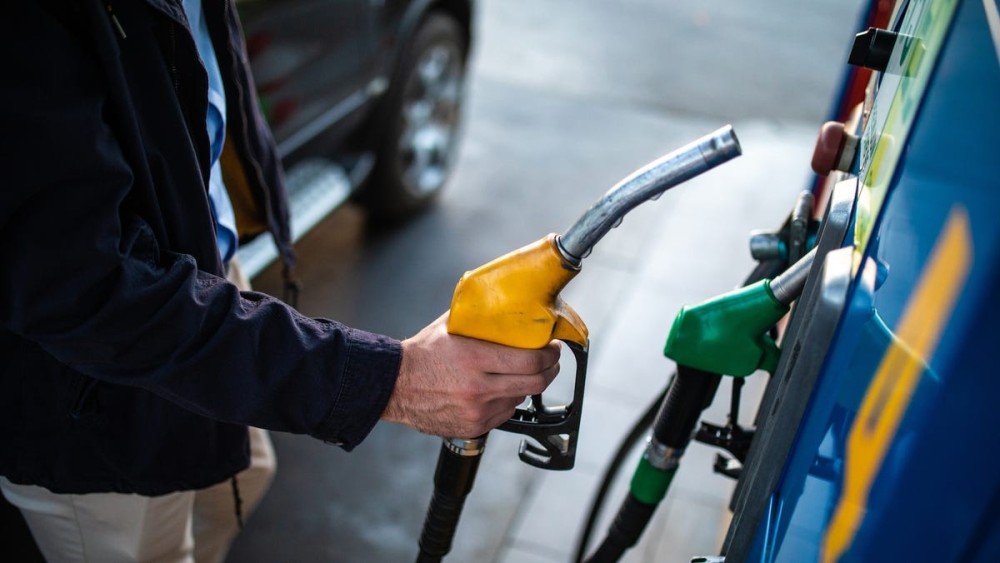
But after 2020, part of the story was not the cars at all. It was the fuel used to test them.
And almost nobody talks about that.
The short version is this: the EPA changed the test fuel standard to better match the kind of gasoline Americans were actually using, and when that happened, measured fuel economy took a small hit. Not because the cars suddenly forgot how to be efficient, but because the testing setup itself got more realistic.
That is the part people miss.
Sulfur is where the whole thing starts. It is naturally present in crude oil, which means it can end up in gasoline unless it is removed during refining. That matters because sulfur is bad news for modern emissions systems. It makes it harder for catalytic converters and other emissions-control hardware to do their job properly, which is why the EPA spent years pushing fuel sulfur levels lower and lower.
From a clean-air standpoint, that made sense. Less sulfur meant cleaner operation and better emissions performance. But these fuel rules were not just about what came out of the tailpipe. They also changed the fuel environment cars were being tested in, and that matters more than it sounds.
The EPA had already started moving in this direction years earlier by treating the vehicle and the fuel as one combined system instead of pretending they were separate issues. That was a big shift. It meant cleaner cars would depend partly on cleaner gasoline too. Then came the Tier 3 transition, which pushed sulfur levels even lower and updated the test fuel to be closer to real pump gas.
That was the big turning point.
Before that, test fuel did not always reflect what drivers were actually buying in everyday life. Then the EPA moved to a more representative fuel blend, including gasoline with ethanol content more like what was common in the real world. Once that happened, fuel economy results dipped a bit in testing.
Not massively. But enough to matter.
That is why some post-2020 comparisons can feel a little strange if you are lining up older test results against newer ones as if nothing changed in the background. Something did change. The ruler itself moved a little.
And this is where people tend to get confused, because a drop in measured MPG sounds like bad news full stop. But the point of the change was not to make cars look worse. It was to stop measuring them with a fuel that no longer matched what most drivers were actually using. In other words, the test got a little less flattering and a little more honest.
That is not the same thing as the car becoming worse.
It is more like switching from a polished lab scenario to something closer to real life and realizing the old numbers had been a bit kinder than people thought.
There is also a tradeoff here that gets lost when everyone fixates on the MPG side. The updated fuel standards were part of a broader emissions strategy. Lower sulfur gasoline helps modern emissions systems work better, and that has real environmental value. So yes, measured fuel economy dipped somewhat under the newer test fuel, but emissions performance improved. Carbon dioxide results also shifted. That is why the story is a lot more nuanced than “fuel economy got worse.”
It is really a case of the testing becoming more representative of reality, while the fuel itself became cleaner in ways that helped emissions systems do their job.
That is not a dramatic headline, which is probably why it does not get much attention.
But it matters.
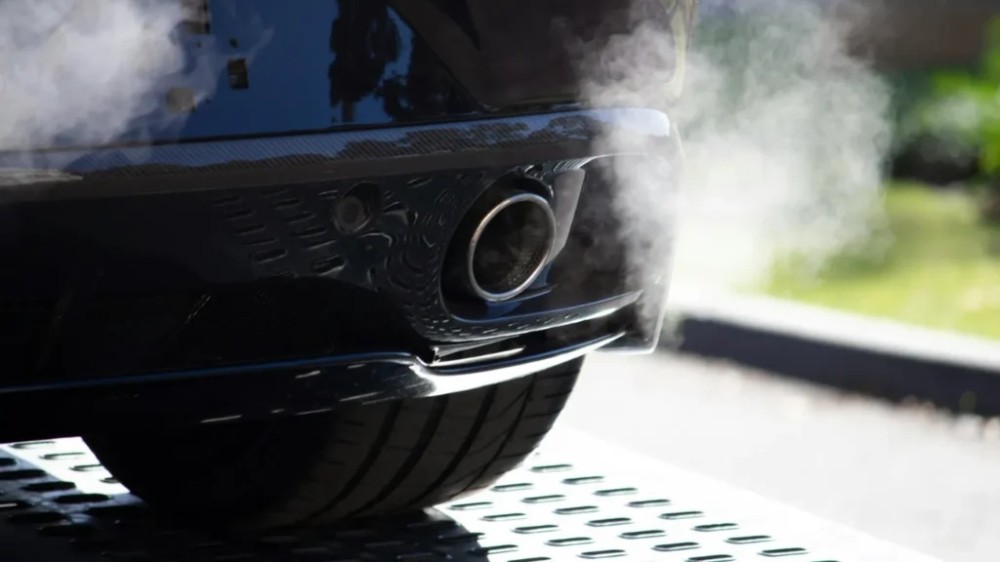
Because once people hear “MPG dropped after 2020,” they naturally assume automakers got worse at building efficient cars. In reality, part of what changed was the test chemistry underneath the number. The EPA updated the fuel standard to reflect modern gasoline more accurately, and the MPG readings moved with it.
That is a very different story.
So if you are comparing fuel economy across years and wondering why some numbers do not line up as neatly as you expected, this is one of the reasons. The cars changed, sure. But the fuel standard changed too. And once the test started looking more like the gas people actually pump into their cars, the results stopped being quite so generous.
Not better for bragging. Just better for truth.