This Huge Luxury SUV Loses $52,000 in Five Years, Which Is Great News If You’re the Second Owner
by AutoExpert | 3 July, 2026
New luxury SUVs have a real talent for making wealthy people feel good and second owners feel smarter.
That is especially true when depreciation gets violent.
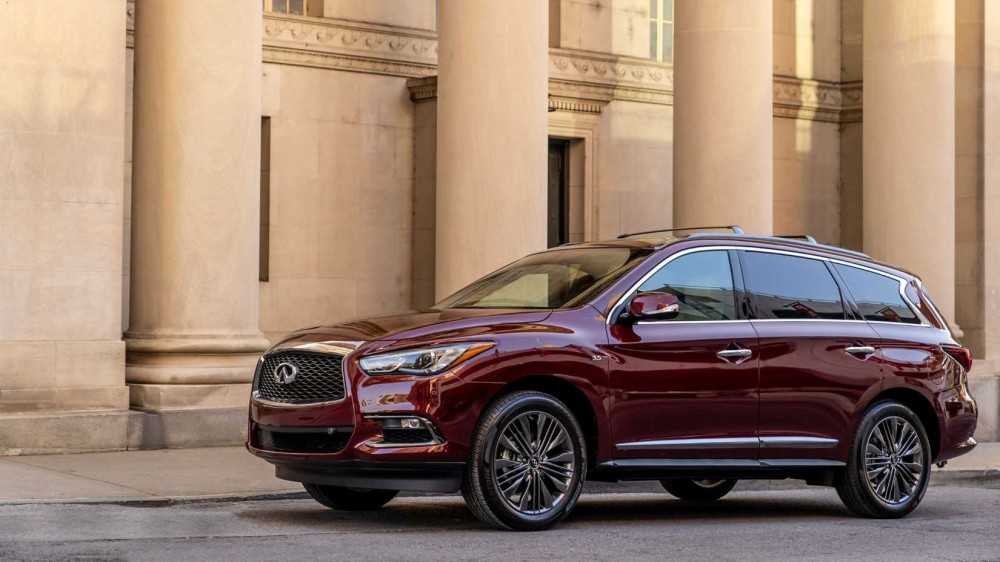
Because there are cars that lose value steadily, and then there are cars that seem to fall off a cliff the second the first owner finishes admiring them in the driveway. The Infiniti QX80 is very much in that second group. Over five years, it drops an astonishing amount of money, which is exactly the kind of thing that makes a used-car shopper start paying attention.
Not because anyone enjoys watching a $70,000-plus SUV get financially mauled.
But because if somebody else already absorbed the pain, you may be able to walk in later and grab a lot of vehicle for way less than the original buyer ever expected.
That is the whole appeal here.
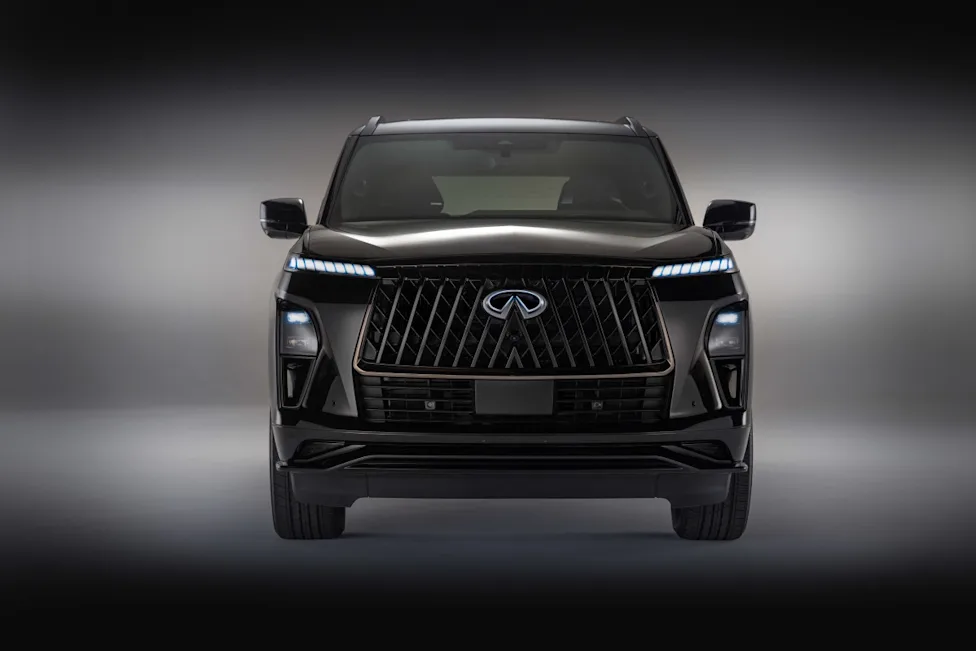
The Infiniti QX80 is not a subtle thing. It is big, thirsty, old-school in some ways, unapologetically body-on-frame in spirit, and powered by a V8 in a market that keeps trying to convince people they should be excited about smaller turbo engines and moral restraint. New, that kind of vehicle can feel hard to justify. Used, after the market has slapped fifty-grand-plus off the top, it starts getting a lot more interesting.
That is when depreciation stops being a tragedy and starts becoming an opportunity.
And the QX80 is not alone in this broader story. One of the clearer patterns in the used market right now is that some of the biggest bargains live in the cars people were too scared, too practical, or too financially responsible to buy new. Big luxury SUVs, expensive EVs, high-end sedans, all of them can become weirdly tempting after five years because the first owner took the financial hit so you do not have to.
That does not make all of them good ideas, obviously.
This is where people get into trouble. They see a giant discount and start acting like every expensive car becomes a bargain just because the price dropped hard enough. That is not how this works. A cheap used luxury vehicle can still be a very expensive thing to own. Depreciation does not erase maintenance, fuel, insurance, or the little surprise repairs that premium vehicles love springing on people right after the warranty is a distant memory.
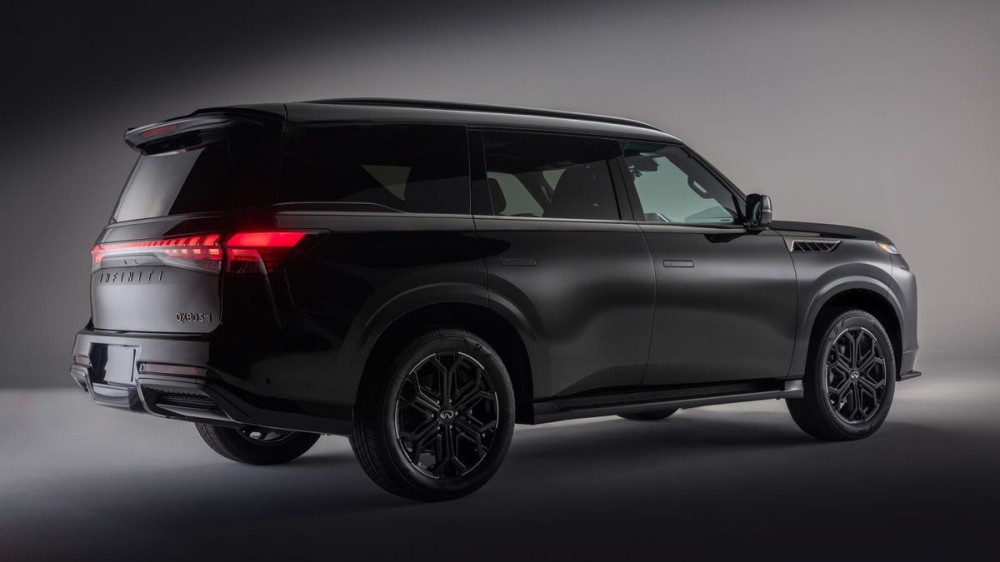
That is why the QX80 is such an interesting case.
Because for something this large, this plush, and this thirsty, it is not actually as terrifying to maintain as some of the other fast-depreciating luxury machines people get seduced by. That matters. A used bargain is only really a bargain if the ownership experience does not immediately start clawing the savings back.
And that is the difference between a good used buy and a beautiful financial trap.
The QX80, at least on paper, makes a more believable case than some of its fellow depreciation champions. A Range Rover may lose even more money, but then you have to actually own a used Range Rover. That is a much less relaxing sentence than it sounds. A big BMW sedan may also fall hard, but now you are signing up for German luxury-car aging, which is not for the faint of heart or the lightly funded. The QX80 has its own issues, sure, but it is still working from a somewhat simpler, more truckish template than some of those alternatives.
That gives it a different kind of appeal.
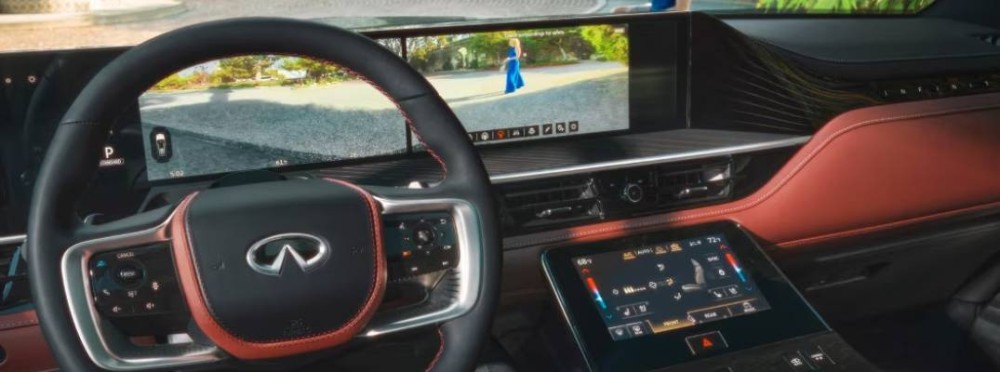
It is a lot of SUV. A lot of space. A lot of comfort. A lot of presence. And if you buy it after somebody else has already taken the brutal depreciation hit, it starts looking less like an extravagant mistake and more like a slightly ridiculous but defensible used-car move.
Slightly ridiculous is sometimes the sweet spot.
Of course, none of this means you should go out and buy the cheapest QX80 you can find and start congratulating yourself before the test drive is over. That is how people end up owning stories instead of cars. A heavily depreciated luxury SUV still needs the same adult questions asked of it as anything else. How was it maintained? What kind of life did it live? Does the service history make sense? Is the suspension tired? Has the interior aged well? Are you ready for the fuel bill, or are you still pretending a giant V8 SUV will somehow sip politely?
Because the fuel bill is the part people like to blur out in their imagination.
The QX80 is not cheap to feed. It was never going to be. That is part of the deal. If you want a huge, plush SUV with a V8 and the road presence of a suburban power move, you pay for it at the pump. The question is whether that tradeoff still feels acceptable once the purchase price drops low enough to make the whole thing tempting.
For a lot of buyers, the answer may actually be yes.
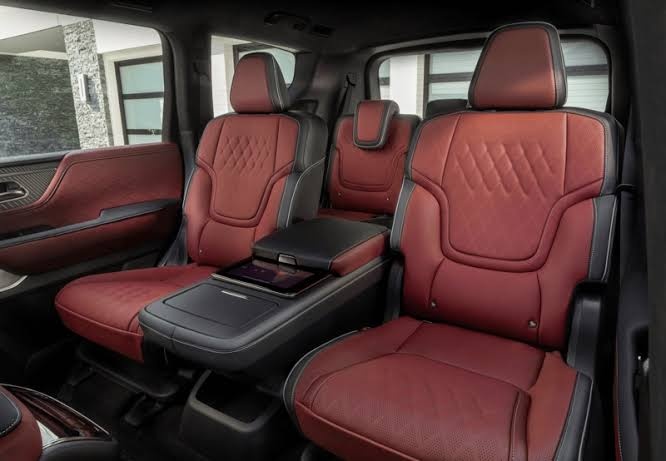
That is the funny thing about depreciation. It does not just make expensive cars cheaper. It changes who they make sense for. A vehicle that was hard to defend at full retail can suddenly become pretty compelling once it costs half as much and still has plenty of useful life left. That is why the five-year mark matters so much. It is often the point where the initial glamour tax has already been paid by somebody else, but the vehicle is not yet old enough to feel completely used up.
That is where the smart used buys tend to live.
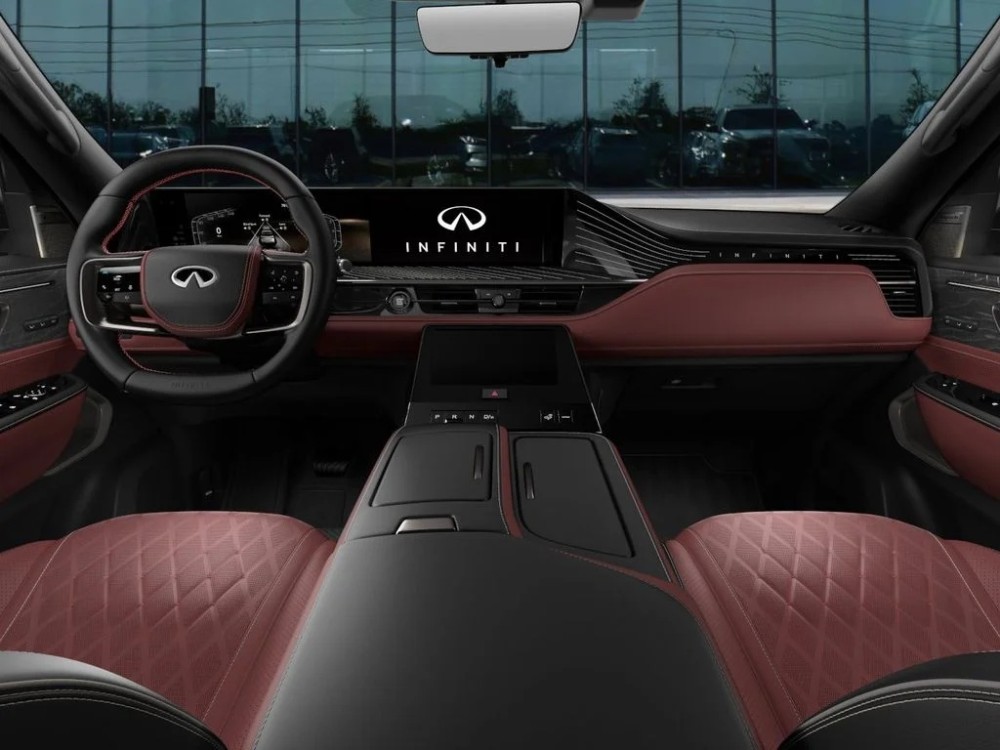
The QX80 fits that pattern perfectly. It loses money like it is trying to set an example, which is bad news if you bought it new and excellent news if you are patient enough to show up later. It will still cost money to own. It will still drink more fuel than most sensible people want. It is not some secret economy hack. But if what you want is a huge luxury SUV and you have the discipline to let somebody else take the first five years of financial damage, it becomes the kind of used bargain that is actually worth talking about.
That is the trick with depreciation.
You do not celebrate it when you are the first owner.
You celebrate it when you are not.