Exploring Hybrid Technologies: Parallel vs. Power-Split Hybrids
by AutoExpert | 10 April, 2025
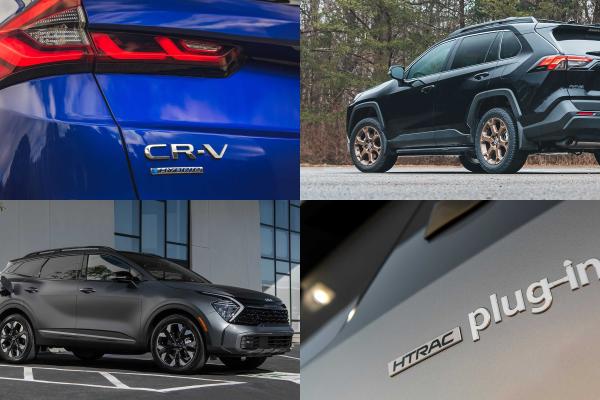
Hybrid sales are through the roof lately. Toyota moved a million electrified vehicles last year, Honda's hybrids made up a quarter of their sales, and Hyundai's hybrid SUVs are flying off lots.
These gas-electric combos deliver amazing real-world fuel economy, but they don't all work the same way. There's actually five different flavors of hybrid tech out there, though people often mix up the terminology.
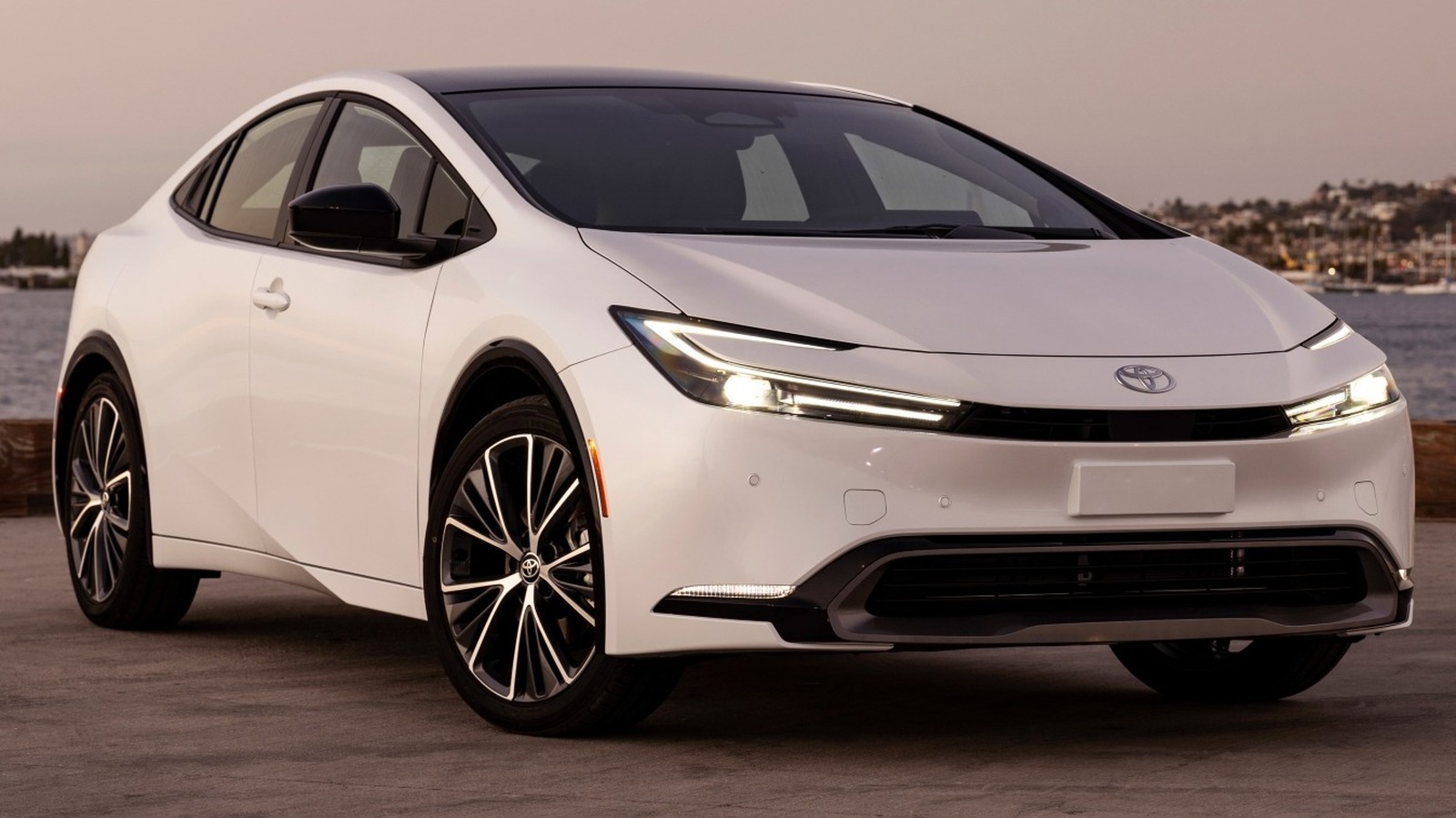
Let's focus on two of the most common systems: parallel hybrids (like the Hyundai Santa Fe) and power-split hybrids (like the Toyota Prius).
Parallel Hybrid: The Sandwich Approach
In Hyundai's setup, they basically sandwich a 44-kilowatt electric motor between the gas engine and the six-speed transmission. A clutch lets the engine and motor work together or independently.
The tiny 1.5-kWh battery gets charged through regenerative braking, and that juice helps the car get moving smoothly while improving fuel economy. The whole system is incredibly compact - the motor and clutch together take up just 40 millimeters of space!

Power-Split Hybrid: The Planetary Magic
Toyota, Honda and Ford prefer a different approach using something called a planetary gearset. This clever arrangement has three different gears (sun, planet and ring) that blend power from both the engine and electric motors.
Instead of fixed gear ratios like in a normal transmission, this setup can constantly optimize the engine speed for maximum efficiency - essentially working as an electronic continuously variable transmission (e-CVT).
Many power-split hybrids also use a third motor on the rear axle for all-wheel drive without needing a mechanical driveshaft.

Which Is Better?
The power-split system squeezes out slightly better city mileage (the RAV4 Hybrid gets 41 mpg in town versus about 35 for the Tucson Hybrid), but overall efficiency is pretty similar between the two approaches.

With EVs taking longer to go mainstream than expected, these hybrid systems are only getting more sophisticated - good news for anyone wanting to save money at the pump without going fully electric just yet.