That Light on Your Dashboard Is Not Being Dramatic. It Wants Your Attention.
by AutoExpert | 16 April, 2026
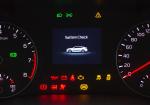
Most people have a very specific relationship with dashboard lights. They notice one, feel mildly attacked by it, hope it is nothing, and then keep driving until the car forces the conversation.
It is such a normal reaction that it barely even feels irresponsible anymore.
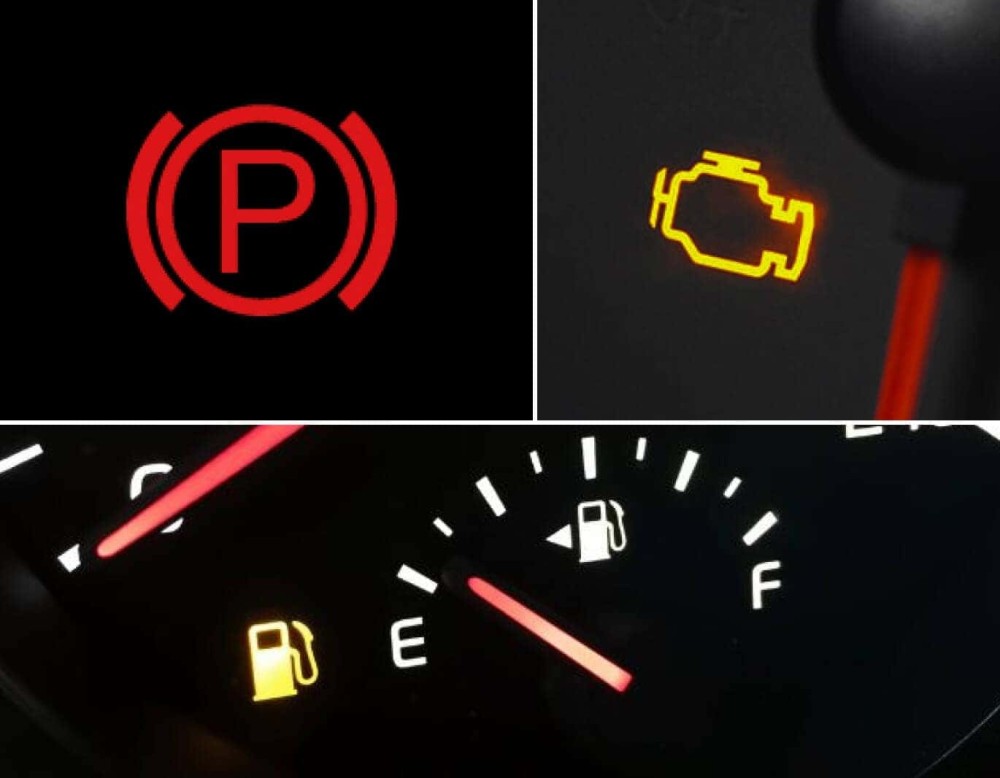
The problem is that cars are usually trying to warn people early, when the fix is still annoying instead of expensive. That little light is often the difference between “handle this soon” and “why is this repair bill suddenly ruining my week?”
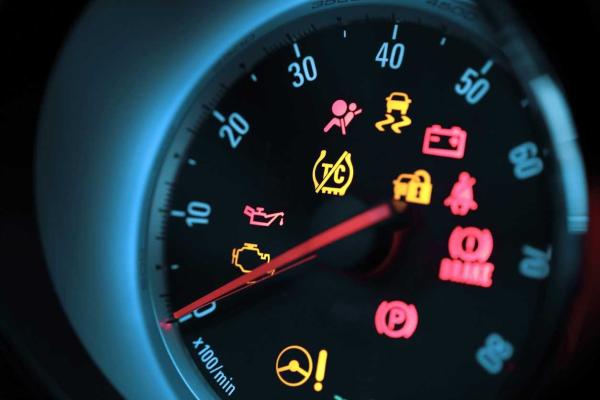
The easiest thing to know is the color rule, because that already tells you a lot. Green or blue usually means the car is just letting you know something is switched on. Fine. No drama. Yellow or amber is the car saying, hey, pay attention to this when you can. Red is different. Red is the car telling you to stop treating this like a suggestion.
And honestly, a lot of people would save themselves real money just by respecting that.
The check engine light is the one that sends people into a weird spiral because it feels so vague. Sometimes it really is something small. A loose gas cap, a sensor acting up, one of those annoying emissions issues that sounds worse than it is. That is why a steady check engine light is often not the end of the world. But if it starts flashing, that is the car getting a lot more serious. That usually means a misfire, and driving around with a flashing check engine light is how people turn a manageable problem into a much more painful one.
The oil pressure light is the one nobody should try to outsmart. If that shows up while you are driving, pull over. Not after the next errand. Not once you get home. Pull over. That light means the engine may not be getting the lubrication it needs, and engines are not patient about that. They do not give people a long grace period to think it over.
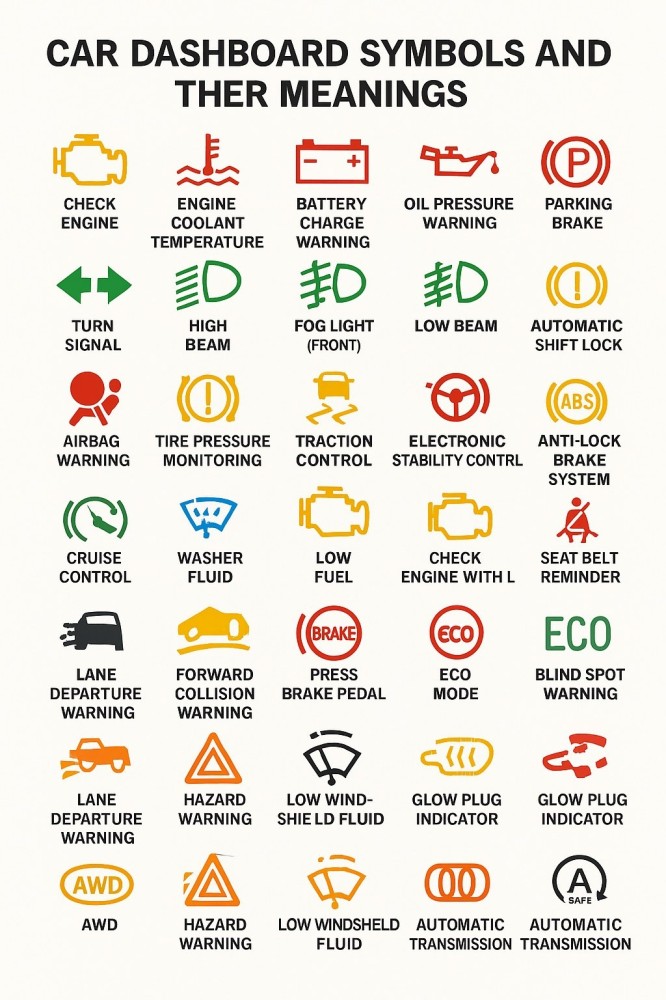
Same story with the temperature warning. If the car is overheating, it is not having a little moment. It is telling you something is wrong right now. Keep driving a hot engine and the damage gets expensive fast. This is one of those situations where optimism is not a strategy.
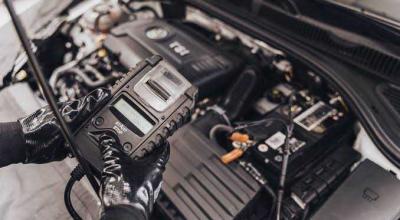
The battery light gets misunderstood all the time too. People see it and assume the battery itself is bad, but more often it means the charging system is failing. Usually the alternator. Which means the car may keep going for a bit, right up until it suddenly does not. It is the kind of light that can fool people into thinking they have more time than they really do.
Then there is the tire pressure light, which is probably the most disrespected light on the whole dashboard. People ignore it for days like it is a spam notification. Meanwhile the tires are underinflated, the car is handling worse, the fuel economy is getting worse, and the tires are wearing unevenly for no good reason. It is such an easy fix that ignoring it almost feels personal.
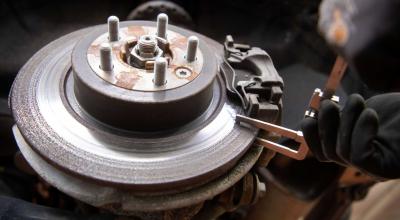
The ABS light is another one that does not always feel urgent until someone actually needs that system. The brakes usually still work, which is why people put it off. But the anti-lock part may not. And that is the part people tend to appreciate when the road is wet, cold, or suddenly chaotic.
And if the airbag light comes on, that deserves respect too. Nobody plans to need an airbag. That is exactly why it matters if the system is telling you something may be wrong.
That is really the whole thing with dashboard lights. They are not there to make the interior look festive. They are not random. And most of the time, they are not even asking you to panic. They are just asking you not to ignore the car until it gets expensive.
Cars almost always whisper before they scream. The people who save money are usually the ones who stop pretending they did not hear the whisper.