Those Nearly New Tires May Be Much Older Than They Look
by AutoExpert | 14 July, 2026
A tire can look almost offensively healthy for its age. The tread grooves are deep. There are no nails in sight. The sidewalls still turn glossy after a wash, and the car has covered so few miles that replacing anything feels wasteful. Then the four-digit date code reveals that the tire was manufactured when a completely different phone was living in the owner’s pocket.
Tires are usually judged by how much tread they have left. That makes sense on a daily-driven car, where the rubber tends to wear away long before age becomes the main concern. But collector cars, weekend convertibles, RVs, trailers, and lightly used second cars live by different rules. Their tires may not wear out. They simply grow old.
Four small numbers tell the story
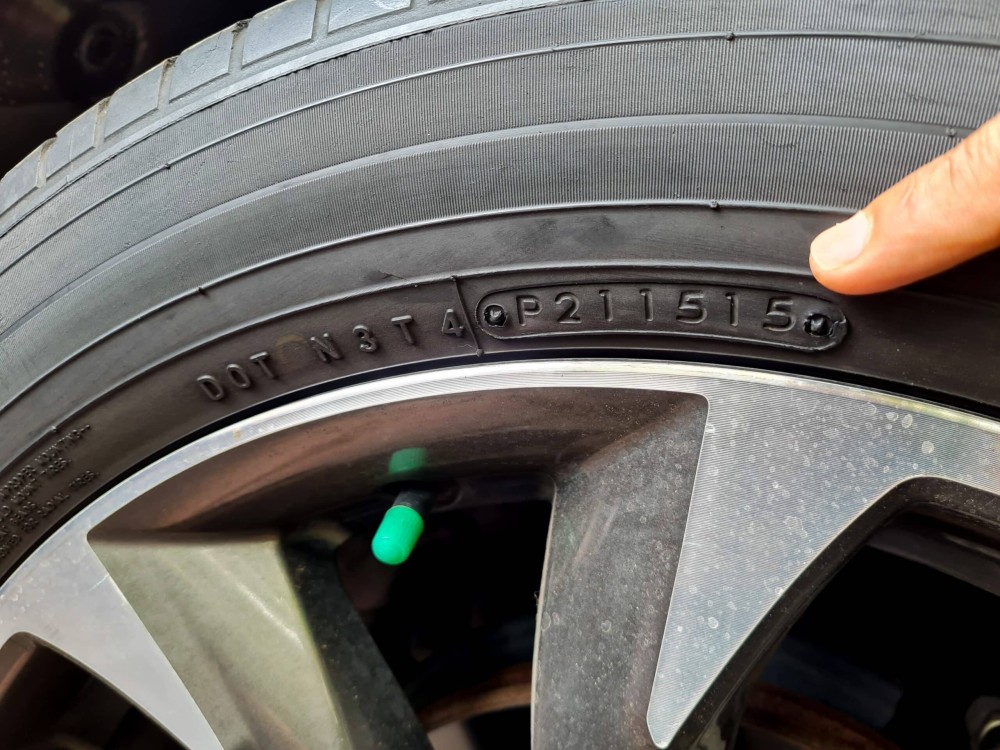
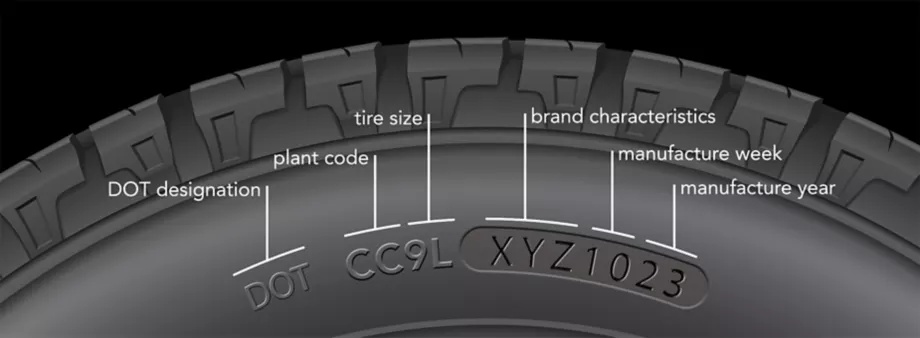
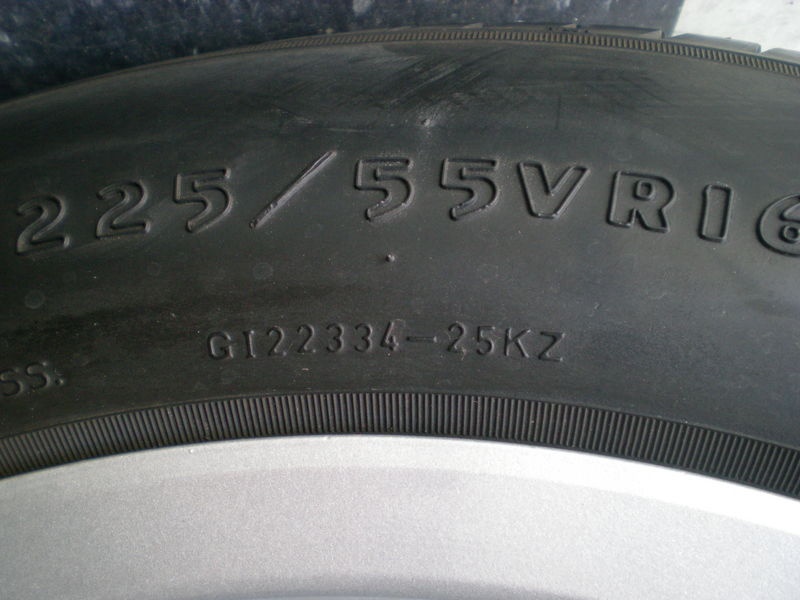
Every tire sold for road use in the United States carries a DOT Tire Identification Number on its sidewall. Most of that long string of letters and numbers means very little to the average driver. The last four digits are different.
They reveal when the tire was made.
A code ending in 2322 means the tire left the factory during the 23rd week of 2022. A tire marked 4819 was produced in the 48th week of 2019.
The date is not always conveniently facing outward. The full identification number may appear on only one side of the tire, which means the useful four digits could be hiding on the inner sidewall. A flashlight and a phone camera are often easier than trying to wedge a head behind the wheel.
If the date uses only three digits, the tire was manufactured before 2000. At that age, decoding the exact decade is mostly academic. It does not belong in normal road service.
NHTSA explains the date-code system in its TireWise guidance, but the code itself is refreshingly simple once someone knows where to look. The difficult part is remembering to look at all.
Low mileage does not freeze time
Rubber changes with age even when the vehicle is parked.
Heat, oxygen, sunlight, moisture, storage conditions, and repeated temperature changes all affect the materials inside a tire. Over time, the rubber can become less flexible and the internal structure more vulnerable to failure.
A garage helps. Proper inflation helps. Keeping the tires away from strong sunlight and extreme temperatures helps. None of it stops aging completely.
This is why an older enthusiast car can present such a convincing illusion. It may have spent years tucked away indoors, emerging only for the occasional Sunday drive. Its tires have plenty of tread because they have barely touched the road.
That does not make them young.
The same concern appears on motorhomes and trailers. They can sit for months carrying substantial weight in exactly the same position, often outdoors. When travel season arrives, those old tires are suddenly expected to handle heat, speed, and a heavy load for hours at a time.
The amount of visible tread says very little about whether they are ready for that job.
There is no magic birthday
Tires do not become unsafe at precisely six years and one day. There is no universal expiration date that applies to every brand, vehicle, climate, and pattern of use.
Some vehicle and tire manufacturers recommend replacement somewhere between six and ten years, regardless of tread depth. Others call for regular professional inspections once the tires reach a certain age.
NHTSA advises following the recommendations from both the vehicle manufacturer and tire maker. That matters because the two may not give identical guidance, and the vehicle manufacturer may take the car’s weight, speed capability, and intended use into account.
Age is only one part of the decision. A relatively young tire may need immediate replacement if it has a bulge, deep cracking, exposed cords, impact damage, or a history of running with too little air. An older tire should not automatically be declared safe because its sidewalls look clean.
Rubber does not always age in a photogenic way.
Used cars can have four different birthdays
Tire age is especially worth checking when buying a used car.
A seller may honestly describe the tires as having excellent tread. They may look excellent too. Neither tells when they were manufactured.
Check all four date codes, not just the easiest one to read. Cars often end up with tires from different years after punctures, curb damage, or pair-by-pair replacement. A nearly new front set can distract from a much older pair at the rear.
Different dates are not automatically a problem. Tires do not need to come from the same production week. But a large gap deserves attention, particularly if one pair is approaching the age at which its manufacturer recommends replacement.
The tire models should match as well. Four black circles can conceal a surprising mixture of touring, performance, all-season, and budget tires. Different tread patterns and grip levels can affect how the car behaves, especially in rain.
On an all-wheel-drive vehicle, mismatched tread depth can create an additional concern because the tires may have slightly different rolling diameters. That is a question for the owner’s manual, not guesswork in the dealership parking lot.
Do not forget the spare
The oldest tire on a car is often the one that has never covered a mile.
A full-size spare can sit beneath the trunk floor for a decade or more, looking factory fresh whenever it is finally uncovered. An SUV spare mounted under the body may spend those same years being sprayed with rainwater, road salt, and dirt.
Temporary spare tires age too. So do the rubber valve stems and the metal components holding an underbody spare in place.
Check the spare’s date, condition, and pressure while the car is safely parked at home. Make sure the retaining mechanism actually releases and that the jack and tools are still present.
A flat tire is already an inconvenience. Lowering a 12-year-old spare that contains 14 psi and is welded into its carrier by corrosion adds an unnecessary second act.
What an aging tire may be trying to say
Visible cracking is the warning sign most people expect, but it is not the only one.
A tire that repeatedly loses pressure, develops an unexplained vibration, becomes noisier, or shows distortion should be inspected. Bulges, cuts, exposed material, or sections of tread beginning to separate require immediate attention.
The inner sidewall matters just as much as the outer one, although it is far less likely to receive admiring glances in a driveway.
A professional inspection becomes increasingly worthwhile as tires age because not every problem is obvious from outside. Tire Rack’s guide can help establish the tire’s age, but a date code cannot reveal every mile, impact, repair, or period of underinflation in its history.
Tread depth is only half the conversation
Deep tread is good. It means the tire still has the grooves needed to move water and maintain grip.
It does not erase the calendar.
Before buying a used car, check the DOT codes. Check them on the weekend car that seems to preserve tires forever. Check the RV before a long summer trip, and check the forgotten spare hiding under the trunk floor.
A tire can be unworn, spotless, and still ready for retirement.