Your Next Car Might Change After You Buy It. Not Everyone Loves That.
by AutoExpert | 22 April, 2026
There was a time when buying a car was simple in one very specific way. What you drove off the lot was what you had. No surprises later. No upgrades showing up out of nowhere. No features quietly changing six months in.
That version of car ownership is fading.
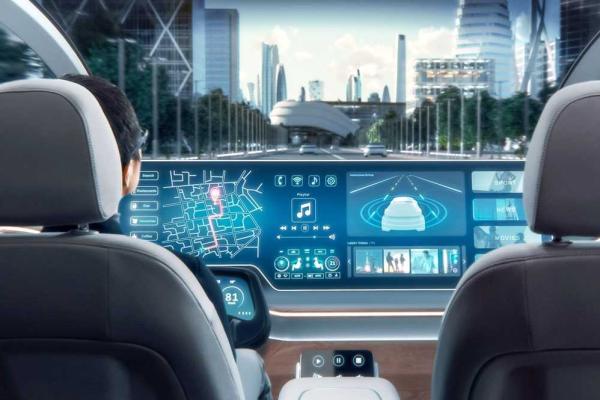
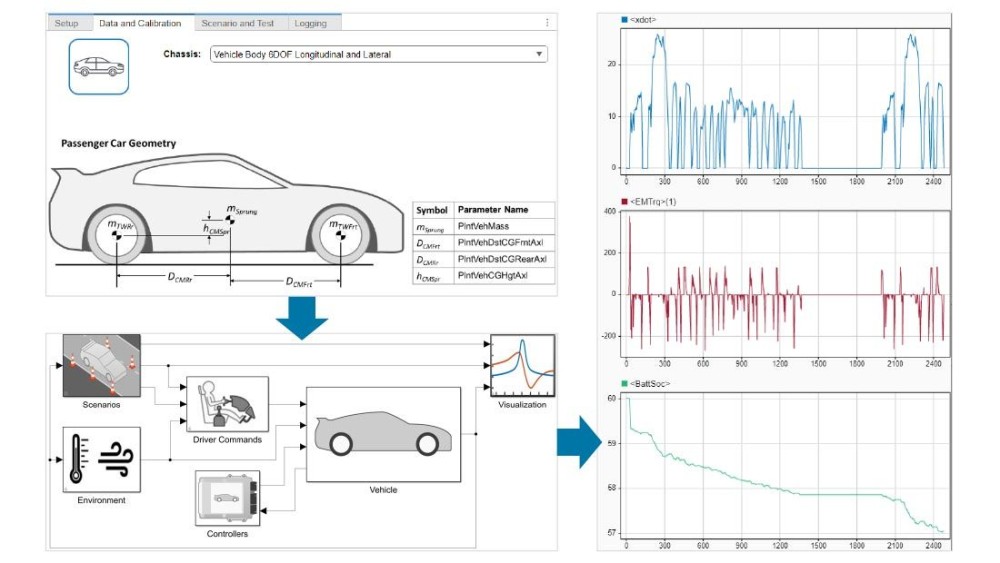
Cars are turning into something closer to phones on wheels. Not in a gimmicky way, but in how they behave over time. Software now controls a huge chunk of what a car actually does, and that means it can be updated, tweaked, or expanded long after you’ve paid for it.
Some of that is genuinely great.
Updates can smooth out little annoyances, improve how the car drives, or even add things that were not there before. Better range on an EV. Sharper throttle response. New driver-assistance features. Stuff that used to require buying a whole new car can now show up overnight while the car is parked.
That is a pretty big shift if you think about it. Cars used to age in one direction. Now, in some ways, they can get better.
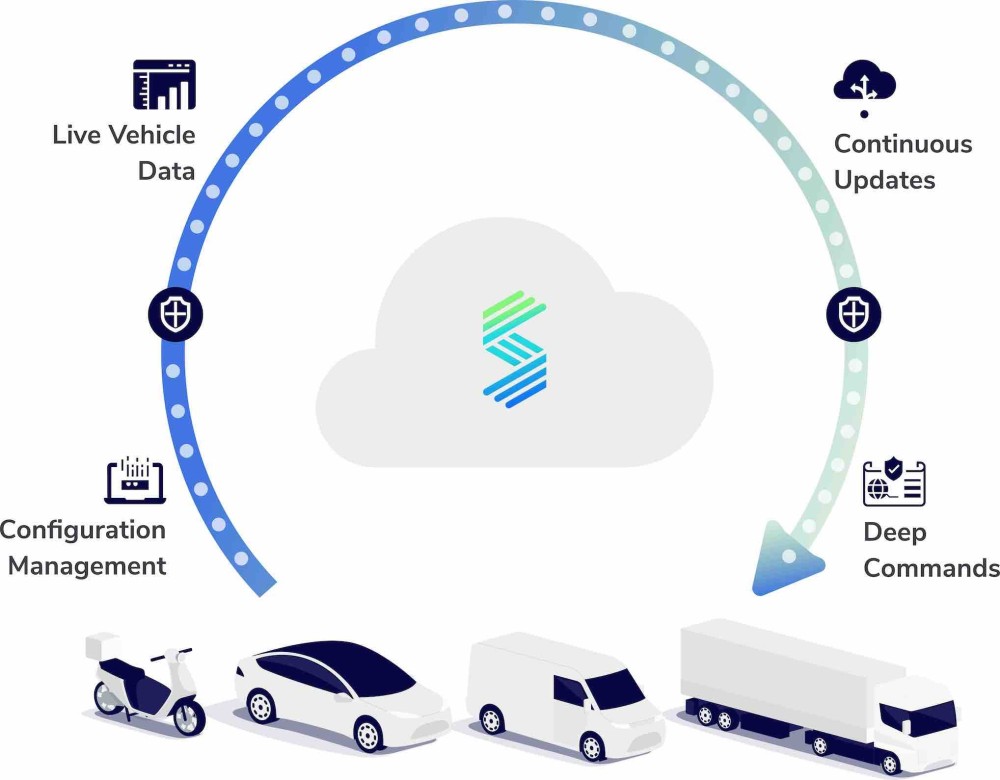
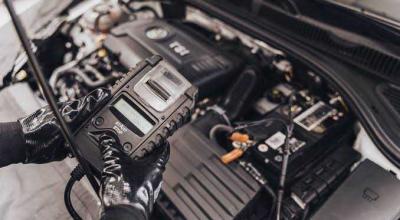
They are also getting smarter about warning you before things go wrong. A lot of newer vehicles are already watching themselves constantly, picking up patterns that suggest something is wearing out. Instead of finding out your battery or alternator failed when you are stuck somewhere inconvenient, the car can give you a heads-up before it turns into a problem. It is not perfect, but it is a lot better than guessing.
But this is also where things start getting a little… uncomfortable.
Because once a car is controlled by software, it becomes very easy to turn features on and off. Not physically. Remotely. Which is how we ended up in that weird moment where some companies tried charging people monthly fees to use things their cars already had installed.
That did not go over well.
And it raised a fair question people are still trying to figure out: when you buy a car, what exactly are you buying? The hardware? The experience? Temporary access to certain features?
Different brands are answering that in different ways, and it is something worth paying attention to before signing anything. Two cars that look identical on paper can come with very different rules about what is included long term and what might quietly become a subscription later.
The bigger picture here is simple, even if it feels a bit strange.
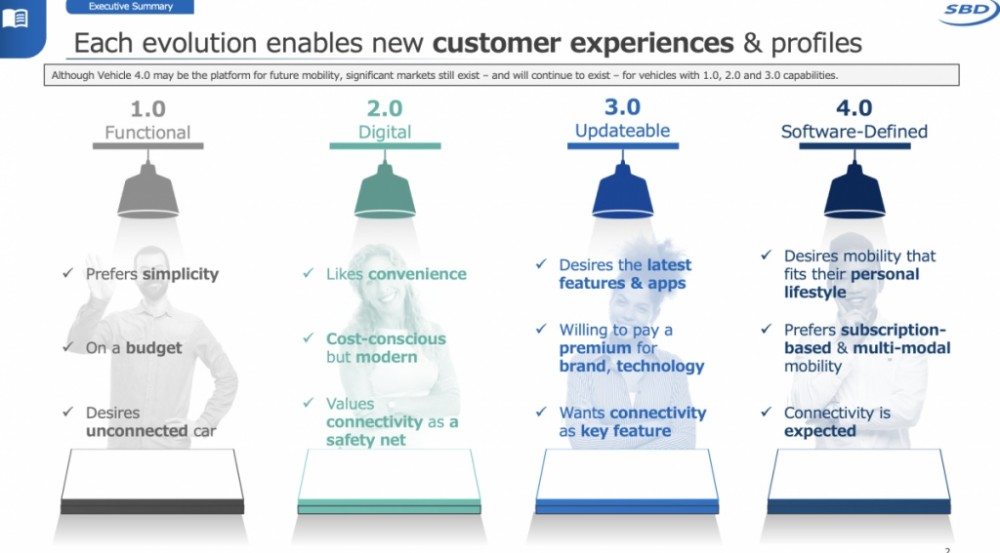
Cars are no longer finished products. They are evolving ones.
That can work in your favor. It can also catch you off guard if you assume everything works the way it used to. Either way, the shift is happening whether people like it or not.
So when you look at your next car, horsepower and fuel economy still matter. But now there is another question that matters just as much.
What kind of software is this thing running, and what will it let me do a year from now?