Europe Is Quietly Falling in Love With Chinese Cars
by AutoExpert | 20 May, 2026
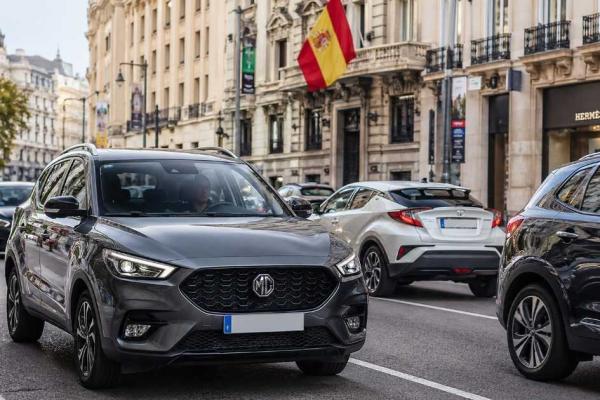
A few years ago, most Europeans probably couldn’t name a single Chinese car brand. Now? They’re buying them in huge numbers.
And honestly, the speed of it is what’s shocking everybody.
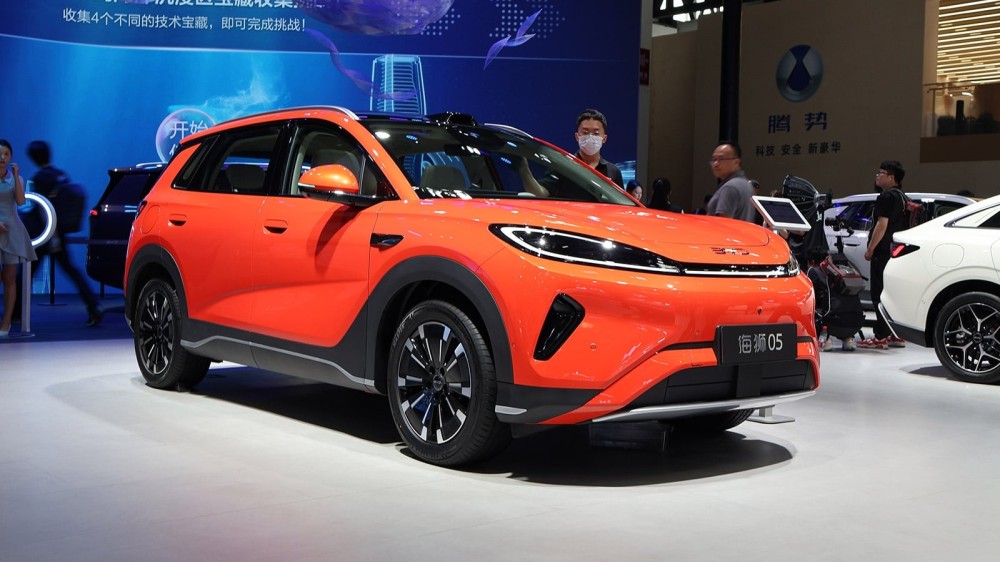
Because this didn’t happen gradually. There wasn’t some slow twenty-year climb where Chinese automakers cautiously earned trust one model at a time. It feels more like they kicked the door open, unloaded a bunch of aggressively tech-heavy SUVs and EVs onto the market, and suddenly traditional automakers realized they had a serious problem.
Right now, roughly one out of every ten new cars sold in Europe comes from a Chinese brand.
That’s not a “future projection” statistic. That’s happening already.
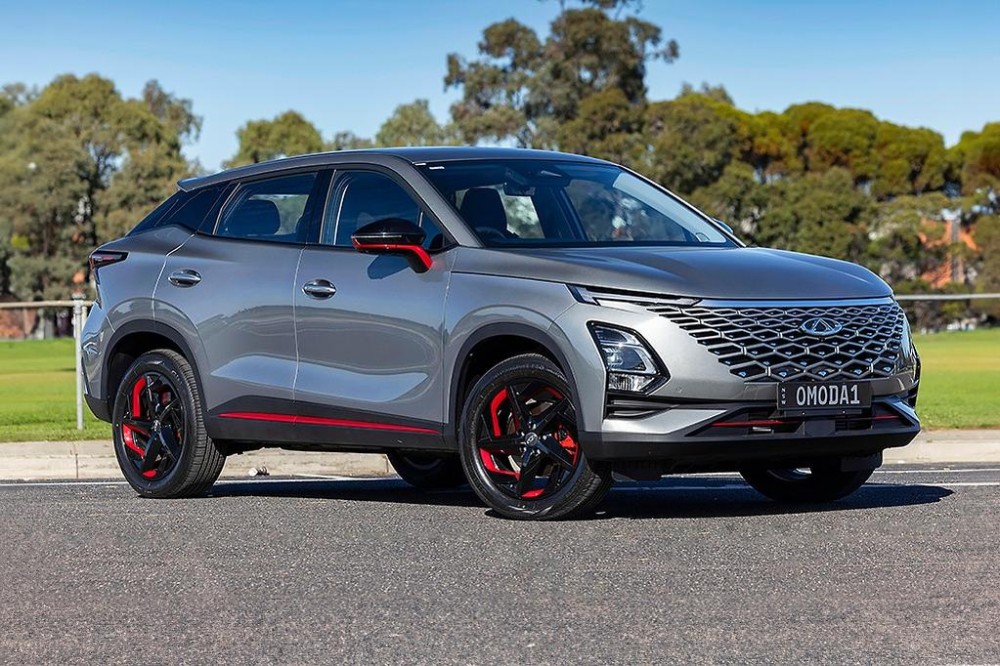
Most Americans still haven’t heard of companies like BYD, Omoda, or Jaecoo, which honestly makes this whole thing even weirder because overseas these brands are growing at a pace that’s starting to genuinely stress companies like Volkswagen and Stellantis.
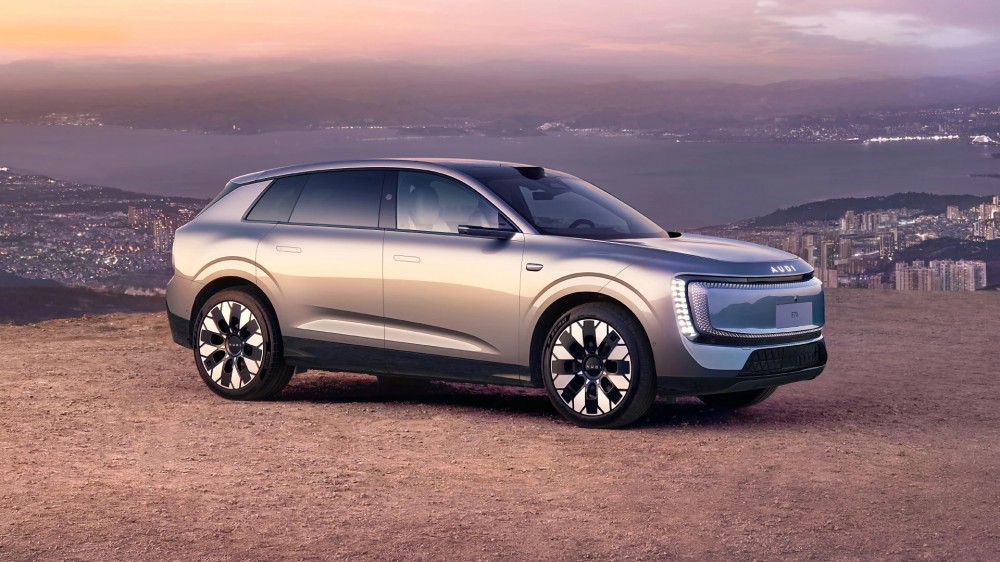
Omoda and Jaecoo alone reportedly crossed one million global sales in just three years.
Three.
That kind of growth used to take legacy automakers decades back when dealerships still had popcorn machines and waiting rooms full of free coffee nobody trusted.
And these brands aren’t surviving by making ultra-cheap disposable cars either. That’s the part people in the West still haven’t fully caught up to mentally.
The old stereotype was “cheap Chinese products.” But modern Chinese cars? Different conversation entirely.
The interiors are packed with screens. The tech is aggressive. Driver-assistance systems, panoramic roofs, giant infotainment displays, premium-looking cabins, hybrid powertrains, long warranties, all bundled into vehicles priced lower than a lot of European competitors can comfortably match.
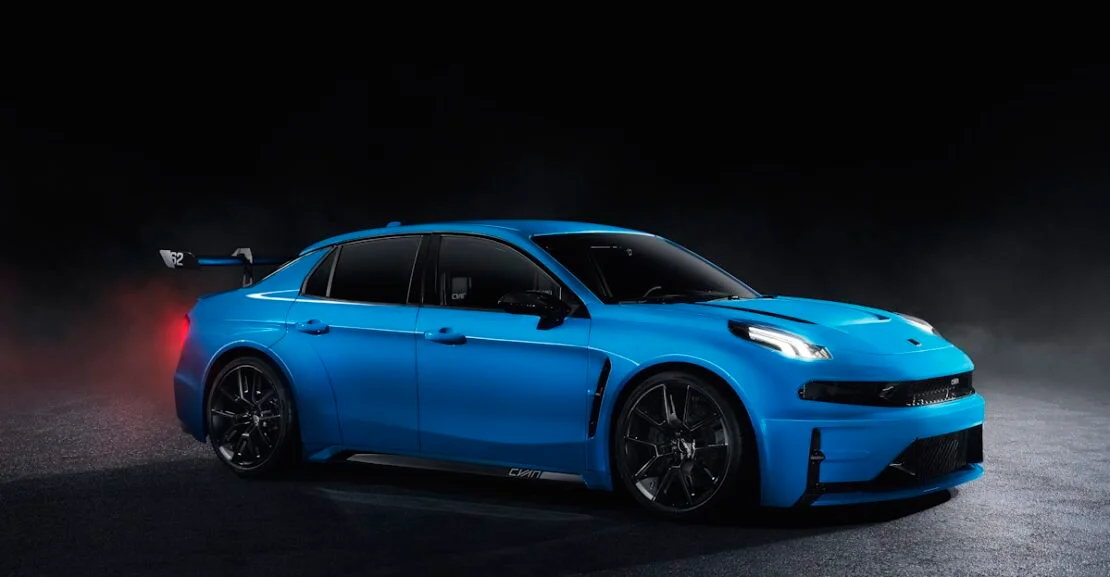
Some reviewers have even pointed out that certain Chinese SUVs feel more advanced than vehicles costing significantly more from established brands.
That’s the nightmare scenario for traditional automakers, by the way.
Because consumers will forgive an unfamiliar badge shockingly fast if the product feels good and saves them money simultaneously.
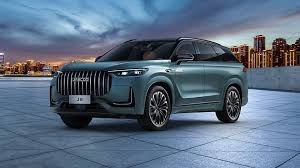
The Omoda 5 has become a solid example of this. Loaded with features people usually expect on higher trims from European brands, but at pricing that undercuts a lot of rivals. Same story with the Jaecoo 7, which suddenly started posting genuinely meaningful sales numbers in places like the UK, Spain, and Italy.
And now they’re building cars inside Europe itself.
That’s the really important part.
Chinese automakers have realized they can avoid some tariff pressure and speed up expansion by manufacturing locally. Omoda and Jaecoo already launched assembly operations in Barcelona. Dealer networks are spreading across Europe ridiculously fast too.
This is no longer a test run.
It’s infrastructure.
And honestly, the whole thing feels weirdly familiar historically.
People said Japanese cars would never seriously compete globally back in the 1970s. Then Toyota and Honda quietly became reliability royalty. Korean brands got mocked for years too before Hyundai and Kia completely transformed their reputations.
Now Chinese brands are entering their own version of that cycle.
Which raises the obvious question: what happens when they eventually push harder into the American market?
Right now tariffs and political tensions make that difficult, but markets change fast. And if these companies keep improving quality while scaling globally at this speed, it’s hard to imagine they stay locked out forever.
By the time most American buyers recognize these names, Europe may already be years ahead in figuring out whether these brands are the future or just a temporary disruption.
But either way, pretending they aren’t real competitors anymore feels increasingly disconnected from reality.
Because they already stopped being a joke.
Now they’re becoming a threat.