That “Affordable” New Car Might Cost Thousands More By Summer
by AutoExpert | 17 May, 2026
A lot of people are about to walk into dealerships this summer and have a very uncomfortable conversation.
Because the cheap-ish new car they were looking at in March? Yeah. It may suddenly cost four, five, even six grand more, and the salesperson is going to act like this was inevitable all along.

The reason is car tariffs. And while the phrase sounds like something buried deep inside a cable news argument nobody fully understands, the real-world effect is pretty simple: cars are getting more expensive. Fast.
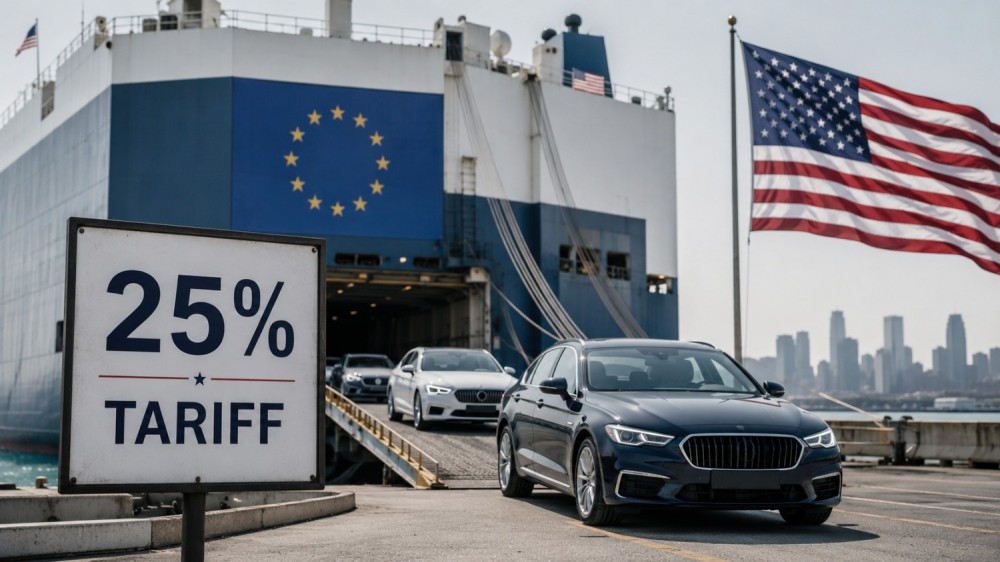
Right now there’s a 25% tariff hitting imported vehicles and many foreign-made parts. And even though prices have already crept upward, what we’re seeing today is apparently the “soft” version of the impact.
Automakers have been quietly absorbing a lot of the extra cost themselves because they know buyers are already stretched thin. Monthly payments are ridiculous. Interest rates still sting. Insurance prices look like somebody accidentally added an extra digit. The last thing manufacturers wanted was another giant price spike slapped on the windshield.
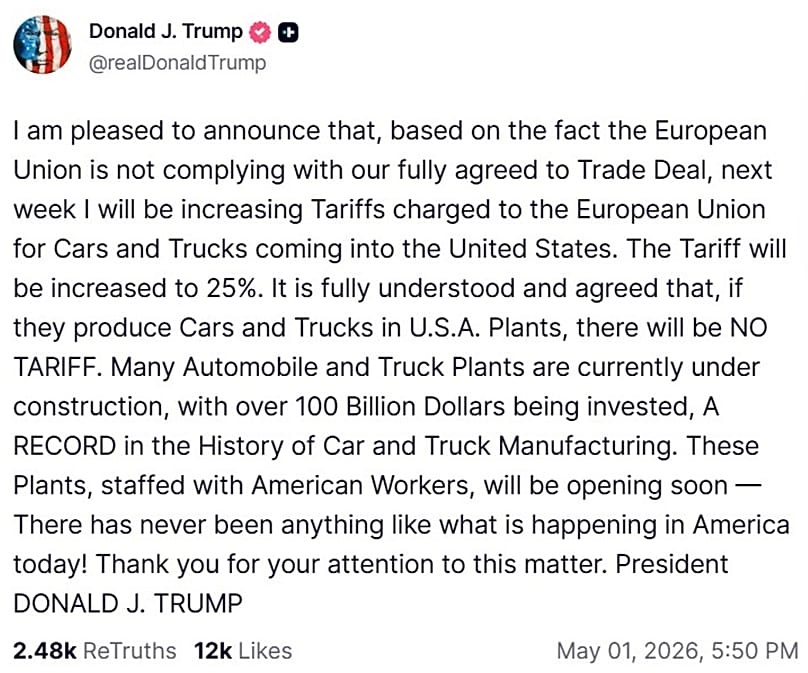
But companies can only eat losses for so long before shareholders start throwing chairs.
Toyota’s profits already took a serious hit recently, and industry analysts keep warning that the real increases haven’t even landed yet. A lot of the inventory currently sitting on dealer lots was built before the full tariff pressure kicked in. Once that inventory disappears and newer shipments arrive? That’s when things get spicy.
And here’s the part people misunderstand: this doesn’t only affect “foreign cars.”
A truck assembled in Texas might still use electronics from Korea, transmission parts from Japan, wiring from Mexico, batteries from China. Modern cars are basically international group projects with cupholders. So even vehicles wearing giant American flags in commercials aren’t immune from rising costs.
Budget cars are getting squeezed especially hard.
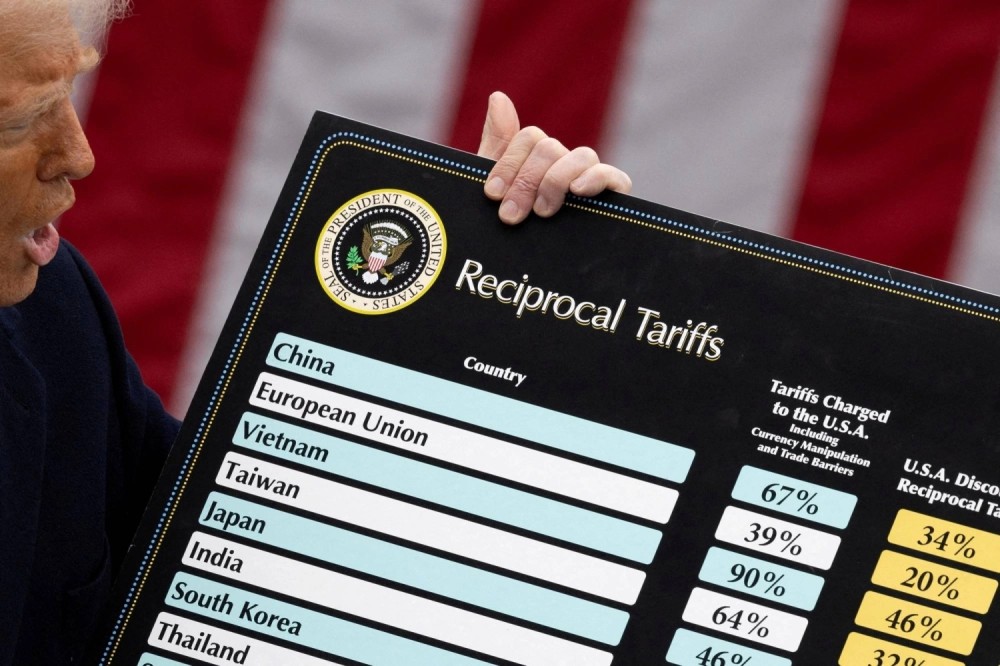
Luxury automakers have more room to hide price hikes because somebody already spending $78,000 on an SUV probably won’t walk away over another two grand. But affordable cars? Different story entirely. Add $4,000 to a $30,000 vehicle and suddenly that monthly payment jumps into territory people genuinely can’t justify anymore.
Which is honestly frustrating, because the buyers getting hit hardest are usually the ones already trying to be careful with money.
What’s interesting is how shoppers are reacting.
A lot of people are suddenly paying attention to certified pre-owned cars again. And it makes sense. A two-year-old vehicle with low miles and a factory warranty starts looking very attractive when the brand-new version sitting next to it costs thousands more because of trade policy chess matches happening halfway across the world.
Others are rushing to buy inventory already sitting on lots before prices adjust upward. Dealers won’t exactly advertise which vehicles were built pre-tariff versus post-tariff, but buyers are definitely trying to sneak in before the next wave arrives.
And honestly? I kinda get the urgency.
Because once automakers officially raise MSRPs, those prices rarely drift back down gracefully. Car pricing has this annoying habit where temporary increases somehow become permanent reality. Funny how that works.
The weirdest part is that nobody really knows how long this situation lasts. Maybe trade negotiations cool things off later this year. Maybe tariffs stay around for years and the market permanently resets upward. Right now even industry insiders sound uncertain, which usually means consumers should probably pay attention.
If you already know you’ll need a car within the next year or so, waiting might not save money this time around. It could do the exact opposite.
And there’s a decent chance people will look back at spring 2026 prices the same way people now look back at pre-pandemic car prices: with disbelief and mild emotional damage.