That Little Dashboard Light Could Be Warning You About a $5,000 Problem
by AutoExpert | 21 May, 2026
Nothing spikes your stress level faster than a random warning light appearing out of nowhere while you're driving.
You’re halfway onto the highway, coffee in one hand, mentally late for three different things, and suddenly some tiny glowing symbol lights up on the dashboard like your car just developed emotions overnight.
Most people react one of two ways.
Panic immediately.
Or ignore it for six months and hope the car sorts out its own problems like an adult.
Neither strategy is especially great.
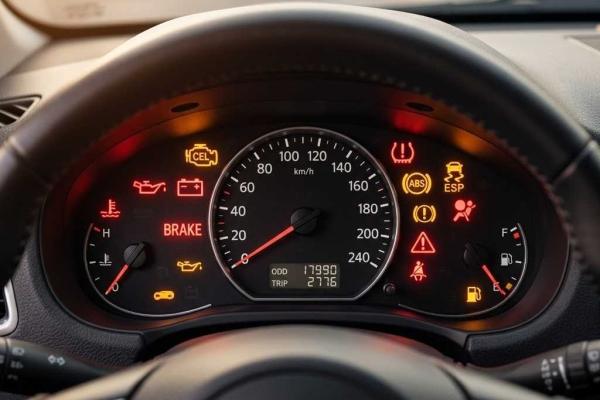
The thing is, modern cars are constantly monitoring themselves. Your engine, brakes, transmission, battery, emissions system, tire pressure, cooling system, all of it. Those dashboard warning lights are basically your car sending text messages, except instead of “hey quick heads up,” it communicates through cryptic glowing hieroglyphics nobody remembers from driver’s ed.
But there’s actually a simple system behind all of it.
And once you know the colors, everything gets way less intimidating.
Red lights are the serious ones. Think stop-sign energy. Pull over soon. Something important is either failing or already failed. Ignore a red warning light long enough and you can go from “minor inconvenience” to “well... guess I need a new engine now.”
Yellow or amber means the car is annoyed, not dying. You can usually keep driving for a while, but it needs attention reasonably soon. This is the category most people abuse. They see amber lights and mentally file them under Future Me’s Problem until Future Me ends up spending three times more fixing it.
Green and blue lights are harmless informational stuff. High beams. Cruise control. Turn signals. Your car’s basically just narrating what it’s doing.
Now, some warning lights deserve immediate respect.
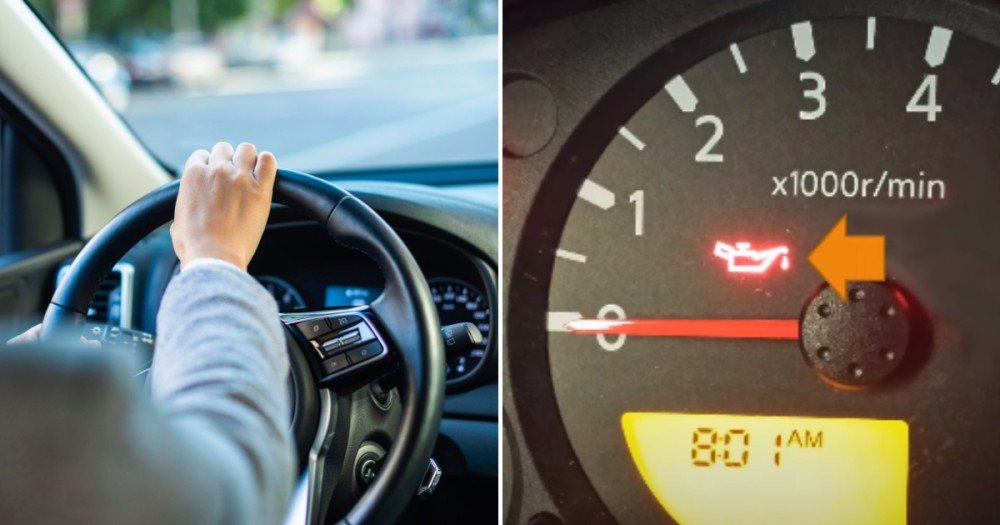
The oil pressure light? That little genie-lamp-looking symbol? Bad news.
People confuse it with “low oil,” but it’s often worse than that. It means oil isn’t circulating through the engine properly. And engines absolutely hate that. Metal parts inside are moving thousands of times per minute, relying entirely on oil to avoid grinding themselves into expensive confetti.
If that light turns red while driving, pull over. Immediately. Continuing to drive can destroy an engine shockingly fast. Not “eventually.” Fast fast.
Same goes for overheating warnings.
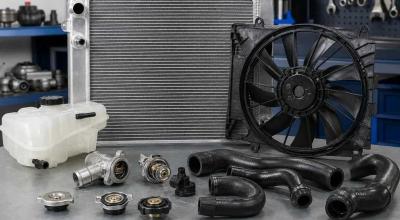
An engine running too hot is basically a pressure cooker full of expensive aluminum parts begging for mercy. Could be coolant loss, a dying water pump, thermostat issues, radiator problems, whatever. The cause almost doesn’t matter initially. The priority is stopping before the engine cooks itself into financial ruin.
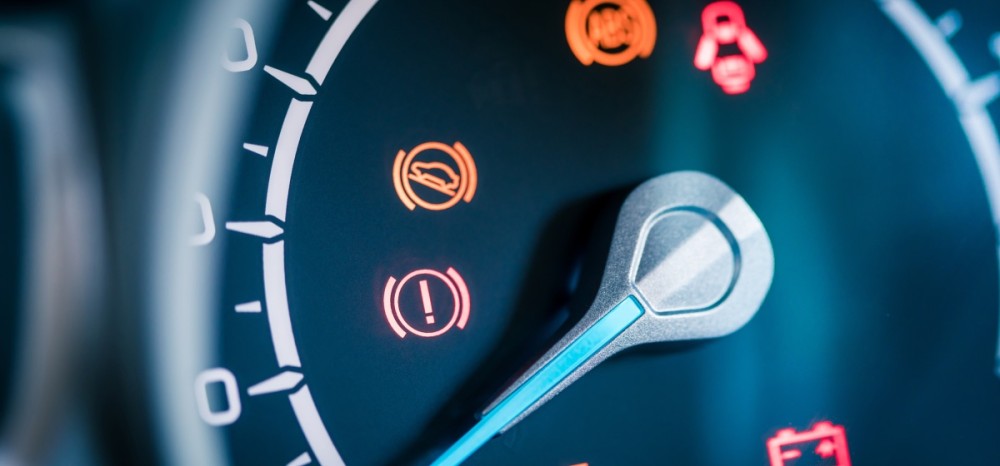
Then there’s the battery light, which confuses people constantly because they assume it means “replace battery.”
Sometimes yes. Often no.
A battery light usually means the charging system itself is struggling. More specifically, the alternator may have stopped charging the battery while the engine runs. Which means the car is quietly draining itself while you drive. Eventually electronics start shutting down one by one like a phone dying at 1%.
Not ideal on the interstate.
Now the check engine light... honestly, this one has traumatized an entire generation of drivers.
Because it could mean almost anything.
Loose gas cap? Sure.
Minor sensor glitch? Yep.
Expensive catalytic converter failure? Also possible.
Welcome to the emotional roulette wheel of modern automotive ownership.
Here’s the important distinction though: solid amber usually means “schedule a diagnosis soon.” Flashing check engine light means active misfire territory, and that can damage the engine or catalytic converter pretty quickly if ignored.
Flashing = stop procrastinating.
The tire pressure light is another one people dismiss constantly until they’re sitting on the shoulder with a shredded tire wondering how life became this way.
Sometimes it’s harmless temperature fluctuation from cold weather. Other times you’ve got a nail slowly turning your tire into a sad rubber pancake over several days. Either way, check it with an actual tire gauge, not optimism.
And honestly? One of the best cheap purchases any driver can make now is a little OBD-II scanner.
They cost like $25 online, plug underneath the dashboard, pair with your phone, and instantly tell you why the check engine light came on. No mysterious dealership guessing games. No paying diagnostic fees just to hear “your gas cap might be loose.”
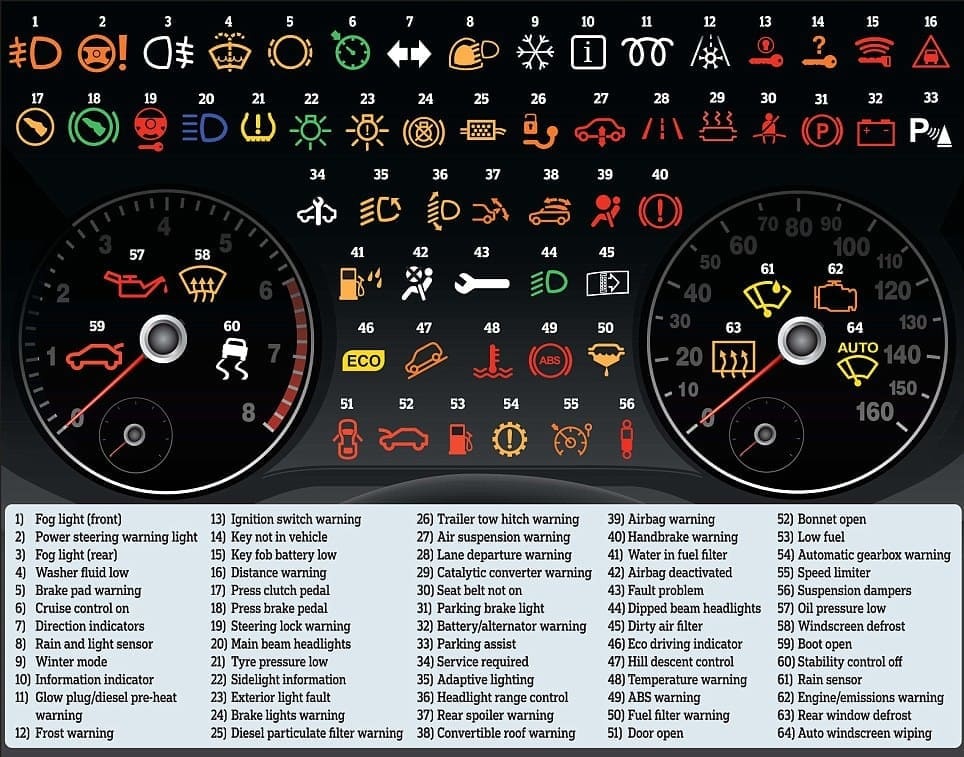
Modern cars talk constantly. Most people just never learn the language.
But once you do, those little warning lights stop feeling like random panic attacks and start feeling more like early warning systems, which is exactly what they were designed to be.
And catching problems early is usually the difference between a $90 repair and a $4,000 one.