The Color of Your Car Is Quietly Costing You Thousands at Trade-In

by AutoExpert | 20 May, 2026
Car color and resale value have a closer relationship than most people realize. When you pick a color at the dealership, you're probably thinking about what looks good in the parking lot. But that decision can swing your car's trade-in value by thousands of dollars down the road, and the results might surprise you.
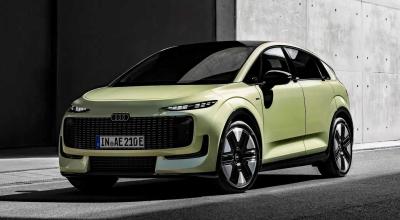
Let's start with the big one. Yellow cars depreciate the least. According to automotive research data, yellow vehicles lose only about 4.5% of their original value over three years. That's wildly low compared to the industry average. Orange, purple, red, and green round out the top five, all depreciating between roughly 10% and 14% in the same period.
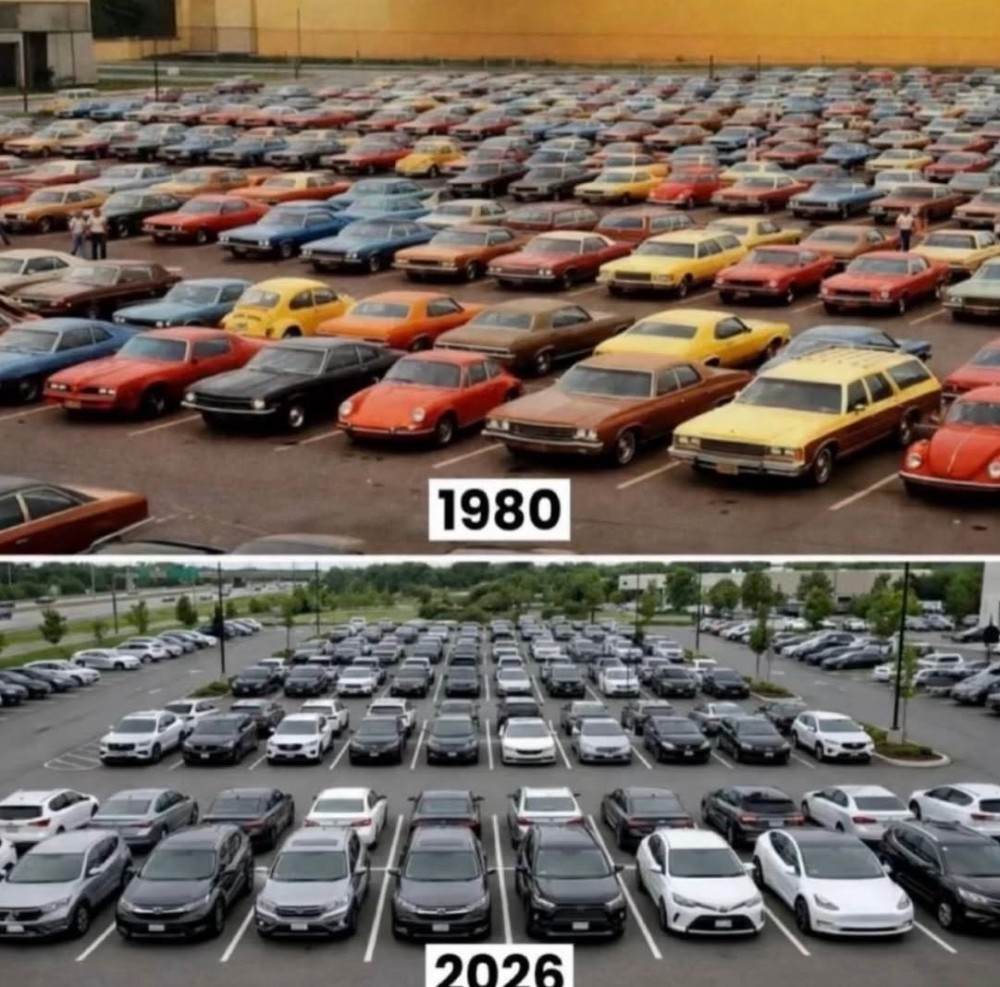
Meanwhile, the colors most of us actually buy, black, white, silver, and gray, fall somewhere in the middle or worse. They're safe. They're popular. But "popular" is actually part of the problem.
Why Unusual Car Colors Hold Their Value
Think about it from a buyer's perspective. If someone is shopping for a used car and they want something in black, they've got ten thousand options to scroll through. Supply is everywhere, which means nobody needs to pay a premium.
But if someone wants a yellow Jeep Wrangler or an orange Subaru Crosstrek? The supply is tiny. Fewer of those exist on the used market, so buyers compete over them, and prices stay stronger as a result.
It's basic supply and demand, just applied to paint.
The Red Car Insurance Myth
While we're on the topic of car colors and money, let's put one old myth to bed. Red cars do not cost more to insure. Insurance companies don't even ask what color your car is on the application. They care about the make, model, year, your driving record, your location, and how much you drive. Color doesn't enter the equation.
The only exception is if you have a custom paint job, and that's because custom work raises repair costs, not because of the color itself.
So Should You Buy a Bright Yellow Car?
Not necessarily. Car color and resale value are just one piece of the puzzle. If you hate yellow, you're going to hate looking at your car every day for the next five years, and that's not worth a few extra bucks at trade-in.
But if you're torn between two colors and one of them happens to be a less common shade, this is worth knowing. That bold choice might actually be the smarter financial move.
There's also a practical angle. Bright and unusual colors are easier to spot in parking lots, less likely to be involved in certain types of accidents (visibility matters), and frankly, they're just more fun. If you were already leaning toward something a little different, consider this your permission slip.
What About White and Black?
White and black still sell well and move quickly on the used market, which counts for something. A car that sits on the lot for weeks loses value too. So these colors aren't bad choices by any stretch. They're just not the hidden advantage that unusual colors turn out to be.
The takeaway here is pretty simple. Next time you're configuring a new car online and hovering over the color options, remember that the boring choice isn't always the safe one. Sometimes the color that turns heads also keeps your wallet a little fuller when it's time to sell.