

That White Crust on Your Battery Is Not Dirt, and It Can Eventually Silence the Car
by AutoExpert | 4 August, 2026
A car battery does not need to be completely dead to leave the car behaving as though it is.
Sometimes the battery is charged and perfectly willing to work, but the electricity cannot get past the fuzzy white buildup growing around one of its terminals. The engine cranks slowly. The interior lights dim. The dashboard flashes several unrelated warnings, then everything goes quiet.
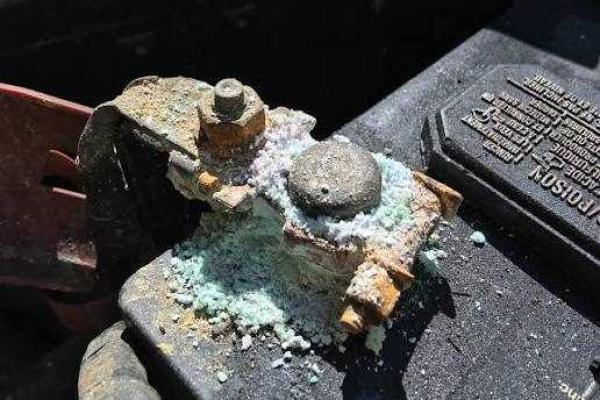
That chalky material is corrosion, not dust. Left alone, it can turn a healthy battery into an innocent suspect.
Why battery terminals grow strange colors
A conventional 12-volt battery contains acid and produces small amounts of gas during normal operation. Those vapors can react with the metals around the posts, clamps and cables, creating the crusty deposits found under the hood.
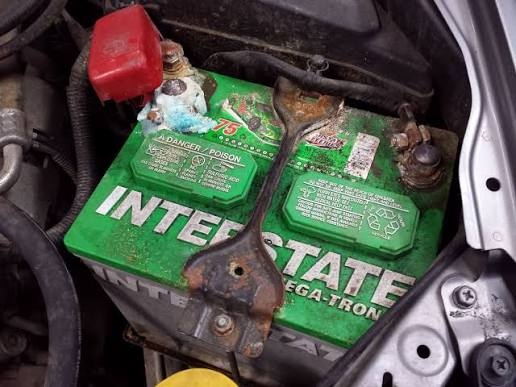
The color offers a clue about which metals are reacting. White corrosion often involves lead, zinc or aluminum. Blue or green buildup is commonly associated with copper in the clamps or wiring. Interstate Batteries explains that the different colors come from corrosion affecting different metals.
It is useful evidence, but not a complete diagnosis. Corrosion can develop through ordinary battery aging, especially in a hot engine compartment. It may also be encouraged by loose connections, damaged seals, electrolyte seepage or a charging-system problem.
A small amount of buildup does not automatically condemn the battery. Thick corrosion that returns quickly after cleaning deserves a closer look.
How a little powder creates a big starting problem
Starting an engine requires a large burst of current. The battery cables and terminals must provide a clean, tight electrical path while the starter motor does some of the hardest work any component in the car performs.
Corrosion adds resistance to that path. Enough electricity may still pass to illuminate the dashboard, operate the radio and unlock the doors. The trouble appears only when the key is turned or the start button is pressed and the starter asks for much more.
That is why corroded terminals can mimic a weak battery. The symptoms may include slow cranking, repeated clicking, dim lights or complete silence. Charging the battery will not repair a poor connection, and installing a new battery without cleaning badly corroded cables may leave the original problem sitting on top of the replacement.
Corrosion can also creep beneath the cable insulation, where wiping the visible terminal accomplishes very little.
Cleaning is simple until it is not
Light corrosion can often be cleaned, but a battery deserves more respect than an old garden chair with rusty bolts.
Wear gloves and eye protection. Keep cigarettes, flames and sparks away. Check the battery case before touching anything. A cracked, swollen, wet or visibly leaking battery should not become a home cleaning project.
Some vehicles also require specific procedures before the battery is disconnected. Settings may be lost, electronic systems may need reinitialization, and certain newer cars require battery-management resets. The owner’s manual should settle the question.
If disconnection is appropriate, the negative cable normally comes off first, followed by the positive. Reconnection is usually performed in the opposite order. This reduces the chance of an accidental short circuit, but the vehicle’s own instructions take priority.
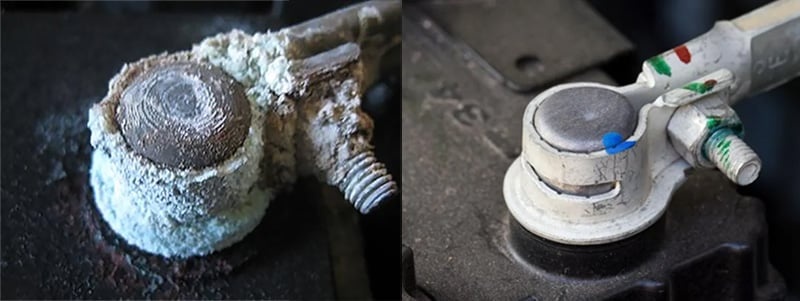
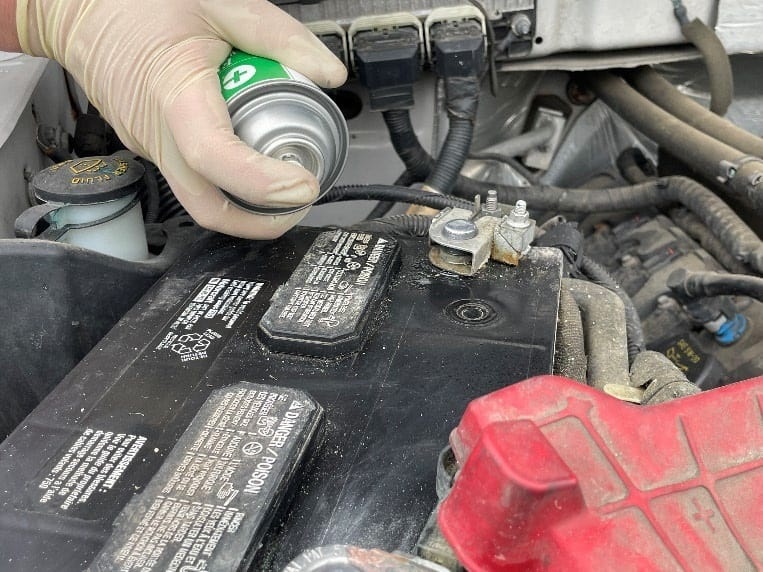
AAA recommends cleaning corrosion carefully rather than pouring a neutralizing solution directly over the battery. The clamps, posts and cable ends all need attention. A terminal can look clean from above while corrosion remains between the mating surfaces.
Once everything is dry and securely reconnected, the battery and charging system should be tested if the car has shown starting problems.
When cleaning is not enough
A badly eaten clamp, frayed cable or loose battery post needs replacement, not another brushing. The same applies when corrosion has travelled deep into the cable or damaged the connection beyond reliable tightening.
Recurring buildup may point to electrolyte leakage or an overcharging problem. A battery case that is bulging, hot or giving off a strong sulfur smell needs immediate professional attention. Do not lean over it or continue attempting to charge it.
Age matters too. Cleaning the terminals may restore the connection, but it cannot reverse deterioration inside an old battery. If the battery repeatedly goes flat or fails a proper load or conductance test, the crust was only part of the story.
The useful question is not simply, “Can this be cleaned?” It is, “Why did it form, and is the connection still sound?”
A quick glance under the hood once or twice a year can catch corrosion while it is still a small maintenance job. That harmless-looking white fuzz may weigh almost nothing, but it can stand between the battery and every electrical system in the car.