
Americans Say They Want Interesting Cars. Then They Keep Buying White, Black, and Gray
by AutoExpert | 30 June, 2026
Every year, car buyers get asked to imagine themselves as bold, expressive people.
People who care about design. People who say things like, “No, I don’t want the boring one.” People who claim they would absolutely pick something with personality if they were ordering a new car.
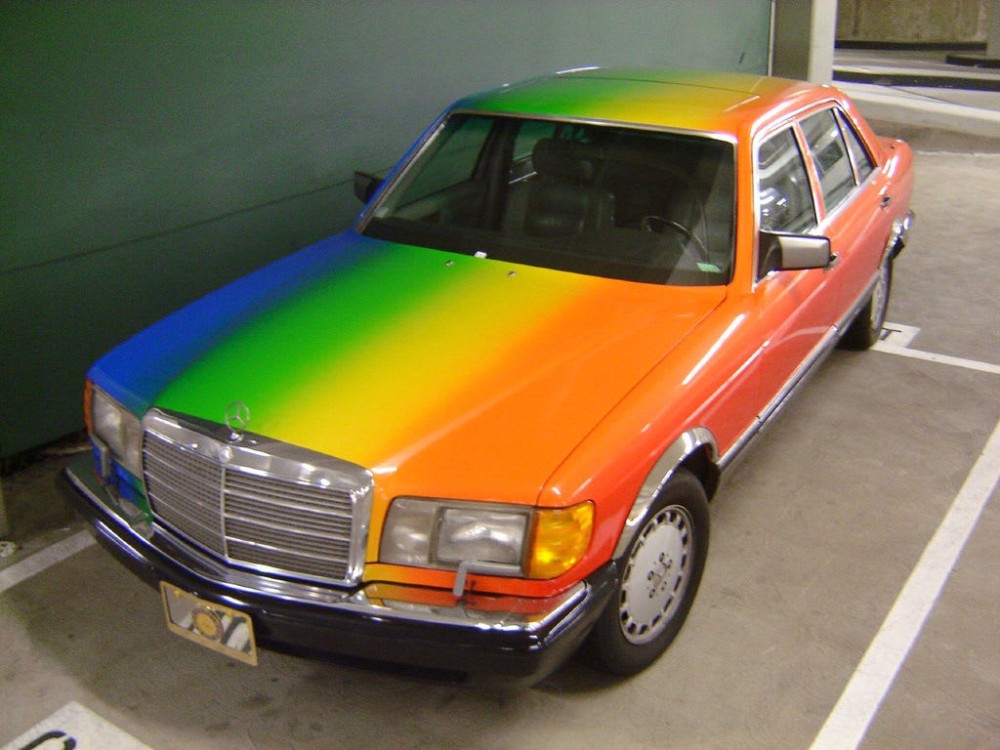
And then they walk onto a dealership lot, look around for ten minutes, and drive home in white, black, gray, or silver.
Again.
It has gotten to the point where the numbers are almost funny. If you bought a car in 2025, chances are excellent it was some flavor of grayscale. Not just decent chances. Extremely strong chances. More than four out of five new vehicles sold were white, black, gray, or silver. That is not a trend anymore. That is basically a surrender.
And the really depressing part is that this did not used to be normal.
Go back a few decades and American roads had more life to them. Not every driveway looked like it had been curated by someone trying to stage a luxury condo listing. There were reds, greens, blues, weird golds, forgettable teals, all kinds of bad and good decisions rolling around out there. Some were awful, sure, but at least they were decisions. Now entire parking lots look like someone clicked “desaturate” on real life.
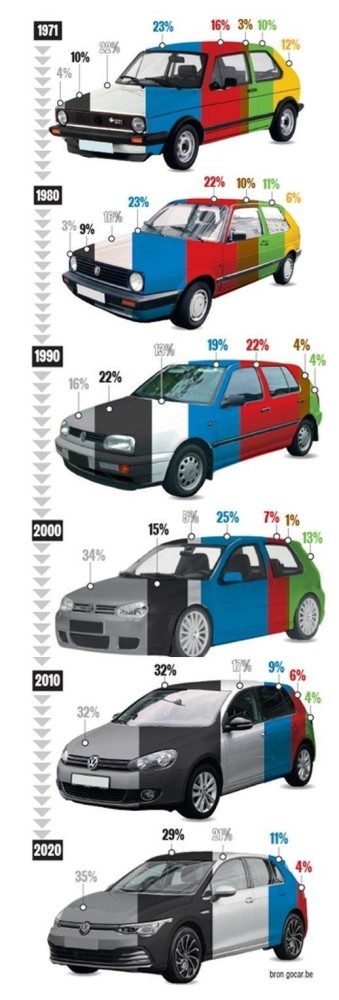
White is still the king of this joyless empire, which makes sense even if it is dull. White hides heat better, looks clean from a distance, and feels safe in the resale sense. Black stays popular too, which is interesting because black is one of the least forgiving colors you can buy if you enjoy seeing every speck of dust and every scratch the universe can produce. Gray has become weirdly dominant as well, especially that flat, moody, modern gray that makes every car look like it came with a subscription plan and an emotionally unavailable owner.
Blue is basically the only actual color still hanging onto relevance in any meaningful way, and even that feels less like a revival than a stubborn refusal to die completely.
The rest of the color chart is just trying to survive.
Red still exists, but not like it used to. Green barely shows up. Orange is almost anecdotal. Yellow might as well be a rumor. Purple is basically gone, which is a shame because purple cars are never boring, even when they are terrible. Maybe especially when they are terrible.
And trucks are somehow even worse.
This should be the category where people loosen up. If any part of the market should still allow a little personality, you would think it would be trucks. Instead, truck buyers are out here choosing grayscale in overwhelming numbers too. White dominates, which at least has some practical logic behind it if the truck is actually being used like a truck. But black is right there too, despite being a magnet for heat, dirt, swirls, and regret. So clearly practicality is not the full explanation.
The real explanation is probably more boring than the colors themselves.
Dealers stock what moves. And what moves is what feels safe. Neutral colors are easier to sell because nobody has to love them. Nobody has to picture themselves as “a yellow car person” or “someone who drives dark green.” White, black, and gray do not ask anything of the buyer. They do not challenge anyone. They just sit there and say, “I will offend no one and say nothing.”
That turns out to be a very effective sales strategy.
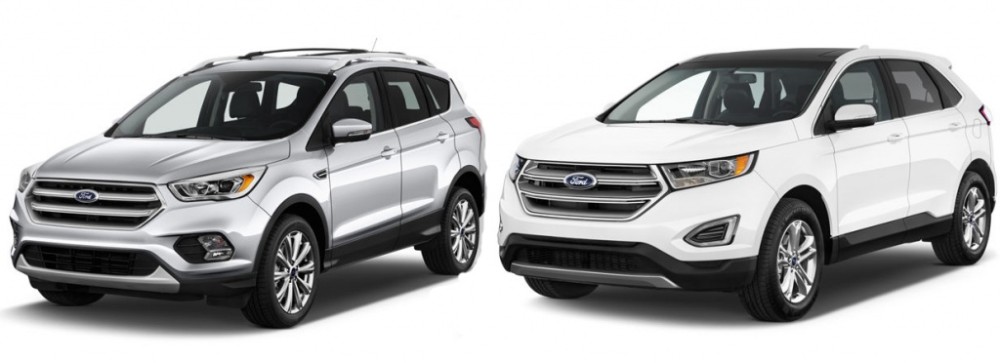
So now buyers mostly choose from what is already sitting there, and what is already sitting there is mostly grayscale, and the cycle keeps feeding itself. Dealers say people want boring colors. Buyers say those were the choices available. Everybody shrugs, and another year goes by with America pretending flat gray is a personality.
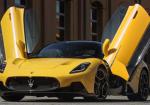
The sad part is that colorful cars often end up being more memorable and sometimes even more desirable later. People notice them. They stick in your mind. They can age better because they feel tied to an era or a model in a way generic silver never really does. A bright green sports car, a deep blue sedan, even a weird factory orange crossover at least has the decency to be identifiable from fifty feet away.
Nobody has ever turned around in a parking lot because a rental-spec gray crossover stopped them in their tracks.
And yet here we are.
Part of this is probably just modern buyer psychology. Cars are so expensive now that people get nervous about making the “wrong” choice, and a neutral color feels like the adult decision. A fun color feels riskier. What if you get tired of it? What if resale suffers? What if people judge you for liking something cheerful? Much safer to buy another white SUV and call it timeless.
Which is exactly how roads end up looking so lifeless.
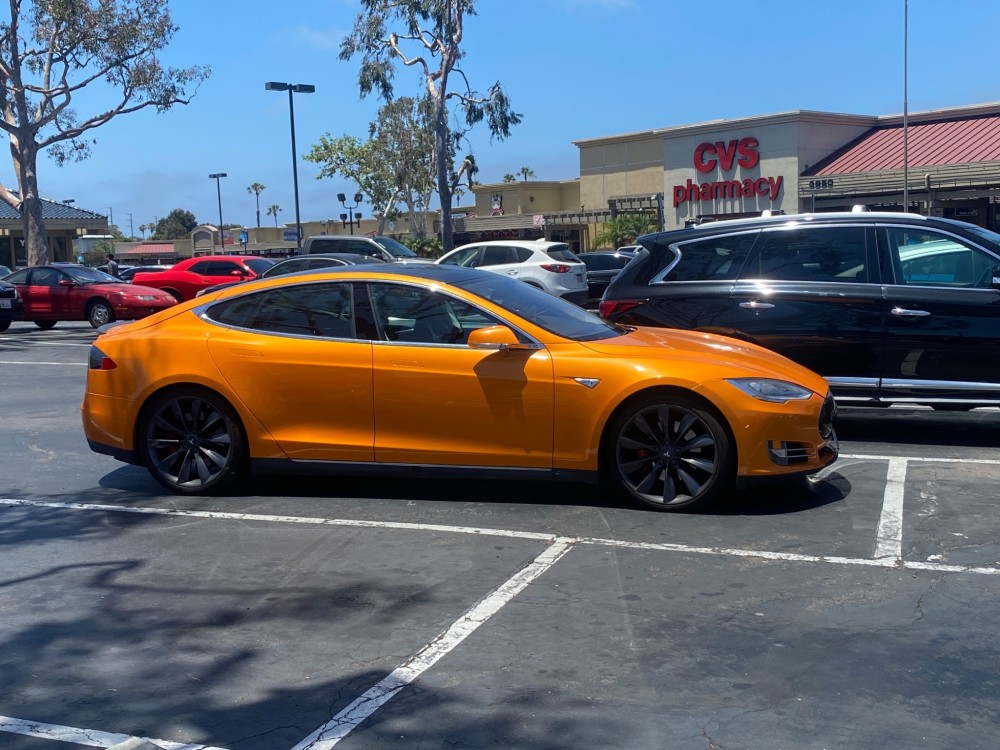
To be fair, not every grayscale car is bad. Some cars genuinely look great in black. Some silvers still do a nice job of catching light. Some modern grays suit the shape. But when most of the market is making the same cautious decision over and over again, it stops being about taste and starts feeling like a collective failure of nerve.
That is what these color numbers really say.
Not that people hate color. Just that most people do not want to be the one who actually chooses it.