
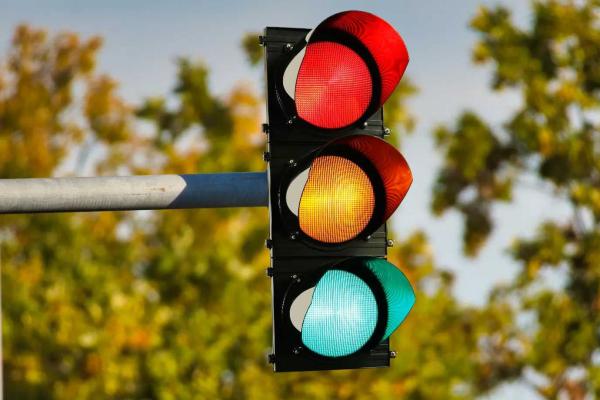
Why Traffic Lights Use Fresnel Lenses: The Secret to High-Visibility Signals
by AutoExpert | 23 December, 2025
Traffic lights seem about as simple as it gets. A colored light turns on, drivers react, everyone moves on. But if it were really that simple, traffic lights would actually be a lot harder to read — and a lot more dangerous.
The reason they aren’t comes down to a small piece of plastic most people never think about: the Fresnel lens.
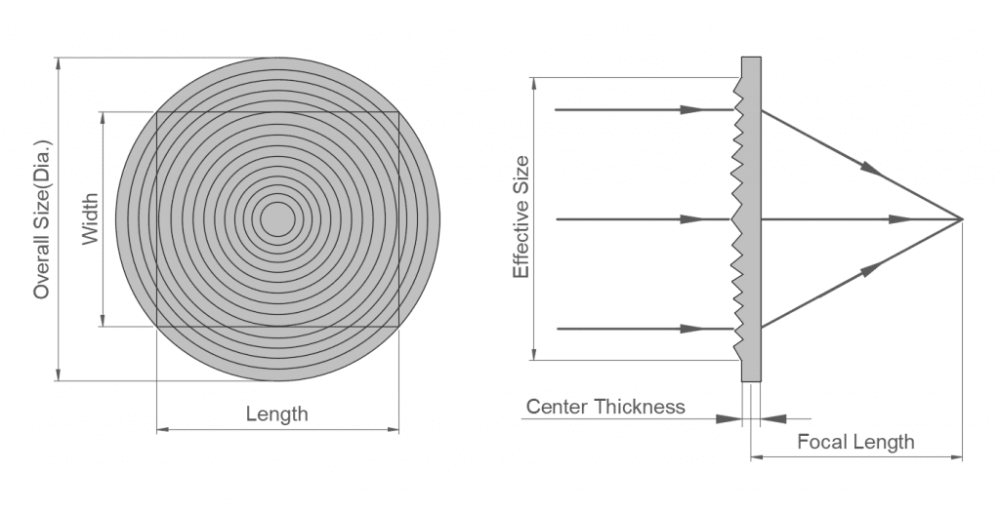
If a traffic light were just a bare bulb or LED behind colored glass, the light would scatter everywhere. From a distance, from the wrong angle, or in bright sun, it would be hard to tell which light belongs to which lane. A green glow off to the side could look like a go signal when it isn’t. That kind of confusion doesn’t end well at intersections.
The Fresnel lens fixes that by controlling the light instead of just making it brighter.
The idea isn’t new. It actually comes from old lighthouse tech, where the problem was similar — light existed, but it wasn’t going where it needed to go. The solution was shaping the lens into thin rings that bend and aim the light forward, instead of letting it spill in every direction.
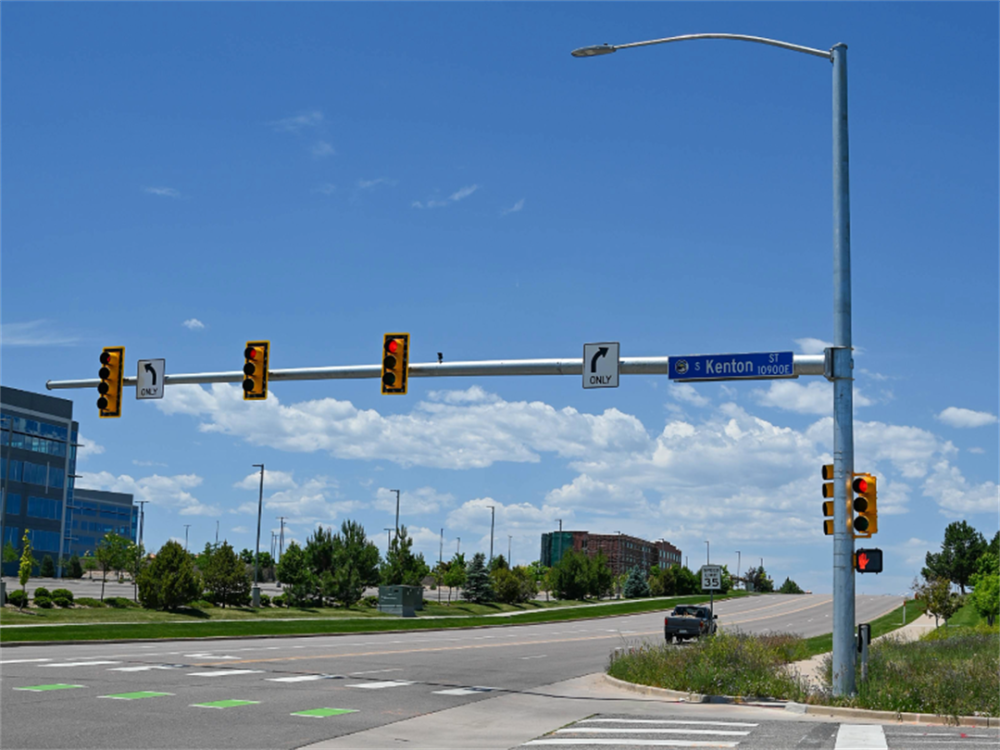
Traffic lights work the same way. The lens focuses the light so it’s easy to see from far away, clear in bad weather, and visible from the right angles — but not from the wrong ones. That’s why a driver waiting to turn doesn’t mistake another lane’s green light as permission to go. The light is deliberately aimed.
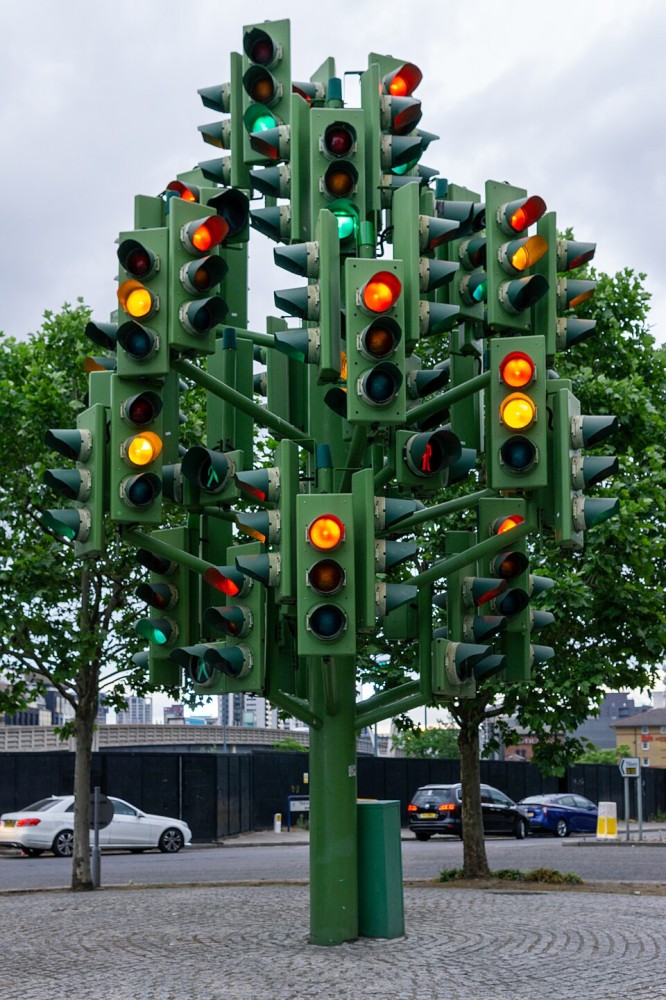
Modern traffic lights use LEDs and lightweight plastic lenses now, but the job is still the same. Make the signal obvious when it matters, and invisible when it doesn’t.
It’s a small detail, but without it, intersections would be a lot more chaotic. Traffic lights may look boring, but there’s a lot of quiet problem-solving packed inside that little glowing circle.