
Why the Electric Vehicle Revolution Stalled in the US
by AutoExpert | 13 May, 2025
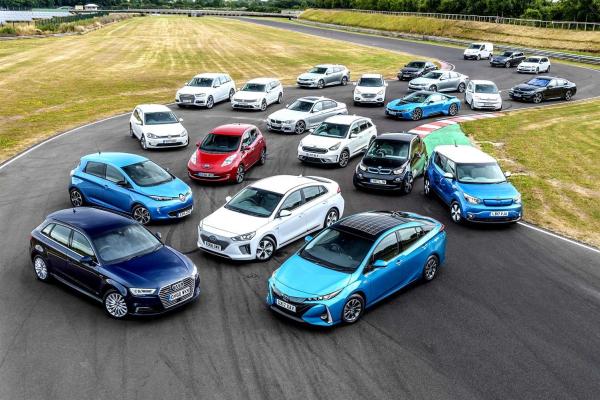
Remember when electric cars seemed poised to take over the world? Tesla's Model S proved EVs could be sexy, fast, and practical all at once. Everyone from Ford to Mercedes scrambled to catch up, promising an electric revolution.
Fast forward to 2025, and something weird happened – the revolution stalled. Despite over 100 EV models flooding the market, they account for just 8.1% of U.S. car sales. Legacy automakers are backpedaling on electric commitments, and smaller players like Lotus are fighting for survival.
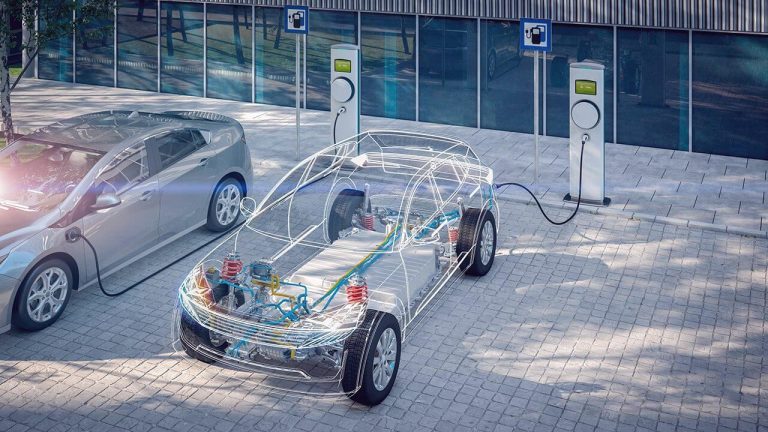
So what gives? Why isn't everyone rushing to plug in instead of fill up? A recent ScienceDirect study identified some fascinating barriers keeping buyers away from EVs.
The Range Reality Check
The Lucid Air Grand Touring boasts an impressive 512-mile range – more than enough for 99% of driving scenarios. Most decent EVs now offer 300+ miles per charge, which should cover almost anyone's weekly driving needs.
But that's not how people think about range.
When someone buys a Toyota Tundra with its 700-mile range, they're not actually driving 700 miles regularly. They're buying peace of mind. That psychological comfort of knowing you could drive across multiple states without stopping matters more than actual daily needs.
Plus, there's the emergency scenario argument. What happens when grandma lands in the hospital 400 miles away? With a gas car, you grab your keys and go. With an EV, you're plotting charging stops and adding precious time.

Built With an Expiration Date
Battery degradation is the elephant in the room. Most lithium-ion packs lose roughly 1.8% capacity annually, giving them a 15-20 year functional lifespan. That might sound reasonable until comparing it with traditional cars.
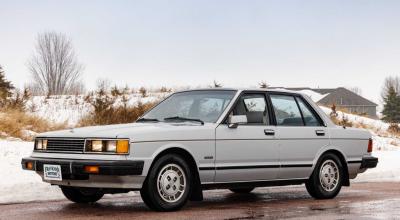
While the average gas car might change hands around 17 years, well-maintained ICE vehicles routinely hit 300,000+ miles. Sure, that million-mile Tesla exists – but it needed four battery replacements and thirteen motors to get there. Since battery replacement typically exceeds a used EV's value, most electric cars face a hard end-of-life deadline their gas counterparts don't.
This creates a fundamentally different ownership proposition. An EV essentially comes with a built-in self-destruct timer that makes passing it down through generations impractical.
The Weight Problem
Electric cars are fat. There's no polite way to say it.
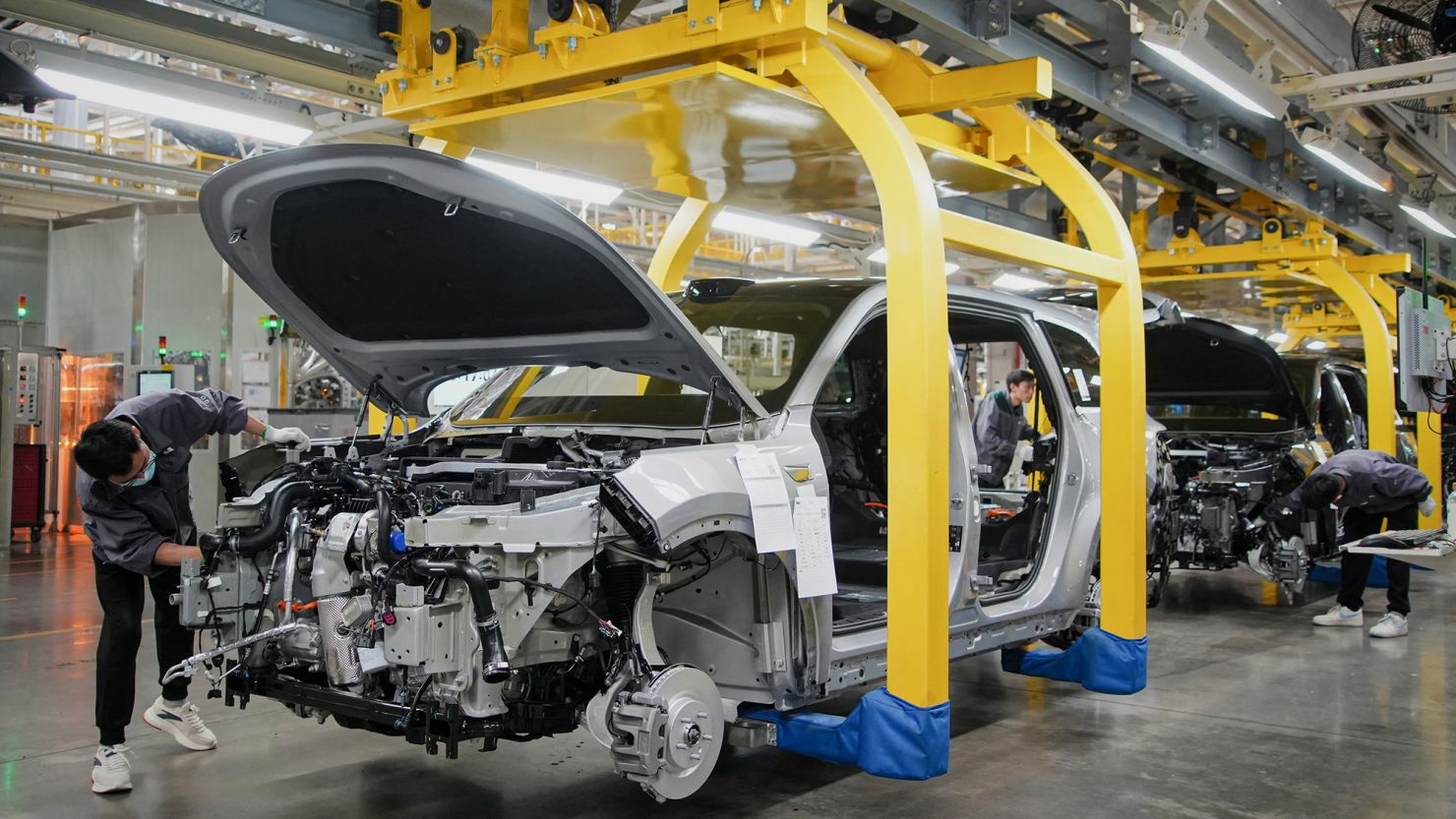
The GMC Hummer EV tips the scales at a staggering 9,000 pounds. The Rivian R1T – despite being the "safest" electric truck – still weighs 7,000 pounds. This creates genuine safety concerns for everyone else on the road. That Mazda 3's impressive safety rating means little when a battery-laden behemoth twice its weight comes barreling through an intersection.
Even "normal" cars are ballooning. The new BMW M5 weighs 5,368 pounds – nearly 1,000 pounds heavier than its predecessor, thanks to its hybrid system. Solid-state batteries promise to help eventually, but they're still years away from mass production.
The Affordability Gap
Where are all the cheap EVs? That's what average car buyers want to know.
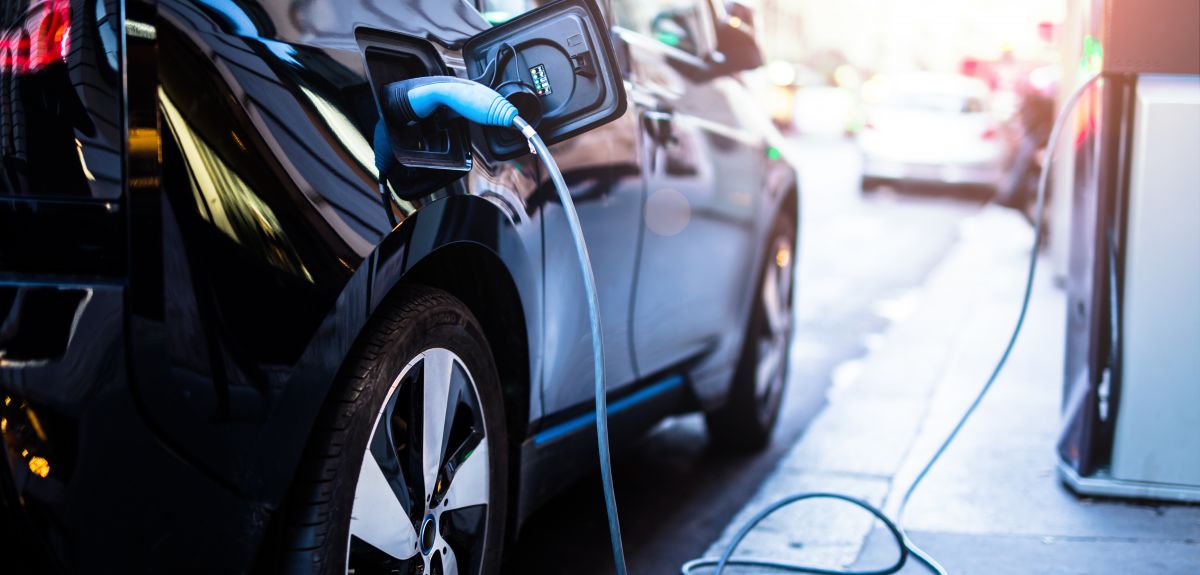
When Slate announced a basic electric pickup for around $20,000 (after incentives), people went nuts. Why? Because most EVs worth considering start at $35,000-$45,000 – well above what many Americans can afford.
Meanwhile, trusted gas models like the Honda Civic and Toyota Camry continue dominating sales charts with their $23,000-$35,000 price tags and decades of reliability behind them.
The Inconvenient Environmental Truth
"Zero tailpipe emissions" makes for catchy marketing, but it's only part of the story. EVs still cause pollution through tire wear, manufacturing impacts, and most importantly – where their electricity comes from.
In the U.S., most electricity still comes from natural gas, coal, and nuclear. Battery production involves environmentally destructive lithium mining and often relies on questionable cobalt sourcing practices.
According to Earth.org, an EV needs about eight years of driving before its lower operational emissions offset the environmental damage from its production – coincidentally right around when the warranty expires.

Infrastructure Headaches
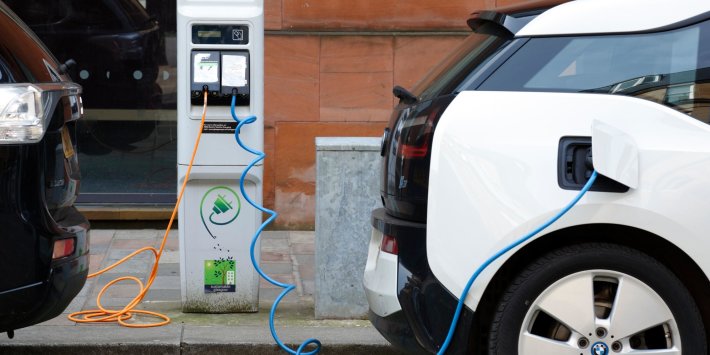
Home charging transforms the EV experience, but what about the millions of Americans without garages? Apartment dwellers and street parkers face genuine logistical challenges.
Public charging networks work fine for daily commutes but collapse during peak travel periods. Thanksgiving road trips become exercises in charging queue patience, adding hours to already long journeys.
There's also the looming power grid question. The current U.S. grid manages with EVs at 8.1% market share, but MIT research suggests significant upgrades will be needed once that figure reaches 13%. This means bigger batteries (adding more weight), vehicle-to-grid capabilities, and off-peak charging requirements – all complications gas cars simply don't have.

The Emotional Connection
Beyond all practical considerations lies perhaps the biggest barrier: people simply love internal combustion engines.
The Porsche Taycan Turbo GT might demolish a Ferrari 458 Italia around the Nürburgring, but for many enthusiasts, that misses the point entirely. They don't want silent efficiency – they want the visceral experience of a naturally aspirated V8 screaming toward redline.
It's not about numbers on a spec sheet. It's about emotional connection, character, and the multi-sensory experience that traditional cars deliver. Even as impressive EVs like the Hyundai Ioniq 5 N try to simulate that experience, many drivers still prefer the authentic article – imperfections and all.
For the average American, the perfect car still has an engine up front, maybe a transmission in the middle, and drive going to the wheels. That's not changing as quickly as EV advocates hoped it would.