
Why That “Puddle” on the Road Isn’t Really Water
by AutoExpert | 17 April, 2025
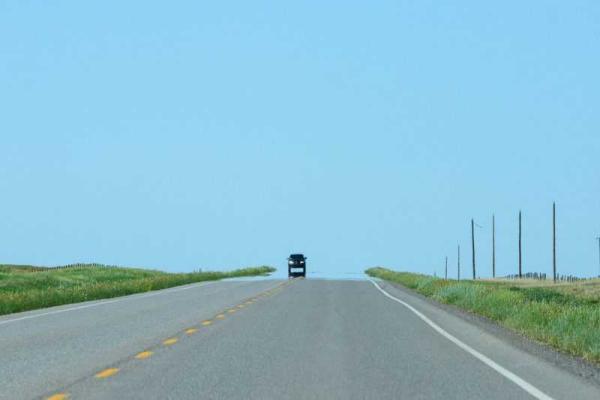
Ever driven down a highway on a scorching day and spotted what looks like a puddle up ahead, only to have it disappear as you get closer? Turns out those phantom puddles aren't just something from Looney Tunes – they're legit science.
Unlike the cartoon quicksand that rarely materializes in real life, mirages happen all the time on hot roads. Most people just don't realize what they're seeing.
It all comes down to how light behaves when it travels through different air temperatures. When asphalt bakes in the sun all day, it radiates serious heat even as the air starts cooling down. This creates a thin layer of hot air trapped beneath cooler, denser air above it.
Light does something weird when it hits these different air layers. In the cooler, moister air, light actually slows down. But when it hits that hot air near the road, it speeds up and changes direction – what scientists call refraction.
The result? An "inversion layer" where light rays that would normally bounce straight back to your eyes from the road surface instead curve upward and scatter. This scattering mimics how light bounces off water, creating that shimmering "wet road" effect we've all seen.
These road mirages are always temporary. Hot air naturally rises through convection, cooling as it goes. The whole thing creates a little microclimate that depends on sunlight, which explains why mirages typically appear after long, hot days as the road begins cooling rapidly.

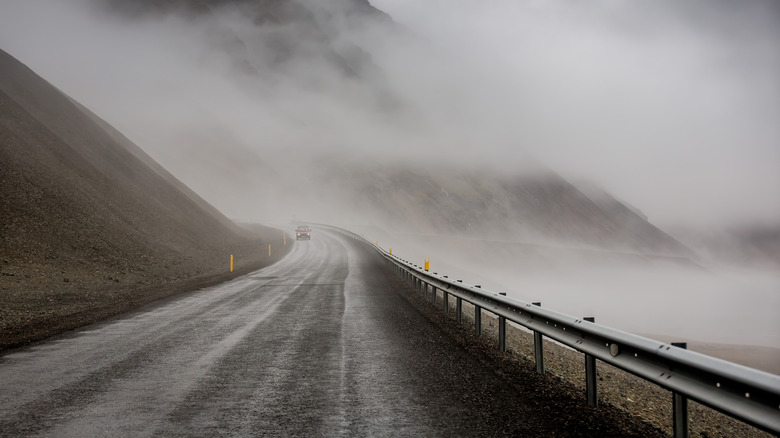
Interestingly, inversion layers often happen in reverse too – with warm air trapping cold air below – creating fog and mist, especially over bodies of water that are losing heat quickly.
So next time that "puddle" disappears as you approach, you'll know exactly what scientific trickery is behind it.