Why Race Cars Taped Headlights: The History of the Glass "X"
by AutoExpert | 18 December, 2025
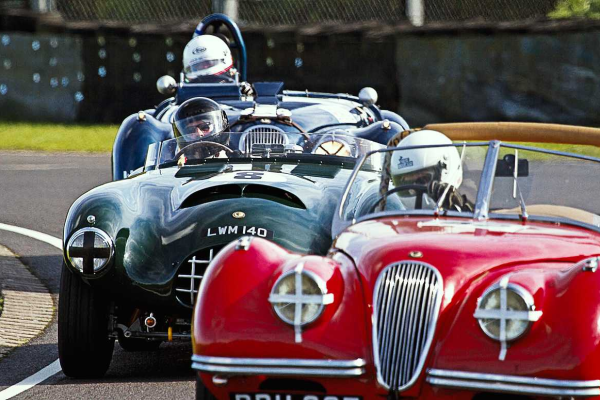
That taped X across a car’s headlights didn’t start as a fashion statement, a movie reference, or something to show off at Cars & Coffee. It was there for a very real, very practical reason — and once you know the history, it makes a lot more sense why it showed up everywhere on old race cars.
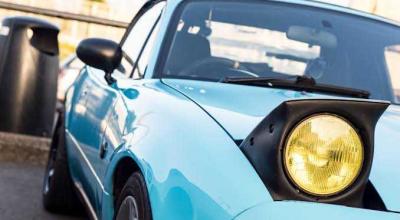
Go back a few decades and headlights were made of actual glass. Not plastic. Not polycarbonate. Real, brittle glass. On a racetrack, that’s a problem. One kicked-up rock, a bit of debris, or a light tap from another car could shatter a headlamp instantly. When that happened, the glass didn’t just disappear — it scattered across the racing line. Those shards could slice tires, trigger punctures, and turn a minor incident into a serious crash. The tape wasn’t meant to stop the impact. It was there to hold the broken pieces together just long enough to avoid chaos.
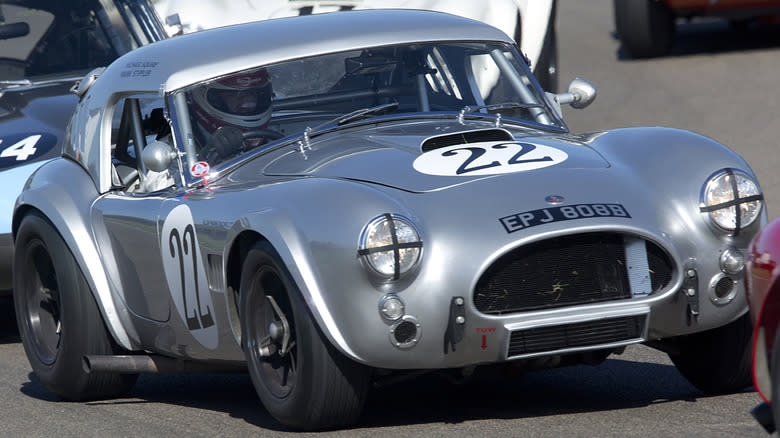
Racing organizations like IMSA and the SCCA didn’t treat this as optional, either. Taping exposed glass headlights was mandatory. It was cheap, simple, and effective. Think of it less as armor and more like a safety net — not glamorous, just smart. If the light broke, the tape kept the mess contained.
Endurance racing took things even further. In long events like the Rolex 24 at Daytona, teams would often fully cover headlights during daytime running. Bugs, rubber debris, sand, and track grit could sandblast lenses over hours of racing, dulling the light output by nightfall. By taping or padding the lights during the day, crews preserved them. When darkness hit, the coverings came off and drivers got clean, bright headlights exactly when visibility mattered most. It was low-tech problem-solving at its best.
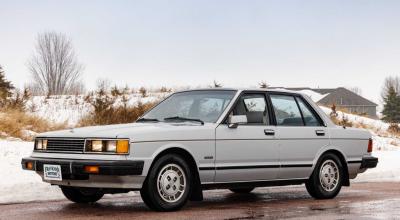
So why don’t you see taped headlights on modern race cars anymore? Simple answer: the headlights changed. By the late ’80s and early ’90s, glass gave way to polycarbonate. Plastic lenses don’t shatter into razor-sharp fragments. They might crack, scuff, or deform, but they don’t explode across the track. Once the danger disappeared, the rules followed. The tape requirement quietly went away.
Here’s where things get awkward for modern street cars. Taping an “X” on today’s plastic headlights doesn’t protect anything — and it can actually make things worse. Plastic lenses handle heat differently than glass. Trap that heat under layers of tape and you risk discoloration, haze, or even warping over time. What once prevented damage can now cause it.
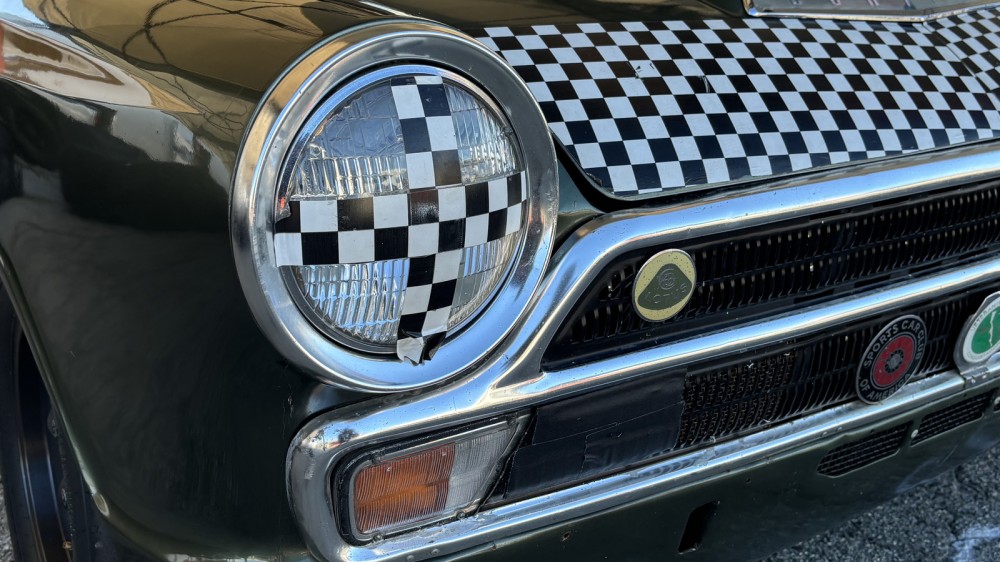
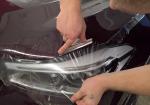
Modern race teams still protect their headlights, but they’ve upgraded the method. Clear or tinted tear-off films — basically screen protectors for headlights — do the job without trapping heat or looking like a leftover from the VHS era. The taped “X” survives today mostly as a visual callback, a piece of motorsport cosplay that stuck around long after its job was done.
It still looks cool, no question. But unless you’re driving a vintage race car with actual glass headlights, that X is just history stuck on with electrical tape — a reminder of a time when racing problems were solved with whatever was handy in the pit box.