
Why New Tires Have Rubber Whiskers (And What They Mean)
by AutoExpert | 24 April, 2025
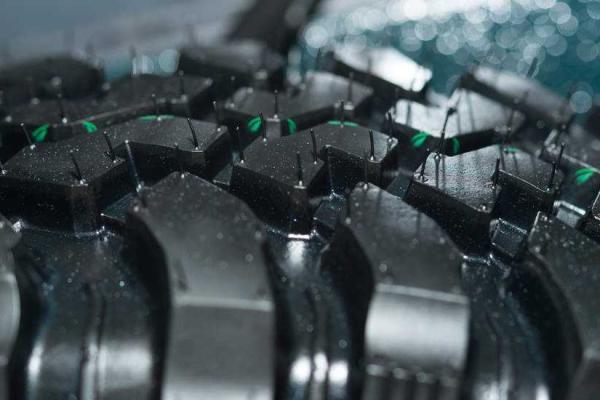
Ever noticed those weird little rubber whiskers all over brand new tires? They're not some high-tech performance feature or tire whiskers designed to sense the road. They're actually just leftovers from the manufacturing process.
These little hair-like protrusions have a name: vent spews. They appear during the final stage of tire production called vulcanization, where raw "green tires" transform into the finished product everyone knows.
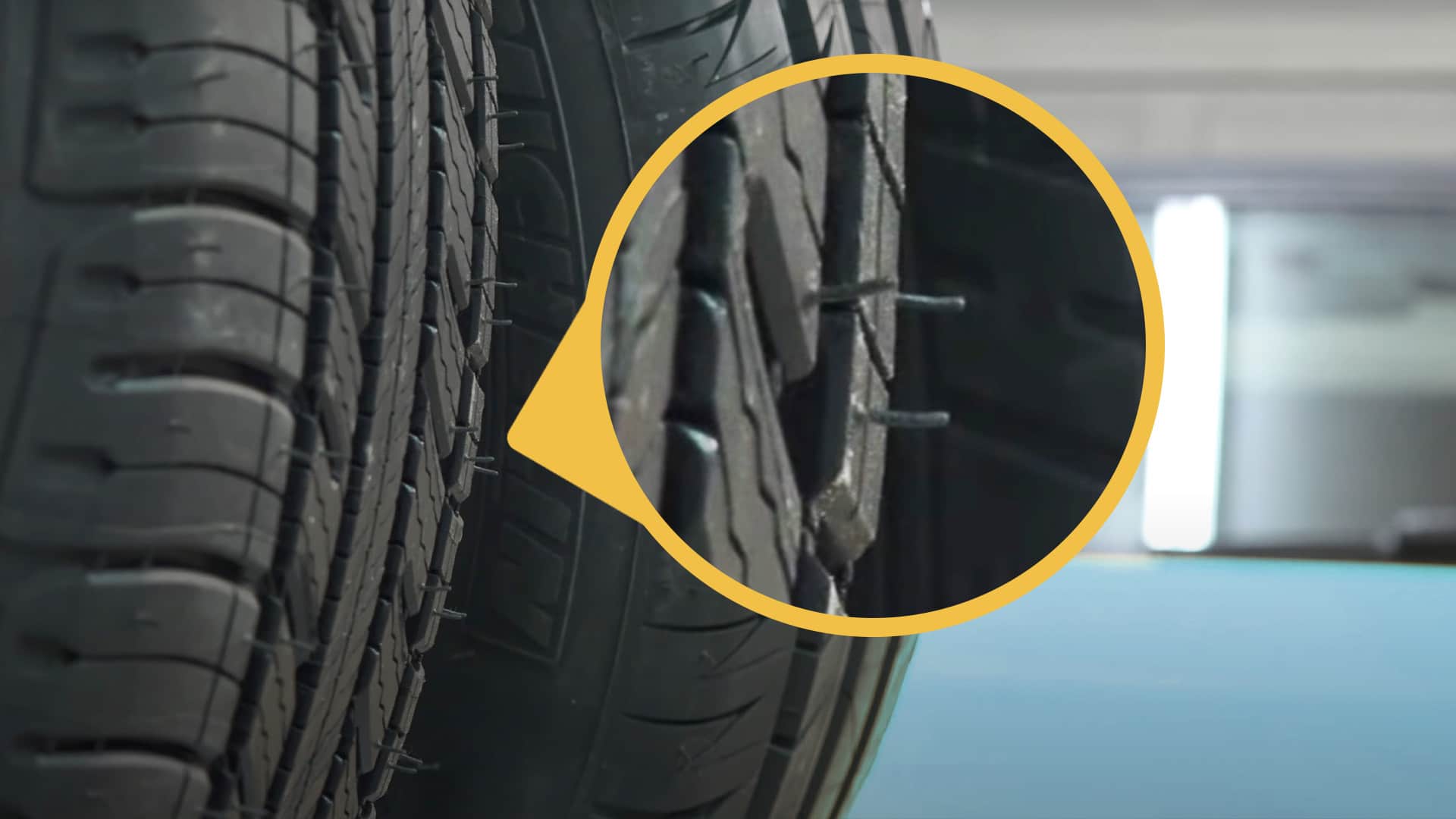
During vulcanization, the soft, uncured tire gets placed in a mold with the tread pattern and sidewall markings. Steam-pressurized bladders inside the mold push the rubber against the mold surface. To prevent air bubbles, the mold has tiny vent holes that allow air to escape. When the rubber gets pressed against these holes, small amounts squeeze through, creating those distinctive whiskers.
The spews on the tread surface wear off after just a few miles of driving, but the ones on the sidewalls can stick around much longer. They don't affect performance or safety in any way, so there's no need to remove them – though some people do for cosmetic reasons.
One word of caution: seeing vent spews doesn't automatically mean a tire is brand new. Some barely-used vintage tires still have their sidewall whiskers intact decades later. Always check the date code to determine a tire's actual age rather than relying on these rubber hairs as an indicator.