Why Gas Prices Vary by $2 Across the US: Taxes, Fuel Blends, and Hidden Fees Explained
by AutoExpert | 27 November, 2025
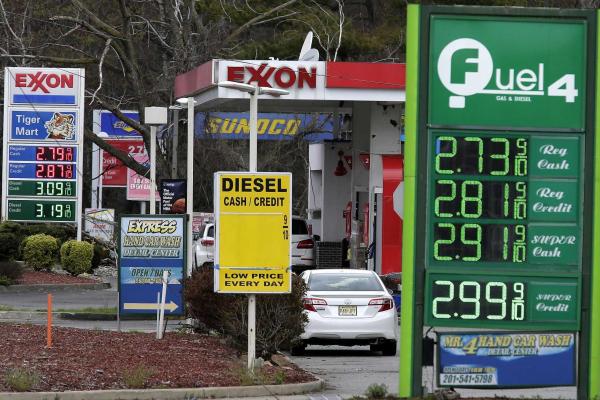
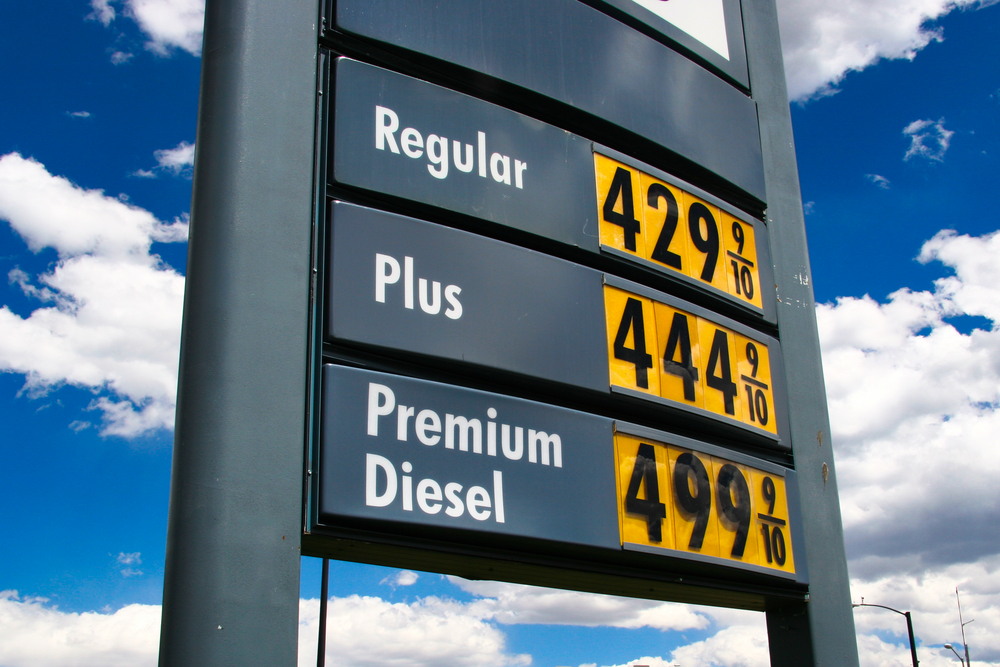
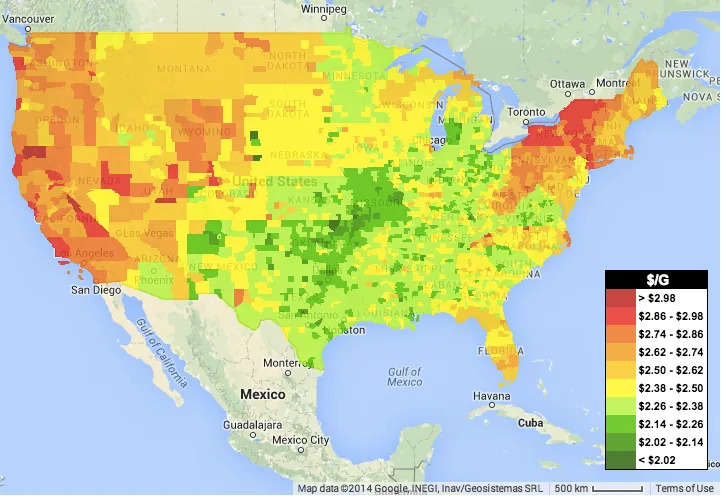
Anyone who’s taken a road trip in the U.S. has noticed it: gas might cost $4-plus in California and barely $2-something in Oklahoma. Same country, same gasoline — wildly different price tags. What’s going on?
A big part of it comes down to something incredibly unglamorous: taxes. Every state sets its own gas tax, and the spread is huge. California piles on more than 60 cents per gallon. Alaska? Around 9 cents. When taxes make up roughly a quarter of every gallon’s price, the difference really shows up on the pump.
Then there’s the simple matter of geography. Gas doesn’t magically appear underground at your local station — it has to be shipped from a refinery. The farther a station is from major refining hubs (think the Gulf Coast or Midwest), the pricier the fuel becomes. Transporting gasoline across long distances by pipeline, truck, or rail isn’t cheap.
And, at least in states like California, regulations play a role too. Special fuel blends required to reduce emissions cost more to produce. Add in refinery shutdowns from wildfires or heat waves and prices spike fast.
Why prices can vary across the street
Even inside the same town — or on opposite corners of an intersection — gas prices can jump around. A few reasons:
• Location costs money.
A station sitting near a busy freeway exit pays higher rent than the one tucked behind a strip mall. Higher overhead equals higher prices.
• Brand matters.
Some brands — like Shell or Chevron — use proprietary additives that bump up production costs. Others keep it simple and cheaper.
• Business strategy plays a role.
Many convenience stores sell gas at razor-thin margins because they make real money on snacks, drinks, and lottery tickets. Independent stations often can’t play that game — fuel sales matter more to them, so their prices may sit higher.
• Buying power is not equal.
Big franchise operators purchase fuel in massive quantities and negotiate better wholesale deals. Small stations don’t have that leverage.
Gas pricing looks random from the outside, but it’s really a mix of taxes, regulations, transportation costs, rent, branding, and basic business math. So yes — that 10-cent difference across the street actually makes sense… even if it doesn’t make it hurt any less.