
Why Front-Wheel Drive (FWD) Replaced RWD as the Standard for Affordable Cars
by AutoExpert | 10 December, 2025
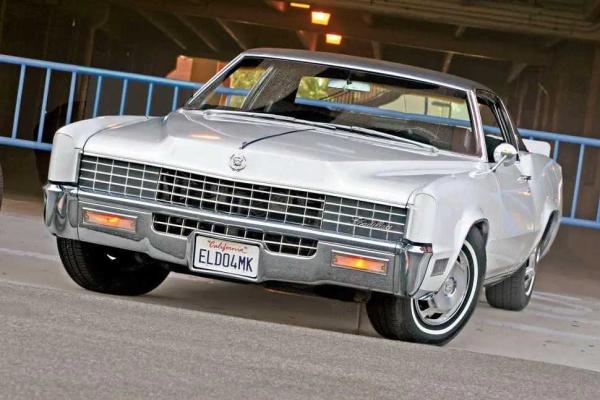
Anyone shopping for an affordable new car today probably isn’t surprised when the spec sheet says “front-wheel drive.” For budget models — think Honda Civic, Toyota Corolla, Kia Forte — FWD has basically become the default. But it wasn’t always this way. Through the ’50s and early ’60s, almost everything rolled off the line as rear-wheel drive.
So what changed? In short: cost. And a little bit of history.
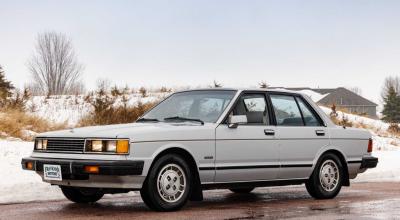
When the fuel crises of the 1970s hit, Americans suddenly wanted smaller, lighter, more efficient cars. Imports from Japan — early Civics, Corollas — and compact European models showed how much space and fuel economy manufacturers could squeeze out of a tiny footprint by putting the engine, transmission, and drive wheels all up front. No long driveshaft. Fewer big, heavy components. Less complexity. Cheaper to build.
FWD also delivered a few practical perks:
• better traction in snow and rain because the weight sits over the driven wheels
• simpler packaging, which means more interior room for passengers
• fewer parts to engineer, assemble, and maintain
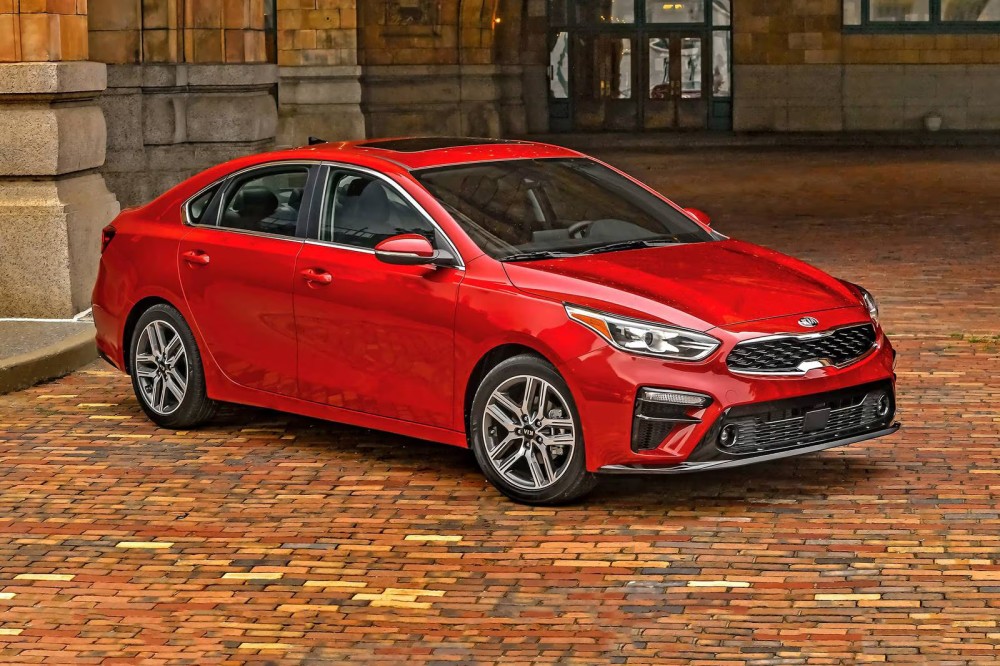
None of this makes front-wheel drive more exciting than rear-wheel drive — it isn’t. But for people who just need a reliable daily driver and don’t care about perfect cornering balance, FWD checks the boxes that matter: inexpensive, efficient, predictable.
By the time the 2000s rolled around, automakers were deep into cost-cutting and platform sharing. FWD became the easiest way to keep sticker prices low and profits steady. And once the cheapest models went FWD, everything else in that segment followed.
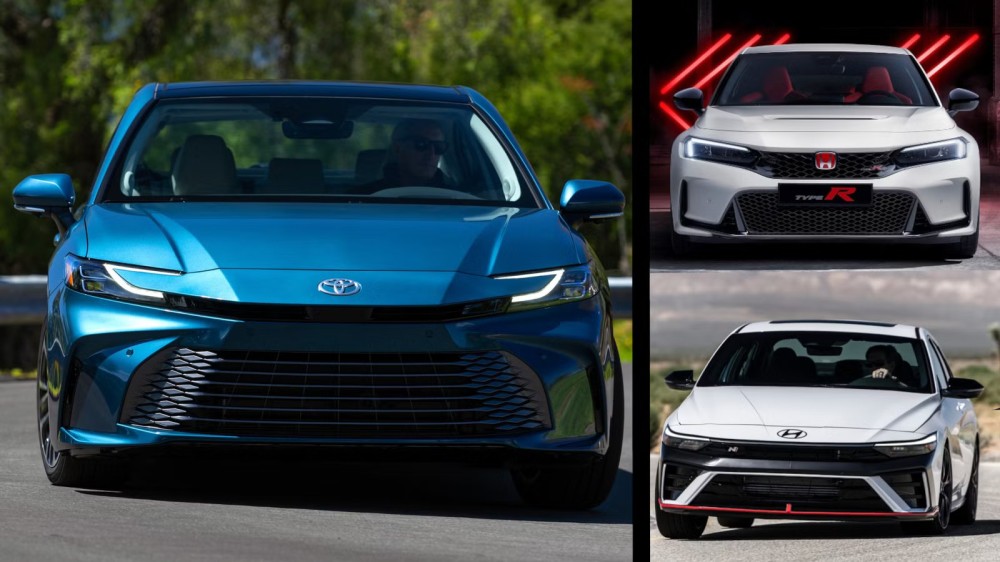
It’s not the layout enthusiasts dream about. But for the kind of cars most buyers want — practical, affordable transportation — front-wheel drive won for one simple reason: it made building cheap cars a whole lot cheaper.