
Automakers Covered Millions of Metal Roofs in Vinyl, and Buyers Happily Paid Extra
by AutoExpert | 16 September, 2026
Automotive fashion has produced few ideas quite as curious as taking a finished steel roof, covering it in textured plastic and charging the customer extra. For several decades, buyers did exactly that.
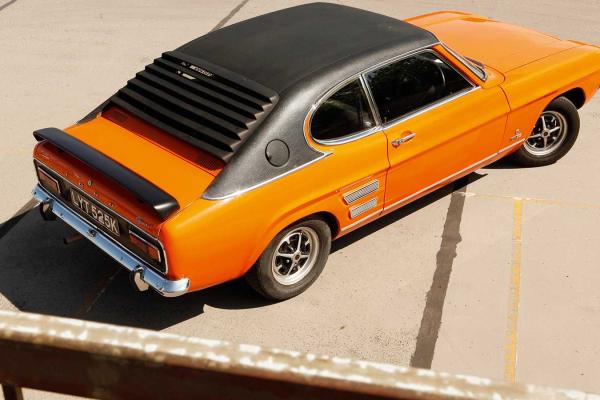
Vinyl roofs appeared on personal luxury coupes, family sedans, muscle cars, economy cars and vehicles whose designers probably should have been allowed to stop several options earlier. Some coverings stretched from windshield to rear window. Others occupied half the roof, surrounded tiny opera windows or arrived with chrome bars pretending to be structural hardware.
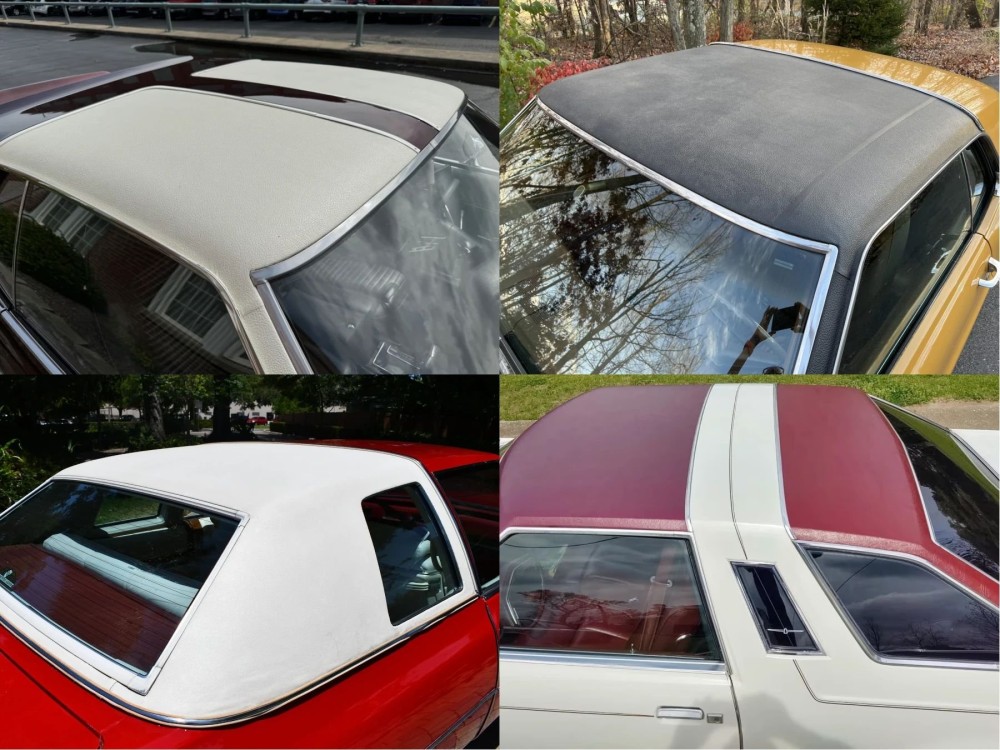
At their peak, these tops became so common that a bare painted roof could make an otherwise expensive car appear unfinished.
The roof was selling an illusion
The idea predates automotive vinyl. Early enclosed cars often used fabric, leather or leather-like material as a practical part of roof construction. Their bodies inherited techniques and visual cues from horse-drawn carriages, including padded coverings and folding mechanisms.
As all-steel roofs became normal, fabric coverings no longer had much work to do. They survived because they could make a fixed-roof car resemble something more expensive and exclusive.
Convertibles carried glamour, but they also brought compromises. Their folding roofs could leak, rattle and steal luggage space. Removing a car’s metal roof reduced structural rigidity and required additional reinforcement underneath. A hardtop covered in padded material offered the visual suggestion of an open car without any need to open.
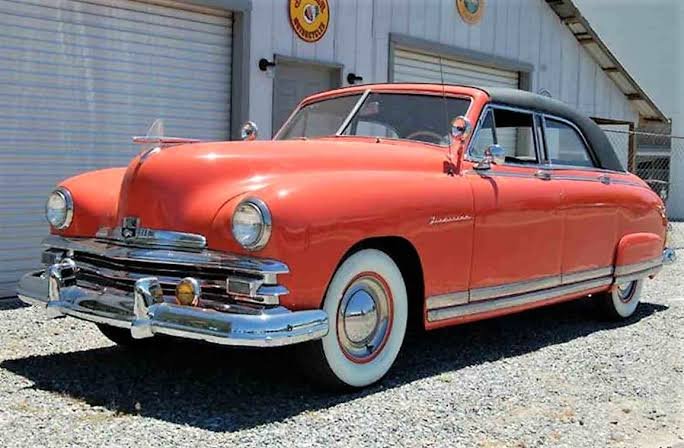
The 1949 Kaiser Virginian is often identified as an important postwar example. Its steel roof wore a padded nylon covering with seams arranged to imitate a convertible top. The effect was convincing enough from a distance, particularly alongside the Virginian’s slim window frames and wraparound rear glass.
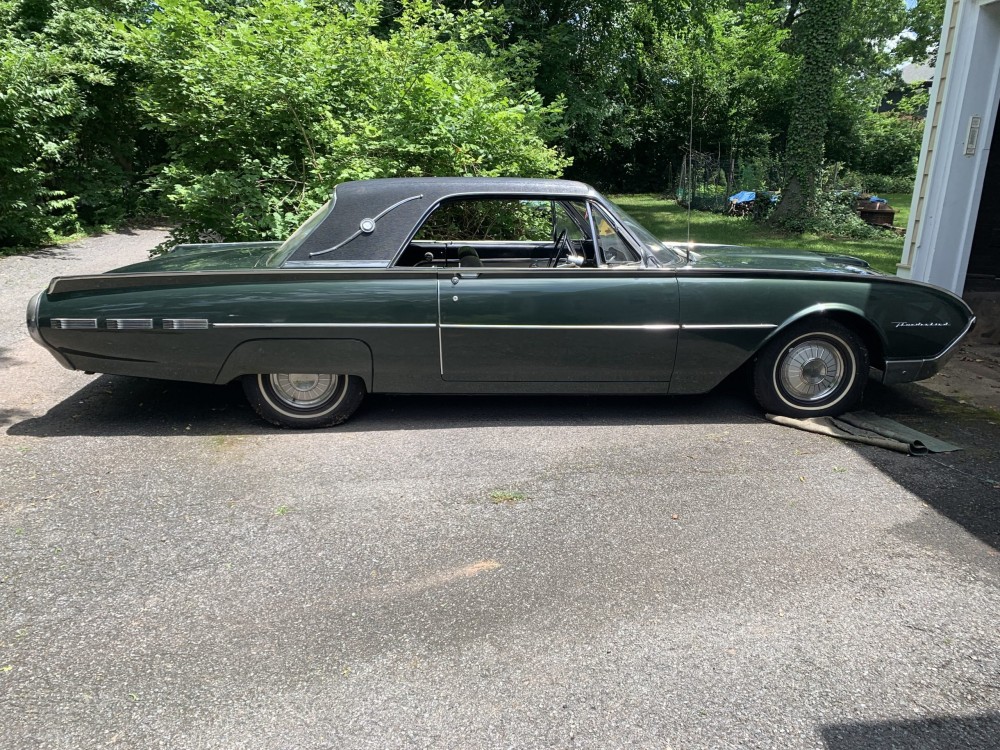
Other manufacturers explored similar treatments during the 1950s, but Ford helped push the idea firmly into the mainstream with the 1962 Thunderbird Landau.
The Thunderbird’s roof was covered in textured vinyl and decorated with an S-shaped chrome ornament on each rear pillar. These were called landau bars, a name borrowed from horse-drawn landau carriages, where hinged bars formed a real part of the folding-roof mechanism.
On the Thunderbird, they folded nothing. They existed because they looked expensive.
Buyers loved the result.
Once vinyl arrived, it spread everywhere
The Thunderbird Landau helped establish vinyl as shorthand for luxury. Manufacturers quickly discovered that the same treatment could make an ordinary model appear more formal for relatively little production cost.
By the late 1960s, vinyl tops were available across much of the American market. A buyer could order one on a Cadillac, Mustang, Dodge Dart or family sedan. By 1972, even the humble Ford Pinto could wear vinyl.
Manufacturers did not limit themselves to black.
White, tan, green, blue and burgundy coverings became common. Some reproduced the grain of leather or canvas. Chrysler offered patterned “Mod Tops” in the late 1960s and early 1970s, including floral and paisley designs that made the roof resemble fashionable upholstery.
The full vinyl roof eventually produced several relatives.
A landau roof usually covered the rear portion of the top, reinforcing the suggestion that the car had a folding rear section. A canopy top covered the front portion instead. Padded carriage roofs used additional material and visible seams to create an even softer, more coachbuilt appearance.
Opera windows completed the look. These small side windows appeared in thick rear pillars, often surrounded by vinyl and trim. They rarely improved visibility, but they gave passengers the atmosphere of travelling inside a private railway compartment.
Vinyl could also help separate trim levels. The same basic body might serve as a fleet sedan, a family car and a luxury model. Add a padded roof, a few badges and enough chrome, and the expensive version looked considerably more important in the dealership.
Some custom-built limousines and hearses received vinyl for a more practical reason. Their bodies were often lengthened, and the covering could conceal seams created during the conversion. That explanation is frequently applied to every vinyl-roofed car, but the factory trend was overwhelmingly about appearance.
The fashion changed, but the rust remained
By the early 1980s, automotive shapes were becoming smoother and more aerodynamic. Thick padding, upright opera windows and chrome landau bars looked increasingly awkward on bodies designed for cleaner airflow.
The redesigned 1983 Ford Thunderbird illustrated the change. The same model that had helped popularize the vinyl roof two decades earlier now adopted a sleek shape that worked better with painted metal.
Vinyl options gradually disappeared from mainstream factory catalogues. Aftermarket carriage roofs remained available, particularly on American luxury sedans, but they increasingly appealed to a narrow and older audience.
The covering also developed an unfortunate reputation among restorers.
A properly installed and maintained vinyl top can survive for years. Trouble begins when seams shrink, edges lift or trim clips allow water underneath. Moisture trapped against the steel roof may remain hidden while corrosion quietly spreads.
Bubbles beneath the material deserve attention. So do stains around the window trim, swelling at the roof edges and rust appearing inside the upper window openings. A covering that looks fresh can occasionally hide repairs, filler or corrosion, making documentation particularly useful when buying a classic.
Removing the vinyl provides the only complete view of the metal beneath it, but that is rarely possible during a casual inspection. Looking carefully around every seam and trim piece can still reveal whether the roof is merely decorative or performing a second job as a very large bandage.
So why did cars have vinyl roofs? They offered the image of a handcrafted convertible without its folding mechanism, gave manufacturers an easy way to create a luxury model and suited an era that considered ornamentation a virtue.
The fashion eventually passed. The strange vocabulary it left behind, from landau bars to opera windows and Mod Tops, makes the cars considerably more interesting today.