Why China's $10,000 EVs (Like BYD Seagull) Won't Sell for That Price in the U.S.
by AutoExpert | 12 December, 2025
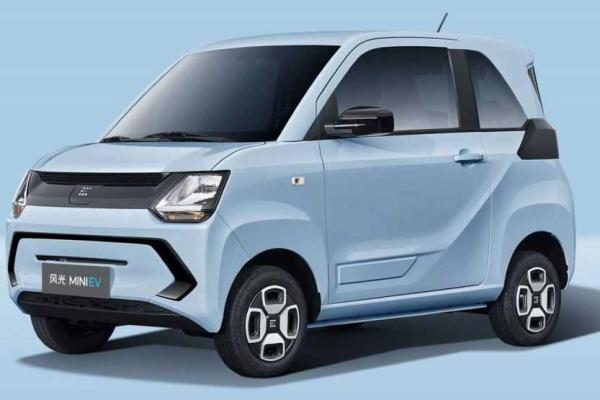
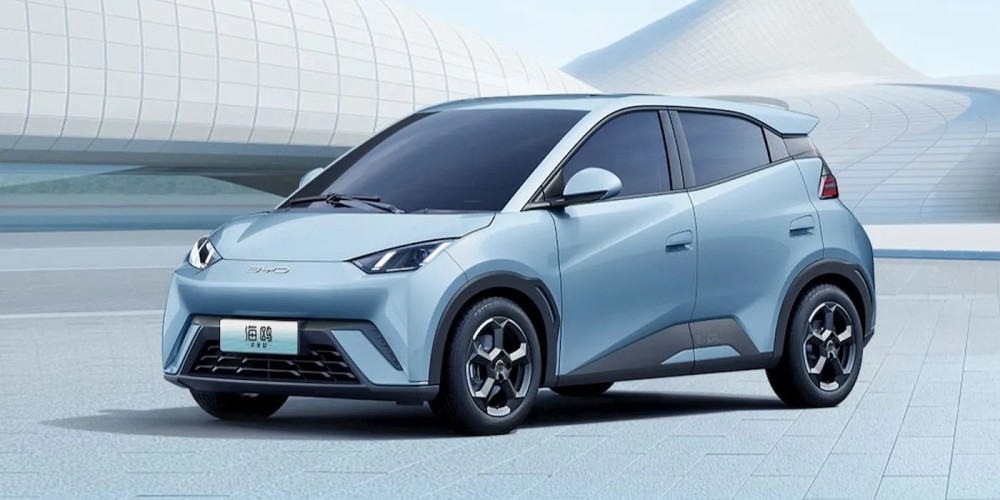
The idea of a brand-new electric car for ten grand sounds incredible. In China, it’s real — drivers there can hop into something like BYD’s Seagull for less than the price of many used Civics. Meanwhile, Americans are still staring at EV stickers that start closer to $30,000. The obvious question: Why can’t we get those bargain EVs here?
Short answer: price drops in China aren’t magic. They’re the product of huge government subsidies, different safety rules, and economics that just don’t translate to the U.S.
China’s cheap EVs are cheap for a reason
Companies like BYD didn’t suddenly discover a secret manufacturing formula. China has poured billions of dollars into EV makers — BYD alone has reportedly received at least $3.7 billion in government support. That’s how a fully functional EV can retail for $10,000 and still make business sense. Without those subsidies, the numbers fall apart quickly.
U.S. tariffs make everything more expensive
Even if Chinese EVs were allowed into the American market — they currently aren’t — the math gets ugly fast. Cars built in China face a 100% tariff when imported. So a $10,000 Seagull becomes a $20,000 Seagull before it even ships across the ocean. And that’s before dealer costs, labor, transport, compliance testing, or anything resembling profit.
Safety rules would add even more to the price
Chinese EVs aren’t built to U.S. crash standards. Why would they be, if they can’t be sold here? When an American engineering firm tore down a BYD Seagull, it estimated that bringing it up to U.S. requirements would add at least $2,000 more per car — and that’s the conservative number. Testing alone costs millions.
Remove the subsidies, add the tariffs, add the compliance upgrades — and suddenly that “$10,000 EV” is knocking on the door of $30,000.
Logistics and dealer networks aren’t cheap
Selling a car in China is easy when the factory is practically next door. Selling one in the U.S. means shipping thousands of cars across the Pacific, building a dealer network or partnering with one, training service techs, hiring staff, marketing, and handling warranties. All of that gets passed on to the buyer.
The final question: Would Americans even want one?
Even if a cheap Chinese EV somehow survived the gauntlet of tariffs and regulations, U.S. buying habits pose another hurdle. Americans aren’t big on tiny urban runabouts. The BYD Seagull is roughly the size of a Fiat 500e — and that car struggles to sell even at $30,000.
Add in the Seagull’s modest specs — 75 horsepower and around 190 miles of range — and many buyers would still choose a used Accord or Camry. For the same price, they get space, reliability, and a car that fits U.S. roads and lifestyles better.
The reality
The mythical $10,000 EV works in China because the entire system is engineered to make it possible — financially, politically, and culturally. The U.S. has a completely different set of rules, costs, and buyer expectations. Even if a Seagull-like EV landed here tomorrow, the price tag wouldn’t survive the journey.
So while a ten-grand EV sounds great, Americans shouldn’t expect to see one in showrooms anytime soon.