Why Chevy Still Uses Pushrod V8 Engines (LS, LT): Simple Reliability and Low-End Torque
by AutoExpert | 24 November, 2025
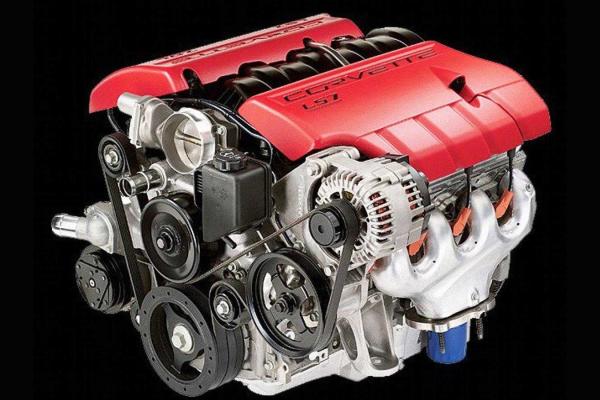
Chevy has made its share of questionable decisions over the years, but its small-block V8s? Those are sacred territory. From classic LS engines to today’s LT lineup, Chevy’s V8s have powered everything — factory performance cars, tuner builds, off-road swaps, hot rods, you name it. And through it all, Chevy has stuck with something most other automakers ditched long ago: pushrod engines.
While brands around the world moved to overhead-cam setups, Chevy kept the old-school overhead-valve design alive. And surprisingly, it still works.
The simple truth: pushrod engines are… simple
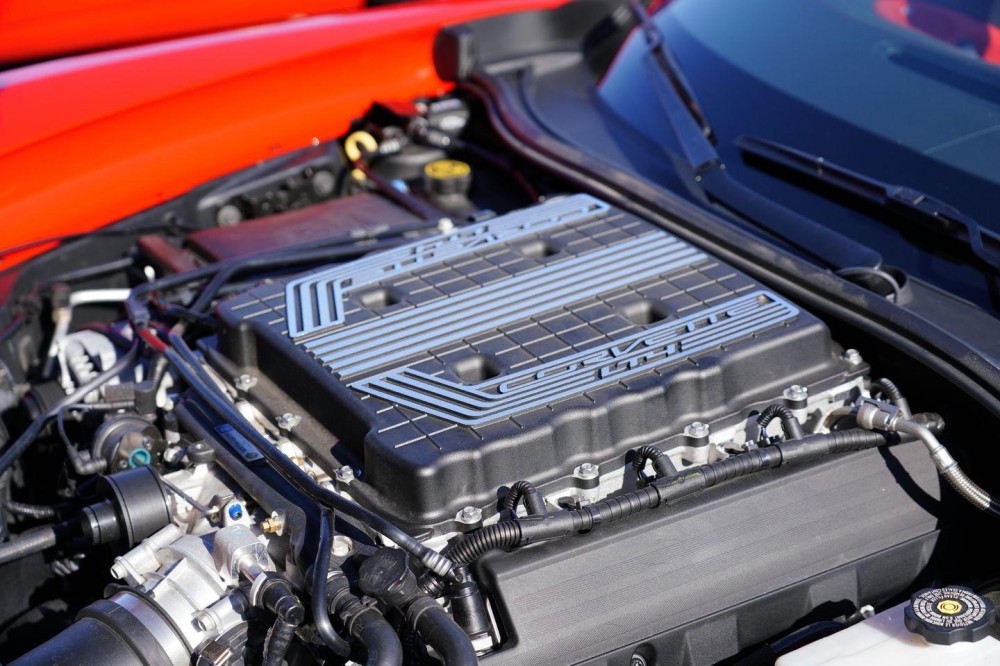
Pushrod engines don’t have all the extra hardware that comes with SOHC and DOHC designs. Fewer parts mean fewer things to break, which is a big reason these engines are famous for taking abuse — especially in builds where people throw massive power at them. That mechanical simplicity is also why LS engines became the go-to swap for half the U.S. tuning scene.
But reliability isn’t the only reason Chevy still uses them.
Where pushrods shine
Pushrod V8s make great low-end torque, which is exactly what trucks need. That’s why Chevy’s modern Silverado still offers pushrod EcoTec V8s — they deliver the grunt early, not way up high in the RPMs.
Most pushrod engines use two valves per cylinder, which helps move air quickly at low revs. More air means more punch off the line. The trade-off? They’re never going to spin to the screaming, high-RPM redlines you see in overhead-cam engines. That’s not their personality.
Pushrods also lag behind when it comes to modern engine tricks — things like super-high rev limits, complicated valve timing, or squeezing huge horsepower out of tiny displacement.
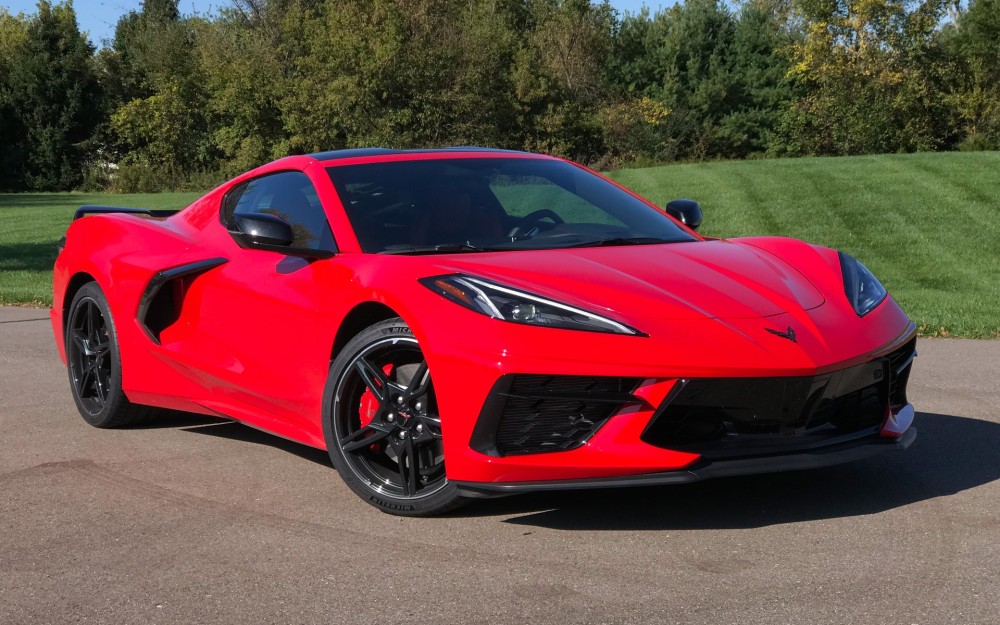
But for what they’re built to do, they still deliver. That’s why Chevy didn’t think twice about putting a pushrod V8 — the LT2 — in today’s base Corvette Stingray.

So why keep them?
Because for Chevy’s biggest audiences — truck buyers, performance fans, engine swappers — pushrods still check all the right boxes: strong torque, proven reliability, low complexity, and big V8 character.
It’s old school for sure, but in Chevy’s world, old school still gets the job done.