
When Should Seniors Stop Driving? Safety Signs & 2025 Rules

by AutoExpert | 19 December, 2025
At some point, almost everyone asks the same uncomfortable question: When is it time to stop driving? And the honest answer is… there isn’t a number.
Getting older changes things. Reaction times slow. Vision gets fuzzy at night. Traffic that once felt manageable suddenly feels exhausting. For some people, driving stays easy well into their 70s or even 80s. For others, it starts feeling stressful much earlier. Age alone doesn’t decide it — ability does.
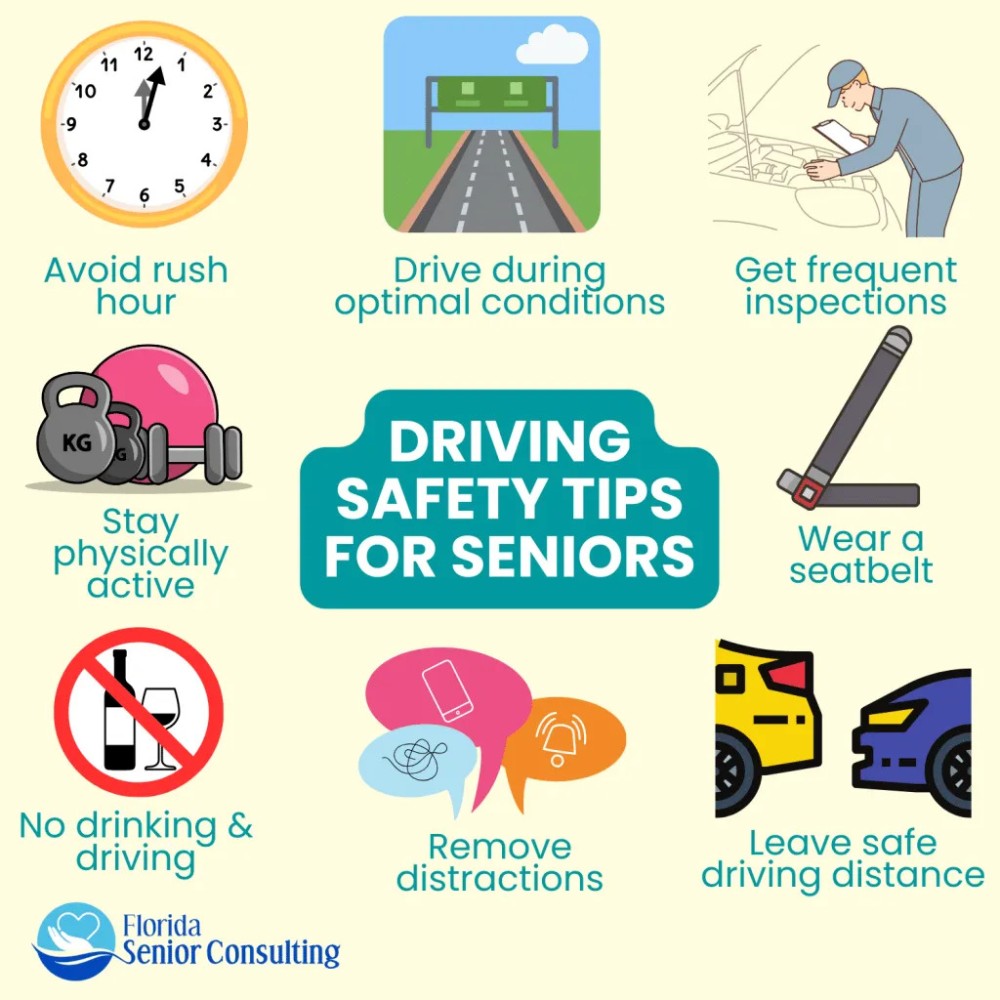
Doctors have been pretty clear about this. There’s no universal cutoff where someone should automatically hand over the keys. What they do say is that around 70 is usually when it’s smart to start paying attention. Not panicking — just noticing. Little things tend to show up first. More close calls. Getting honked at more than usual. New scratches on the car with no memory of how they got there. Friends offering to drive instead of accepting rides.
By the time someone reaches their 80s, crash risk jumps noticeably. That’s when conversations get harder, but also more necessary.
The law doesn’t give much clarity either. There’s no national rule for older drivers. Every state handles it differently. Some ask for vision tests more often. Some want drivers to renew licenses in person. Florida doesn’t step in until 80. Other states start much earlier. None of it means someone is automatically unsafe — it just means the system is trying (sometimes clumsily) to keep roads safer.
The bigger issue is that driving isn’t optional for most Americans. A huge number of older adults live in places where buses don’t exist, ride-shares aren’t practical, and family isn’t nearby. For them, giving up the car isn’t just about safety — it’s about losing independence.
That’s why this topic is so emotional. It’s not really about driving. It’s about freedom.
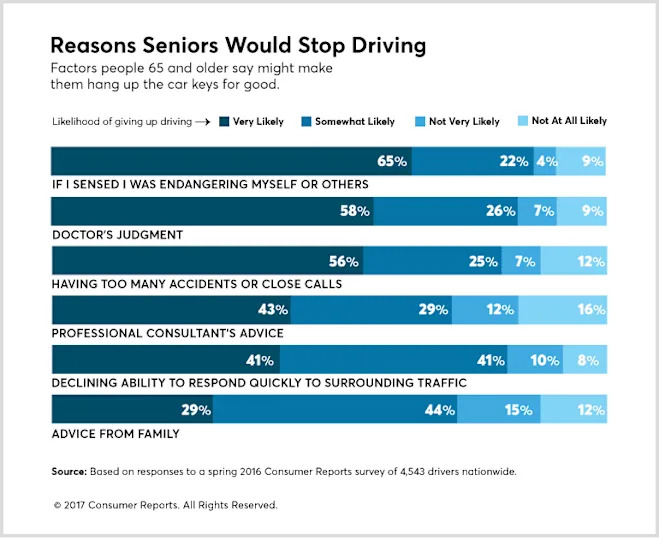
There’s also a lot of noise online about “new senior driving laws,” most of which just isn’t true. The reality is simpler and messier. Some age-based rules already exist. More may come. But no law can replace honest self-awareness — or a gentle, respectful conversation when someone clearly isn’t as comfortable behind the wheel anymore.
So how old is too old to drive?
There’s no birthday that answers it. The real question is whether driving still feels safe — for the person behind the wheel and everyone around them.