
What Is MPGe? Understanding EV Efficiency the Easy Way
by AutoExpert | 12 May, 2025
Ever stared at an electric car's window sticker and thought, "What on earth is MPGe?" You're not alone. This head-scratching number shows up on every EV and plug-in hybrid, but nobody really explains it. Let's fix that.
MPGe: The Awkward Teenager of Efficiency Metrics
MPGe (miles per gallon equivalent) is basically the EPA's attempt to compare apples to oranges – or rather, electrons to gasoline. They cooked up this measurement back in 2010 when the Nissan Leaf and Chevy Volt were new kids on the block.
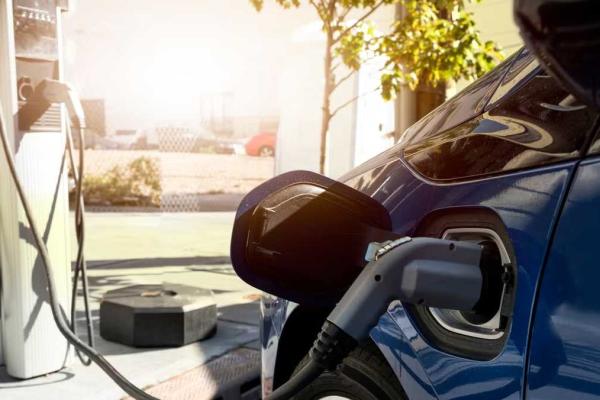
The magic formula? The EPA decided 33.7 kilowatt-hours of electricity equals one gallon of gas. Why that number? Honestly, it's just the energy equivalent. But real-world driving rarely matches these perfect-world calculations.
PHEVs Playing Both Sides
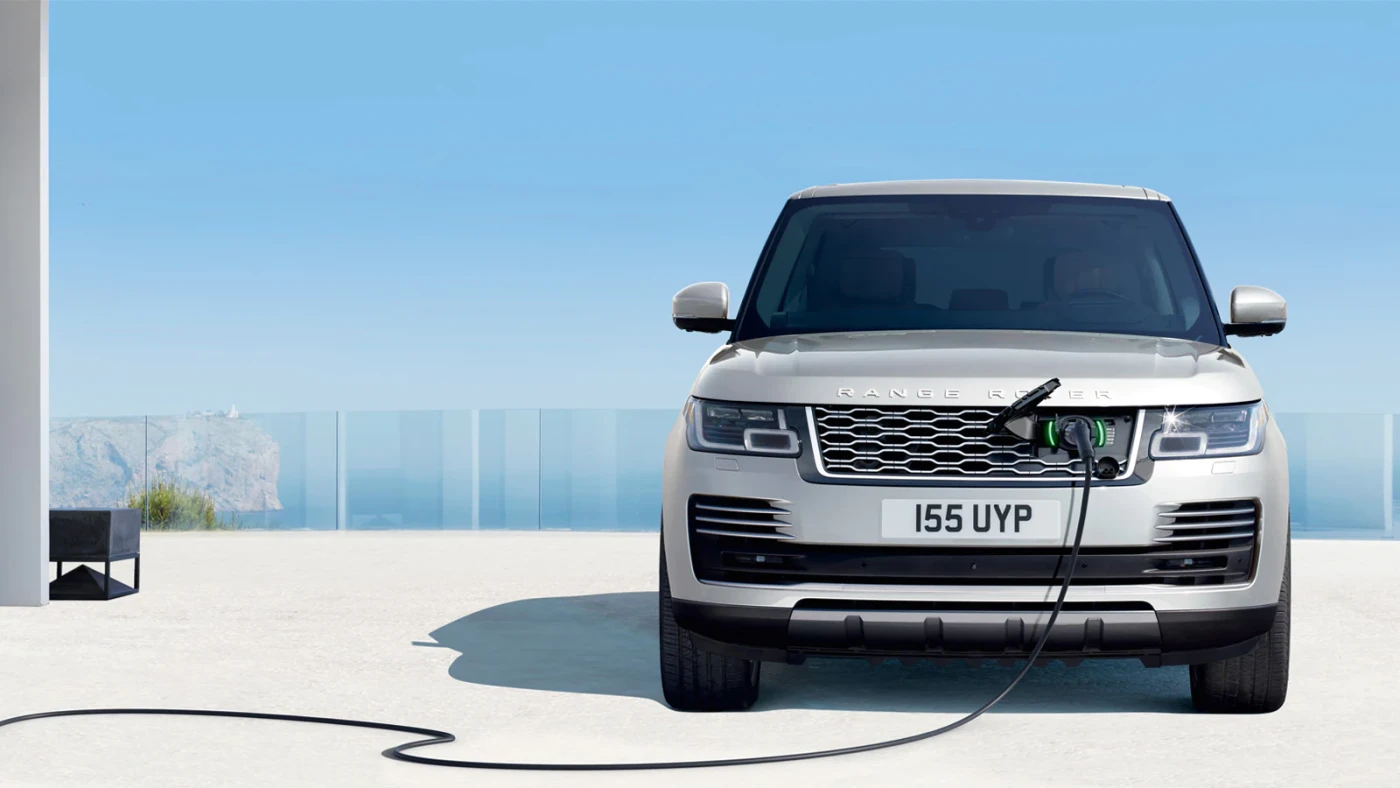
Plug-in hybrids are funny – they get two efficiency ratings because they're living a double life with both electric motors and gas engines.
Check out the 2025 Kia Niro Plug-In:
- Running on gas and electricity: 108 MPGe
- Just gas? 48 MPG
That first number looks way more impressive on marketing materials (shock!), but you'll only see it if you're religious about plugging in.

The Truth About Those Shiny Numbers
Let's be real – MPGe ratings are like dating profile pics. They show the absolute best-case scenario.
Cold weather? Your range tanks. Cranking the heat? Watch that efficiency plummet. Lead foot on the accelerator? Good luck hitting anywhere near those window sticker numbers.
Many EV experts are pushing for miles per kilowatt-hour instead, which would be like knowing a car's actual fuel consumption rather than how far it goes per tank. Way more useful in real life.
The "Good" Numbers Club
So what's impressive in MPGe-land? It totally depends on what you're driving:
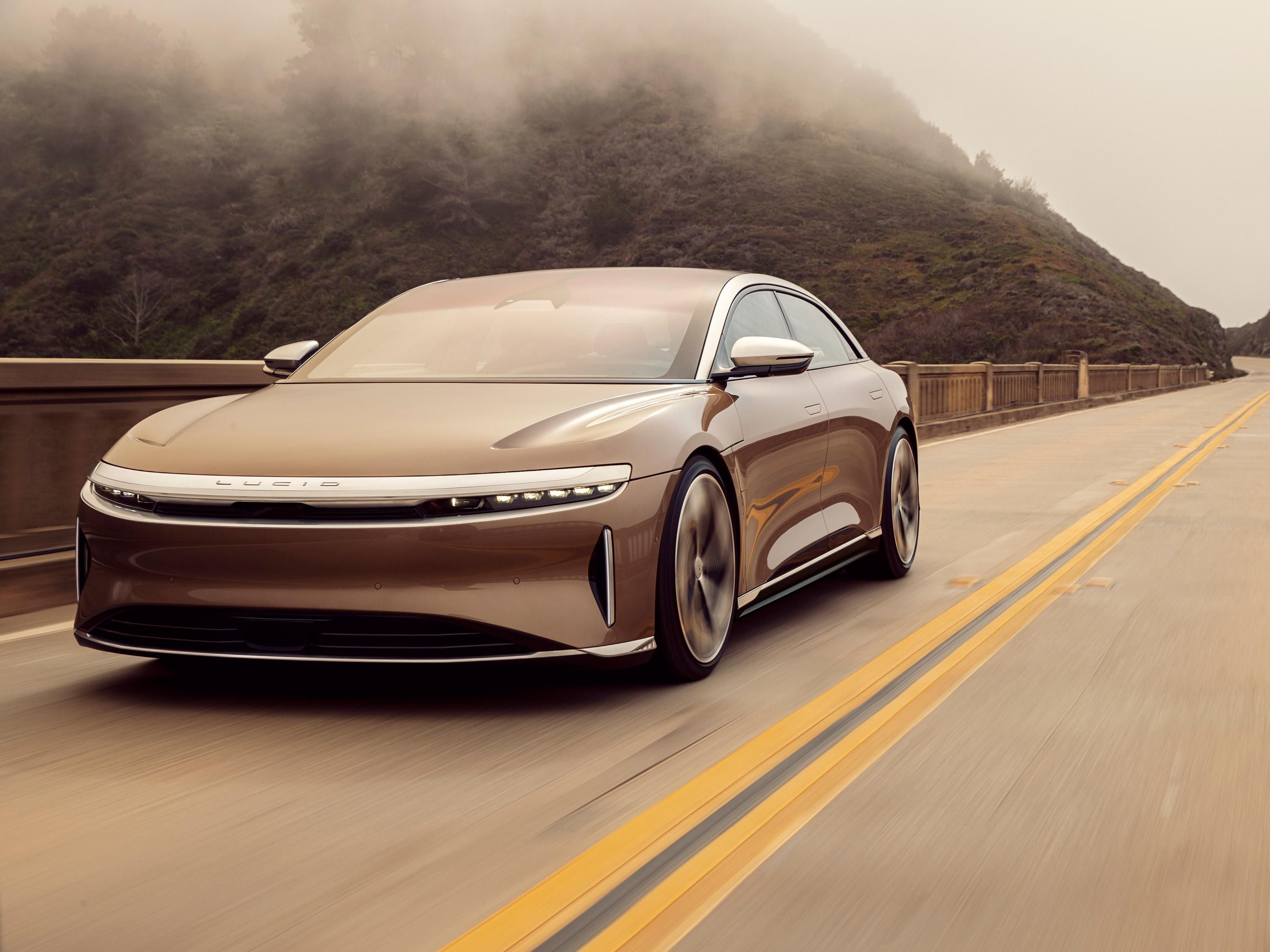
- The sleek Lucid Air sedan hits a jaw-dropping 146 MPGe
- Tesla's popular Model Y crossover manages 125 MPGe
- Even the family-hauling Chrysler Pacifica minivan plug-in reaches 82 MPGe
Just remember to compare within classes – a big luxury sedan getting 88 MPGe might actually be less efficient than a compact car with 110 MPGe.

Bottom Line
MPGe is a decent starting point when EV shopping, but don't get hung up on it. It's just one piece of a much bigger puzzle that includes range, charging speed, and whether the car actually fits your lifestyle.
And hey – at least now you know what those weird numbers mean. That's half the battle, right?