
Volvo Once Sold a Car Key That Could Warn You About Someone Hiding Inside
by AutoExpert | 28 October, 2026
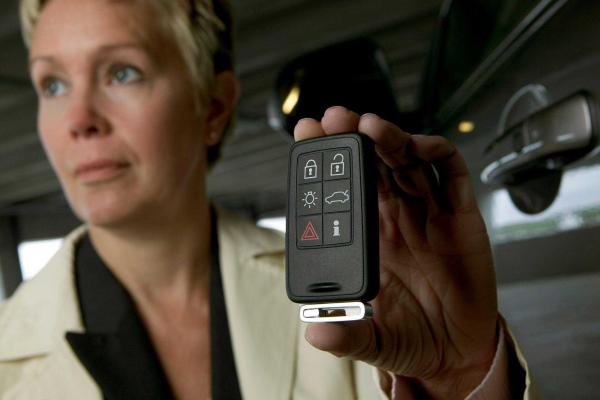
Volvo’s optional Personal Car Communicator could display the car’s lock and alarm status on its key fob. Equipped vehicles also had a heartbeat sensor that could warn an approaching owner that someone might be inside after an alarm event.
The ordinary car key has a fairly modest job description. Open the doors, start the engine and, occasionally, help its owner find the car by making the indicators flash.
Volvo gave one rather more responsibility.
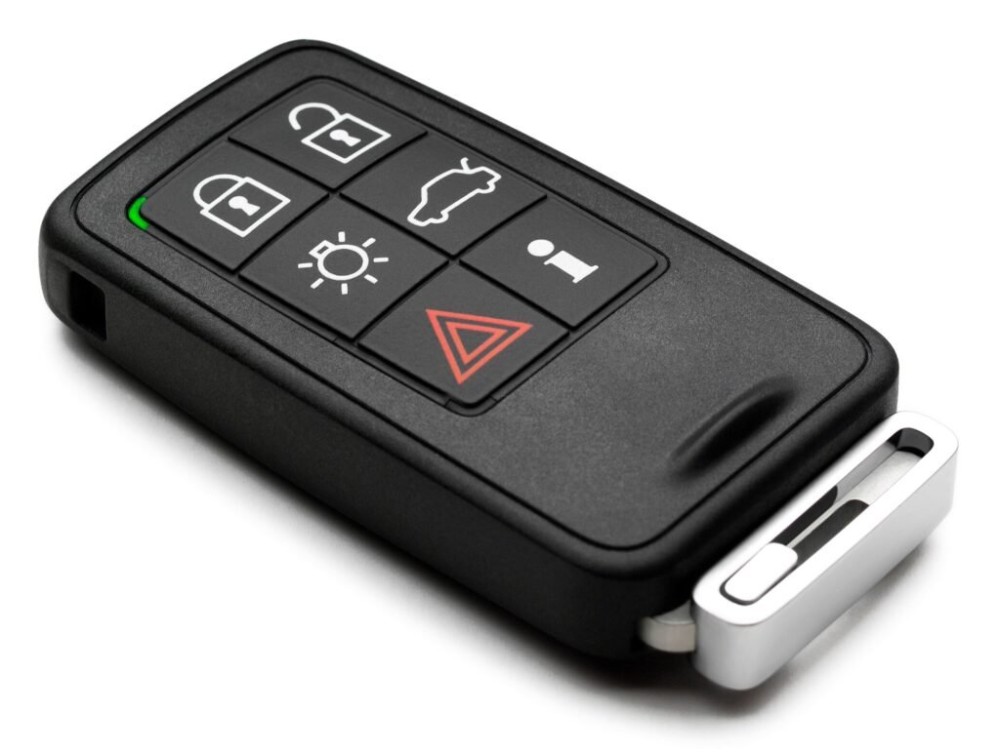
With the Personal Car Communicator, owners could press an information button and check the car’s security status through lights on the fob. It addressed that familiar moment halfway across a car park when the memory of locking the doors suddenly becomes unconvincing.
But alongside the useful reassurance was a feature that sounded as though it belonged in a thriller: a heartbeat sensor.
Offered with the second-generation S80, the system could help warn an owner that someone might be inside the vehicle following an alarm event. The sensor was in the car; the key displayed the information. Two flashing red lights were the indication to pay attention to.
Volvo’s explanation was rooted in concerns about personal security. Its research had found that some drivers worried about approaching vehicles in dark, unattended parking areas, including the possibility that someone had hidden inside. Checking the key before reaching the door offered a way to obtain information from a distance.
That is a more specific purpose than the name might suggest. The car was not monitoring its owner’s health, and the fob was not searching the surrounding area for a pulse. This was vehicle-security equipment, intended to work under defined conditions.
The key could remember, too
The PCC also retained information about the car when it was parked. Within communication range, an owner could request a security update. Farther away, the stored information could help confirm whether the car had been locked when it was left. Those are different capabilities, something easily lost when the feature is reduced to “a key that checks your car.”

Volvo’s June 2007 UK announcement listed the PCC as an option on the S80, V70 and XC70. Equipment varied by market and specification, so an older Volvo with a similar-looking key should not automatically be assumed to have the heartbeat function.
For a used-car owner, the handbook is the place to identify the indicators and establish what is actually fitted. A warning that someone may be inside also deserves to be understood as a warning, rather than a precise identification of who or what the system has detected.
There is something distinctly of its time about the arrangement: no phone app, no animated vehicle on a screen, just a button and a few lights on the key. Most of the information was reassuringly mundane. Whether the doors were locked was probably what owners checked most often.
The possibility of an unexpected occupant made those two red lights rather harder to forget.