Vintage Car Enthusiasts: Celebrating the Charm of Wind-Up Windows

by AutoExpert | 13 February, 2025
Ever wonder what's the most underappreciated part of old cars? Sure, there's a bunch of stuff in those vintage rides we might not miss today. But let me tell you about a little piece of mechanical genius: the wind-up window.
Old-School Cool: Wind-Up Windows
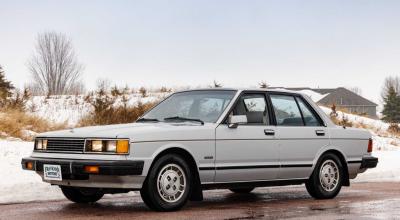
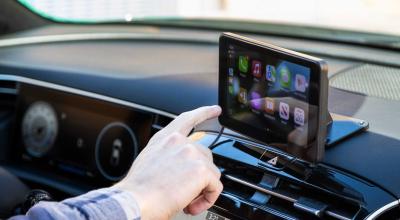
Remember when cars had real buttons instead of touchscreens? There's just something irresistibly cool about the tactile feel of physical controls. And it seems I'm not alone in this nostalgia. In a piece I wrote about the charms of old cars, many echoed my sentiments, particularly about one standout feature—those manual windows.
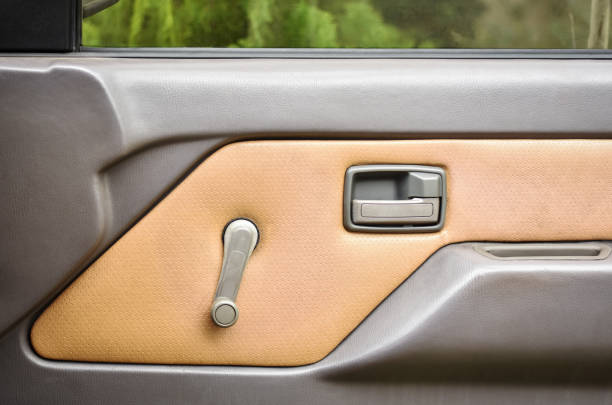
"I genuinely love driving my old cars. My Alfa and ancient Beetle just have the essentials—wipers and lights. No annoying beeps or flashy warnings, and definitely no smudges on a screen trying to get something to work. Those hand-wound windows are just perfect," one reader shared.
Another classic car aficionado told me, "I've driven loads of vintage cars and never missed having heated seats or fancy interior lights controlled by a touchscreen. I adjust my seat manually, steer the car myself, and use a simple handle to roll down the window. It's straightforward and distraction-free."
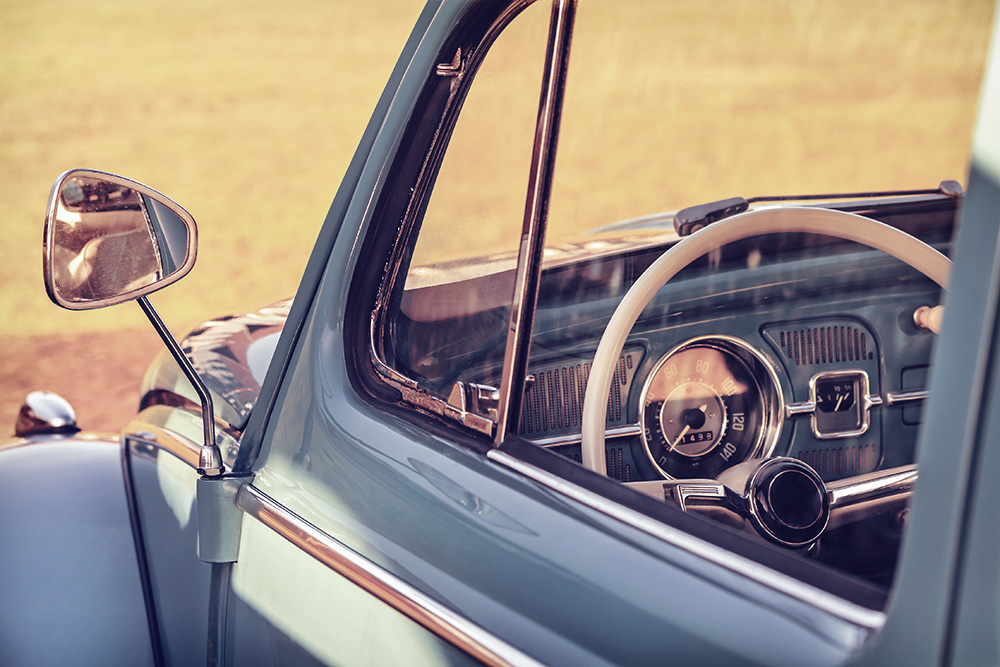
Even Barry Hall, an AFL legend and classic car enthusiast, chimed in during an interview, saying the thing he misses most in modern cars is the window winders. "There's something satisfying about manually rolling down a window. I’ve taken apart a few, and they’re ingeniously simple yet effective for their time."
How Do Wind-Up Windows Work?
The genius of wind-up windows lies in their simplicity. Inside the door, there’s a small gearbox at the end of the window handle, meshing with another gear. This setup includes a ring and a worm gear that prevents anyone from just pushing the window down from outside.

A second gear operates two pivoting shafts that move in a scissor motion inside the door. These arms push and pull the glass along a track, ensuring it moves smoothly up and down. A spiral spring on the shaft helps keep the window in place, using tension to ease the window back up after winding it down.
It’s a design that works so well, it’s like the Swiss watch of car parts—complex in its precision but simple in action. Over the years, improvements in gear ratios have made these windows feel almost weightless.

A Brief History of Window Winders
The tale of the wind-up window is somewhat murky. The first mass-produced car, the Ford Model T, had manual windows, but they were strap-operated rather than cranked. The first true crank-operated window appeared in the 1915 Packard Twin Six. This system was simple—just a couple of gears and a chain that a driver turned by hand to raise the window. But this setup was noisy and limited; the window had to be fully up or down.
Then came Max Brose, a German inventor, who in 1926 patented a crank drive that could hold the window at any height, a revolutionary improvement over the chain drive. His "Atlas window crank apparatus" was a hit, and soon manufacturers like Daimler and Volkswagen were using it. By 1928, Brose’s company was booming, pulling in the equivalent of about one million euros.

When power windows arrived in the 1940s, it seemed manual windows might fade away. Yet, they’ve persisted, especially in models like the Toyota 70 Series LandCruiser, where even the latest base model still features manual windows. While it might initially seem like a cost-saving tactic, the truth likely lies in marketing strategies—differentiating models to appeal to diverse buyers.
Despite the advancements in technology, there’s a chance that manual windows might soon become as nostalgically cool as vinyl records and cassette tapes. They represent a simpler, more tactile era of automotive design that many still appreciate today.
.jpg)
So, next time you roll down a window manually, take a moment to appreciate this clever design that's stood the test of time.