VIN Verification: Your Shield Against Used Car Scams
by AutoExpert | 23 June, 2025
Car scams are everywhere these days, especially when buying used cars online or from out of state. Crooks are getting creative with VIN fraud – cloning numbers from legit cars, washing titles by moving vehicles across state lines, or straight-up altering VIN plates. That's why getting a proper VIN verification has become so important.
What's a VIN Verification Anyway?
Don't confuse this with those online VIN history reports you can buy. A VIN verification is the real deal – it's when an actual person physically inspects your car to make sure the VIN stamped on it matches what's on the paperwork.
Most states require this when you're registering a car you bought from another state. Makes sense, right? They want to make sure you're not unknowingly driving around in a stolen ride or something that's been through a chop shop.
How It Actually Works
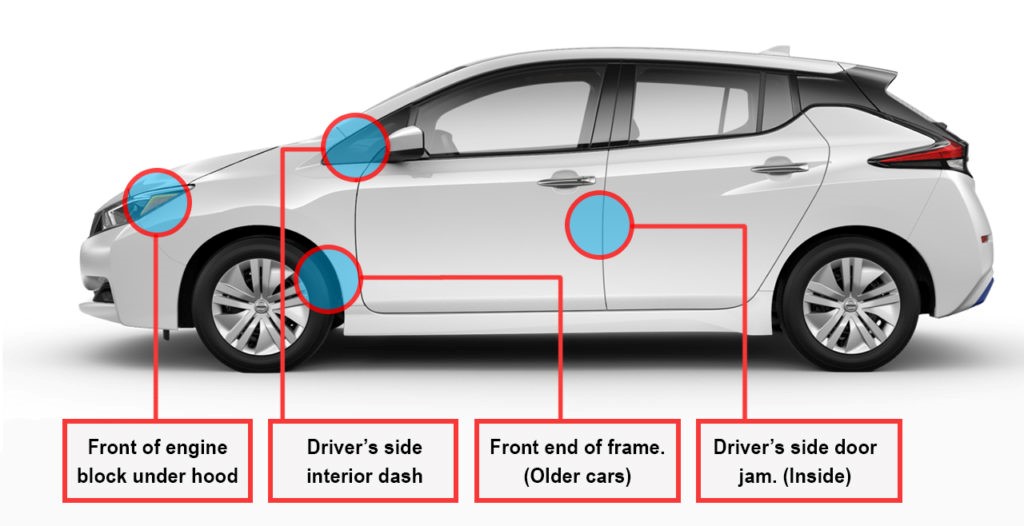
An authorized inspector (could be a cop, DMV employee, or certified mechanic) will check all the spots where your VIN might be stamped – dashboard, door jamb, engine block, you name it. They're looking for signs someone messed with it, like scratches, mismatched fonts, or plates that look like they've been glued on.
Once they confirm everything matches and looks legit, they'll sign off on a form that you'll need to submit with your registration paperwork. The whole thing usually costs between 10 and 50 bucks, though some places do it for free.

Where You Need One
About half the states require VIN verification for out-of-state vehicles. California, Florida, Texas, Colorado – the big ones mostly require it. Each state has its own form, but the process is pretty similar everywhere.
Some states like Alabama, Georgia, and Michigan don't bother with it for regular registrations, but they might still want one if your car has a salvage title or was imported.
When Things Go Wrong
If the VIN doesn't match the paperwork, that's bad news. Like, really bad. It usually means the car's stolen or someone's been playing games with the numbers.
If this happens, don't try to register the car anyway – that's asking for trouble. Call the cops, contact whoever sold you the car, and probably get a lawyer if things get messy. And definitely don't drive the thing until it's sorted out.
What Gets a Pass
New cars from dealers usually don't need verification since they come with manufacturer certificates. Same goes for cars that are just changing hands within the same state – the DMV already has all that info on file.
Some states also give passes to farm equipment, antique cars, or motorcycles, but it varies a lot depending on where you are.
Bottom Line
Getting a VIN verification might seem like a pain, but it's way better than finding out later you bought a hot car. Most of the process is pretty straightforward – just make sure you know what your state requires before you start shopping for that out-of-state ride.