Unusual Side Hustles of Car Giants: From BMW Bobsleds to VW Sausages
by AutoExpert | 14 March, 2025
We all know what Toyota, BMW, and Volkswagen do best - they make the cars we drive every day. But it turns out these automotive giants have some pretty surprising side hustles. From Olympic sports equipment to household appliances, these car manufacturers have branched out in ways you'd never expect. Here's a look at some of the wildest non-car products coming from the world's biggest auto companies.
BMW - Sleek Bobsleds for Olympic Glory
Who knew that the same company designing luxury sedans was also helping athletes slide down ice tracks at breakneck speeds? Back in 2012, BMW raised eyebrows when they announced they'd be creating bobsleds for the US Olympic team at the 2014 Winter Games in Sochi.
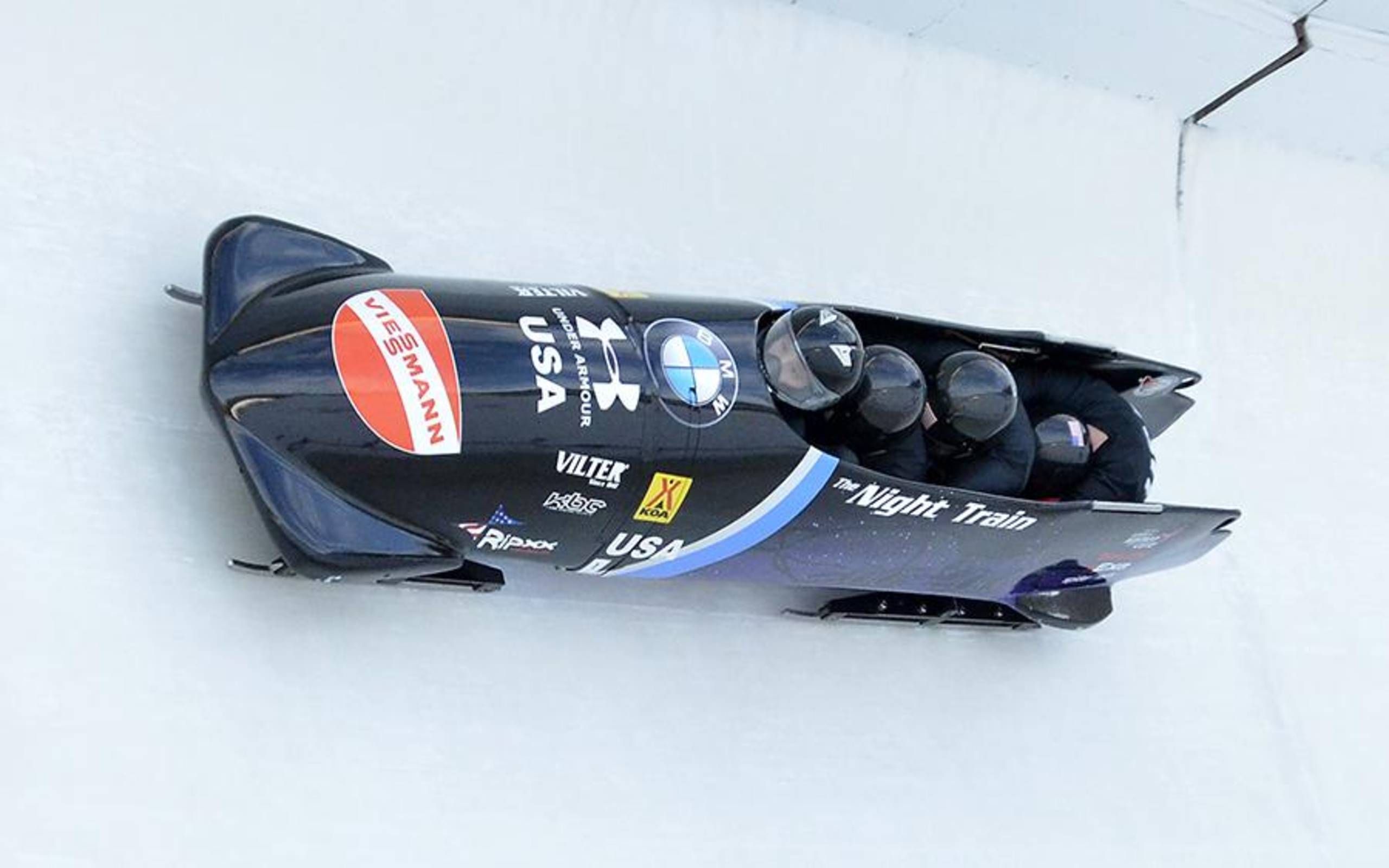
Actually, it makes perfect sense when you think about it. BMW took its EfficientDynamics know-how and applied lightweight materials and aerodynamic wizardry to create cutting-edge sleds. The partnership paid off instantly - Team USA walked away with three medals, including silvers in both men's and women's events and a bronze in the women's competition.
Ford - Switching from F-150s to Ventilators
When COVID-19 hit, car factories around the world faced a choice: shut down or retool. Ford chose to step up in a big way. During the pandemic, they transformed production lines on both sides of the Atlantic to manufacture desperately needed medical equipment.
In the UK, Ford's Dagenham facility pivoted to making component boxes and display screens for ventilators in just three weeks - a process that would normally take a full year. Meanwhile, in Michigan, they teamed up with GE Healthcare to mass-produce ventilators designed by Airon Corporation as hospitals faced overwhelming demand.

Honda - Robots That Mow Your Lawn
Honda's reach extends far beyond cars and motorcycles. From business jets to boat motors, they've got all kinds of transportation covered. But one of their most appreciated products might be the one that saves you from weekend yard work.
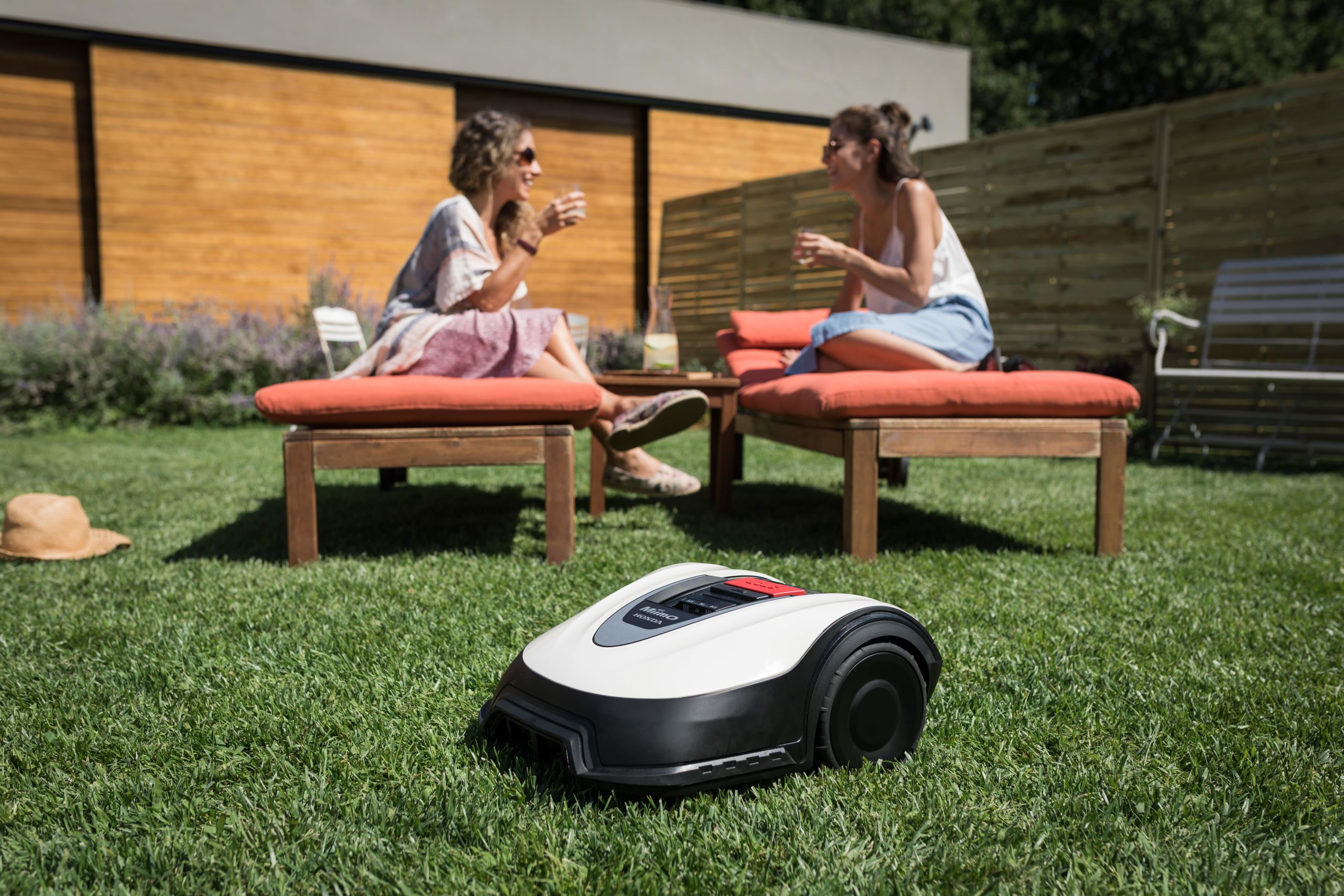
The company's Miimo robotic lawnmowers use advanced navigation technology, connectivity, and sensors to glide across lawns keeping grass perfectly trimmed while you relax. Just control everything from your phone and watch as your weekend chore list gets shorter.
Lotus - Olympic Gold Medal Bicycles
Lotus doesn't just make legendary sports cars - they've also conquered the world of competitive cycling. Their Lotus Engineering division has created some seriously impressive performance bicycles focusing on the same principles that make their cars special: weight reduction, advanced materials, and slippery aerodynamics.
Their greatest hit? The revolutionary Type 108 pursuit bike with its groundbreaking monocoque design and carbon-composite construction. This engineering marvel helped Britain's Chris Boardman pedal to gold medal glory at the 1992 Olympics. The tradition continues today, with Lotus developing new track bikes for Team GB riders at the upcoming Paris Games.

Nio - Making Phones That Talk to Cars
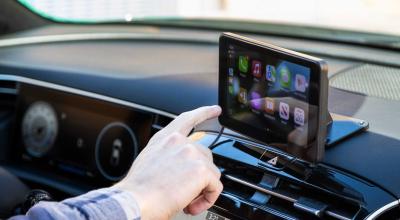
With cars becoming more connected by the day, Chinese EV maker Nio took the logical next step in 2023 by launching their own smartphone. But this isn't just another iPhone competitor - it's specifically designed to make controlling your Nio car easier than ever.
The aptly named Nio Phone lets owners open doors, adjust seats, control voice features, and operate in-car apps seamlessly. And yes, it makes calls too. This could be just the beginning of a trend, with other manufacturers like Polestar eyeing similar phone-car integration solutions.

Peugeot - Grinding Pepper Before Making Cars
Here's a fun fact: Peugeot made pepper mills nearly 50 years before they built their first car. While most Brits know Peugeot for its vehicles, in many countries they're equally famous for their iconic pepper and salt grinders.
It all started back in 1840 when Peugeot designed a coffee grinder. This led to a whole range of mills for grinding everything from pepper and salt to flower and sugar. To this day, authentic Peugeot pepper mills are still manufactured in Doubs, France, and exported to over 80 countries to grace dinner tables and fancy restaurants worldwide.

Subaru - Taking to the Skies
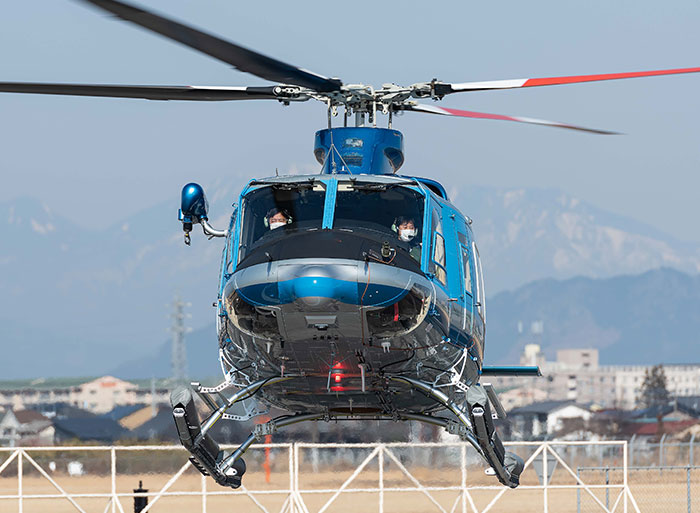
Subaru isn't just about all-wheel-drive cars and rally racing - they've got a serious aerospace division too. As part of the larger Subaru Corporation (previously known as Fuji Heavy Industries), they serve as a defense contractor for the Japanese government and produce Boeing aircraft under license.
They've also been making helicopters since 1960 in partnership with Texas-based Bell Textron. Their latest creation, the Subaru Bell 412 PX, has become a common sight in Japan, where local governments use it for emergency medical services, firefighting, search-and-rescue operations, and surveillance.
Toyota - Building Homes, Not Just Parking In Them
Cars might be the second biggest purchase after a home - but what if you could get both from the same company? In Japan, Toyota leverages its manufacturing expertise to offer a range of housing options alongside its vehicles.
The Toyota Home website showcases various dwelling styles, with the popular Sincé series featuring modular pre-fabricated homes built around rigid steel frames. While Toyota ships around 10 million vehicles globally each year, their annual house sales number just a few thousand - but it's still an impressive side business for the automotive giant.

Vauxhall - From Family Cars to Battle Tanks
Many car manufacturers have supported military efforts over the years, but one of Britain's most notable contributions came from Vauxhall during World War II. The government specifically requested Vauxhall produce the 38-ton A22 Infantry Tank, which became known as the Churchill.
Powered by a massive 350bhp, 21-liter, 12-cylinder engine that Vauxhall had previously developed, the Churchill tank went from design sketch to working prototype in just one year. Much of the testing happened at the Luton Hoo Estate, and the tank proved so successful that around 5,500 were produced before the war ended.

Volkswagen - Serving Up Millions of Sausages
Perhaps the most unexpected item on our list - Volkswagen makes sausages. And not just a few - at its peak, VW's currywurst was reportedly the company's biggest-selling product, with around seven million being consumed annually.
The spiced pork sausage has been around since 1973 when it first appeared in staff restaurants before making its way to select supermarkets. It's so officially part of the VW lineup that it even has its own part number: 199 398 500. The currywurst is such a beloved institution in Germany that former chancellor Gerhard Schröder publicly objected when VW removed it from a canteen menu in 2021 as part of a meat-free initiative. "If I were still on the supervisory board of VW there would have been no such thing," he posted. "Currywurst with fries is one of the [staples] of the skilled worker in production."

What's your favorite non-car product made by an automotive company? Does knowing about these side businesses change how you view these manufacturers?