Truck Windshields Are Straight: The Critical Safety Reason for Upright Glass vs. Slanted Cars
by AutoExpert | 11 November, 2025
Drive a sedan one day and hop in a big rig the next, and you'll notice the windshields are completely different. Most cars have windshields that lean back pretty aggressively, while semis and big motorhomes keep theirs almost totally upright. Turns out there's actually a safety reason for this, not just design preference.
When windshields are angled, you get visual distortion through the glass—that weird wavy effect. It gets worse the bigger the windshield is. Cars can pull off the slanted look because their windshields are smaller, so the distortion's not a huge deal. But semis? They've got massive pieces of glass up front, and those distortions can seriously mess with depth perception. When you're driving something that weighs 80,000 pounds, you really can't afford that kind of problem.
Big Glass Means Better Visibility
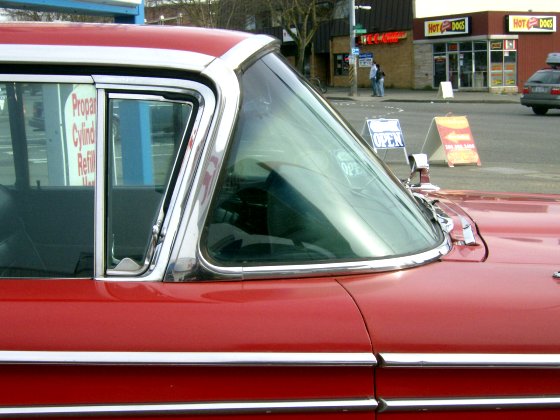
Trucks and buses need bigger windshields so drivers can actually see what's going on around them. A regular car windshield runs about 31 inches tall by 59 inches wide. A motorhome? Try 71 by 104 inches. And they keep them flat or nearly flat so drivers can see clearly from different angles without distortion messing things up.
Cars Go For Aerodynamics Instead
Slanted windshields help cars cut through air more efficiently. The engine's constantly fighting wind resistance, so anything that reduces drag makes a difference. Engineers have been wind tunnel testing since the late '20s and early '30s—you can see the evolution just by comparing a boxy Ford Model T to the way smoother 1934 Ford Model 40 Special Speedster.
Don't semis want better aerodynamics too? Sure, but not if it means they can't see properly. Instead, they use other tricks like curved cab roofs, trailer skirts, and those TrailerTail systems you see on the back of trailers to cut down on drag without sacrificing visibility.