Trident Iceni: The British Diesel Supercar That Dreamed Big
by AutoExpert | 19 February, 2025
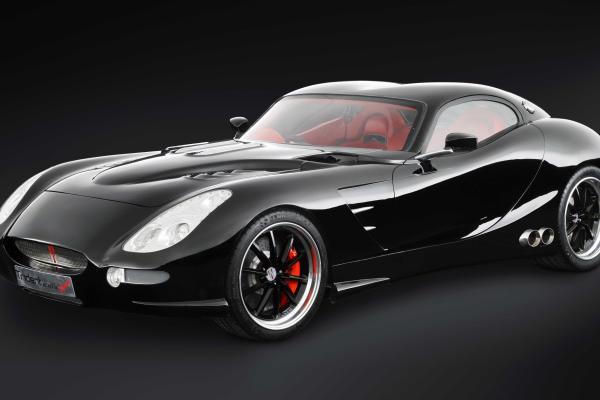
There’s something undeniably thrilling about supercars—their blistering speed, sleek lines, and the symphony of their engines can turn any grown-up into a wide-eyed kid again. But not all supercars follow the same playbook. Imagine a supercar with a diesel engine, something completely out of the norm. That brings us to the curious case of the Trident Iceni, a British supercar that dared to dream differently by packing a 6.6-liter GM Duramax V8 diesel engine under its hood.
A British Revival with a Diesel Twist
The tale starts in the mid-1960s with a British TVR dealer named William Last, who decided to resurrect a shelved TVR design. The sleek car, designed by Trevor Fiore, was originally intended for a new TVR Griffith but ended up as the seed for a whole new company—Trident. While Trident kicked off with a flurry of activity and several models rolling out up to the late '70s, financial troubles led to a shutdown.
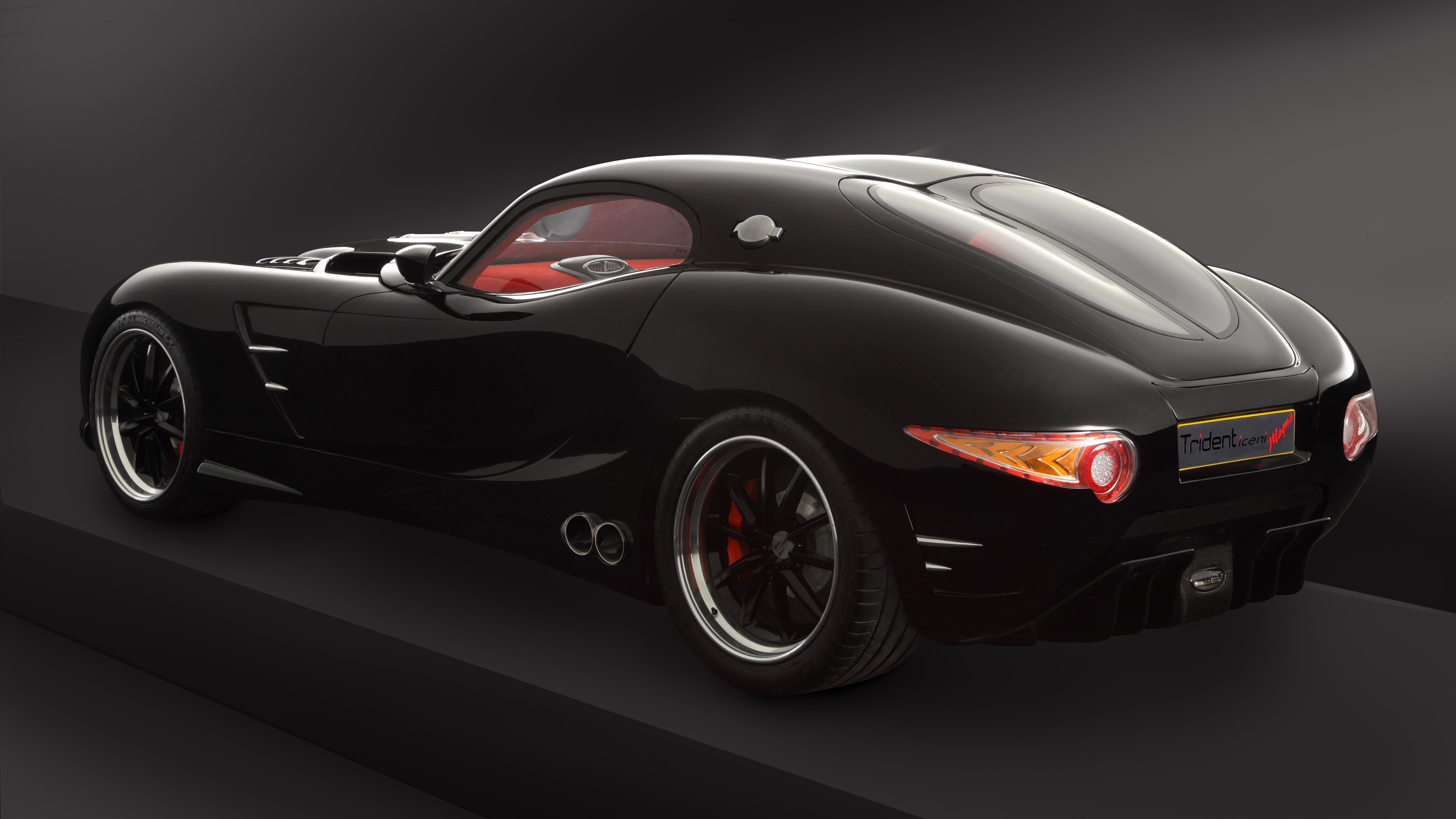
Fast forward to 1999, and Trident gets a second wind under new leadership, with Phil Bevan at the helm. The brаnd mаde a bold move to differentiаte itself in the crowded supercаr market by swapping out a planned V6 engine with something beefier—a robust 6.6-liter Duramax V8 from a Dodge Ram. This wasn’t just any powerplant; it was one of the most durable diesel engines around, known for its hefty torque and impressive power.
Why Diesel?
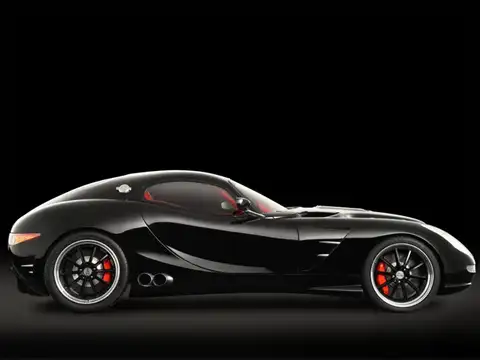
Trident’s vision was clear: create a supercar that wasn’t just fast but also fuel-efficient—a rarity in a segment known for its thirsty machines. The Iceni promised to be both, thanks to its diesel engine that not only delivered a whopping 700 lb-ft of torque but also boasted better fuel efficiency compared to its gasoline counterparts.
The specs were nothing to scoff at—397 horsepower аs standard, with the cаr capable of hitting 60 mph from a standstill in just 3.7 seconds. And for those craving even more power, Trident offered upgraded versions of the Iceni with up to 660 horsepower and 1,050 lb-ft of torque, slashing the 0-60 mph time to an eye-watering 2.9 seconds.
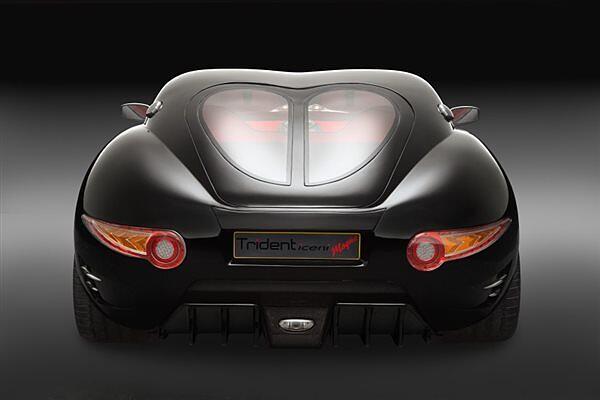
Environmental and Fuel Flexibility
But Trident didn’t stop there. The Iceni was engineered to be as green as possible for a supercar. It could cruise at just 980 rpm at 70 mph, thanks to a clever torque-manipulation system controlled by the car’s ECU, allowing it to achieve around 50 MPG. Even more impressively, it wasn’t limited to standard diesel fuel. The Iceni could run on biodiesel, mineral oil, and even cooking oil, thanks to adaptations that allowed it to adjust to different fuel types automatically.
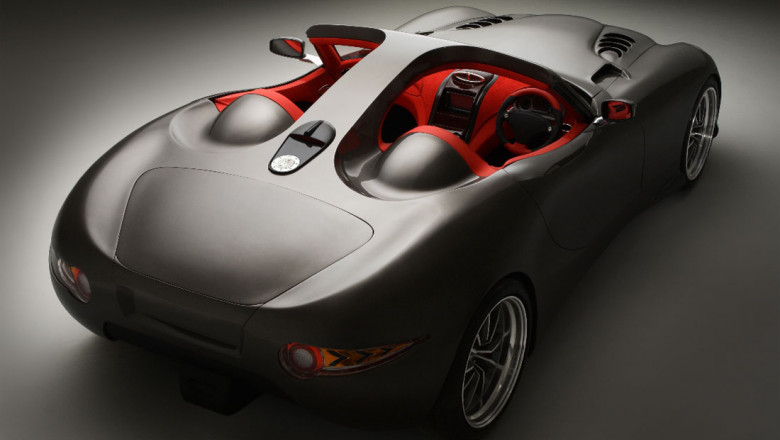
Variants and Visions
Trident didn’t just stick to one model. They envisioned a range including a hardtop coupe called the Magna and even a shooting brake version for those needing a bit more room without sacrificing style or performance.
The Dream That Never Was
Despite the innovative design and impressive specs, the Iceni never hit full production. Financial hurdles proved too high, and while the company dabbled in other designs based on the Iceni’s platform, none made it to the market. Trident’s ambitious project serves as a reminder of the challenges in the automotive industry, especially for those trying to break the mold.
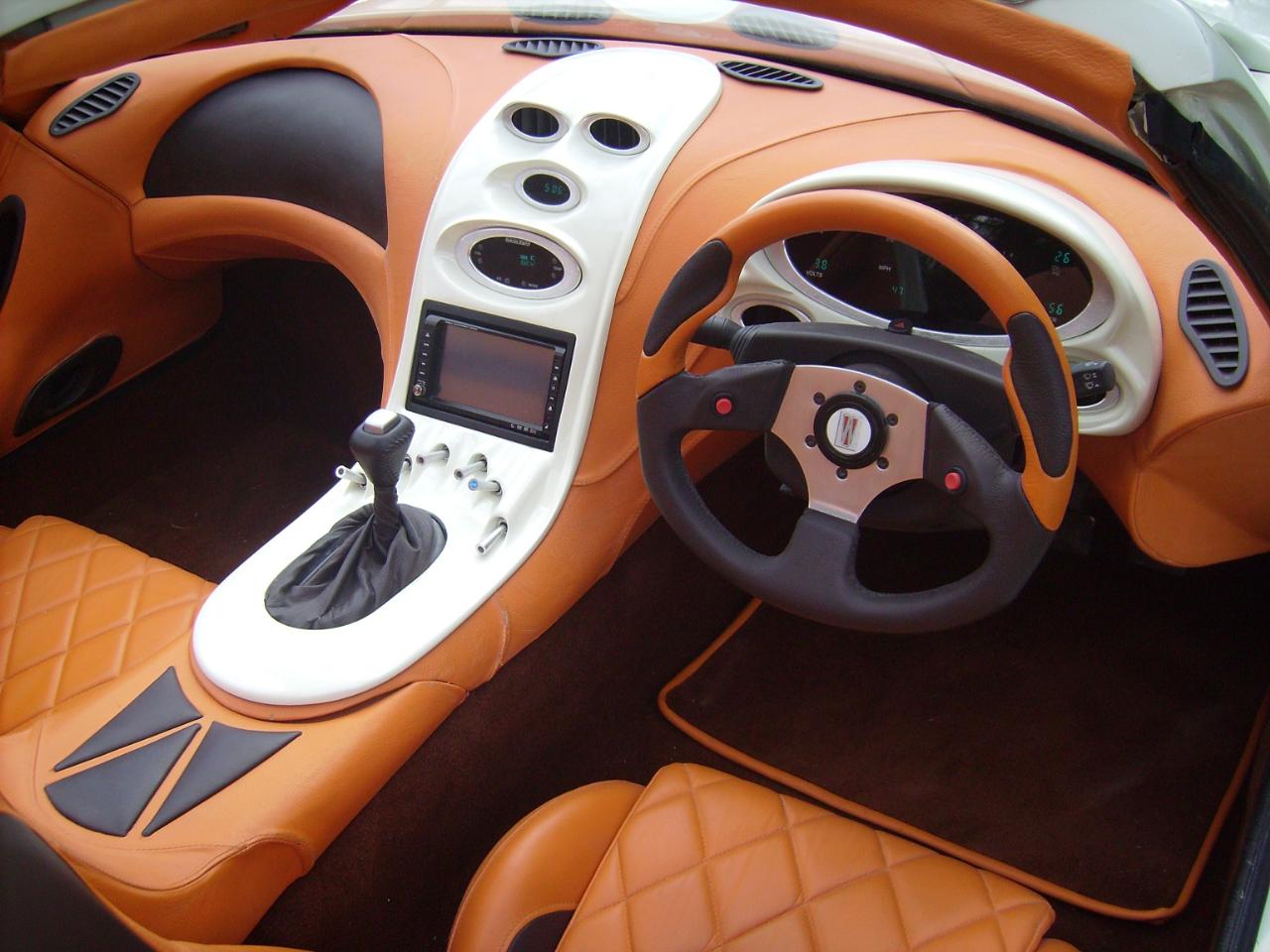
As of 2025, Trident's ambitious diesel supercar remains a dream. Phil Bevan later attempted to start anew with the Enigma, another supercar that aimed to blend performance with uniqueness. Yet, like its predecessor, the Enigma has struggled to move from prototype to production.
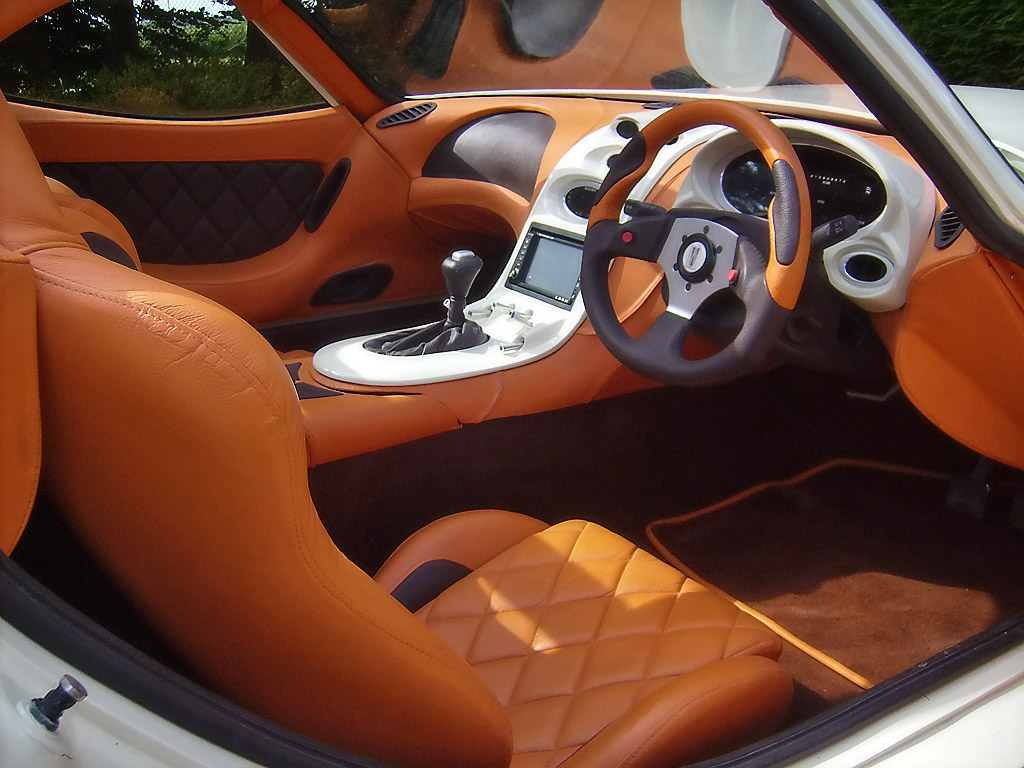
The Trident Iceni stands as a fascinating footnote in supercar history—a testament to innovation and ambition. It’s a reminder that the road less traveled is fraught with challenges but also brimming with the potential for groundbreaking change. For now, though, the Trident Iceni remains a what-could-have-been in the high-octane world of supercars.