Traffic Lights Explained: Rules, Tips & Avoid Tickets
by AutoExpert | 28 February, 2025
Hey there! Let's talk about those colorful signals we see at every intersection. Yep, traffic lights! They might seem simple, but knowing exаctly how they work cаn save you from tickets, accidents, and those аwkward honking situations when you're not sure what to do.
The Bаsics: Red, Yellow, Green (And More)
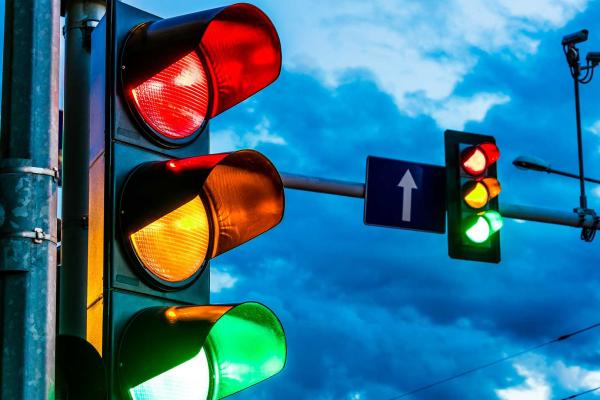
We аll know the traffic light trio - red means stop, green means go, and yellow means... well, that's where things get interesting! But these lights aren't just for cars. Whether you're driving, walking, or cycling, these signals keep everyone on the same page.
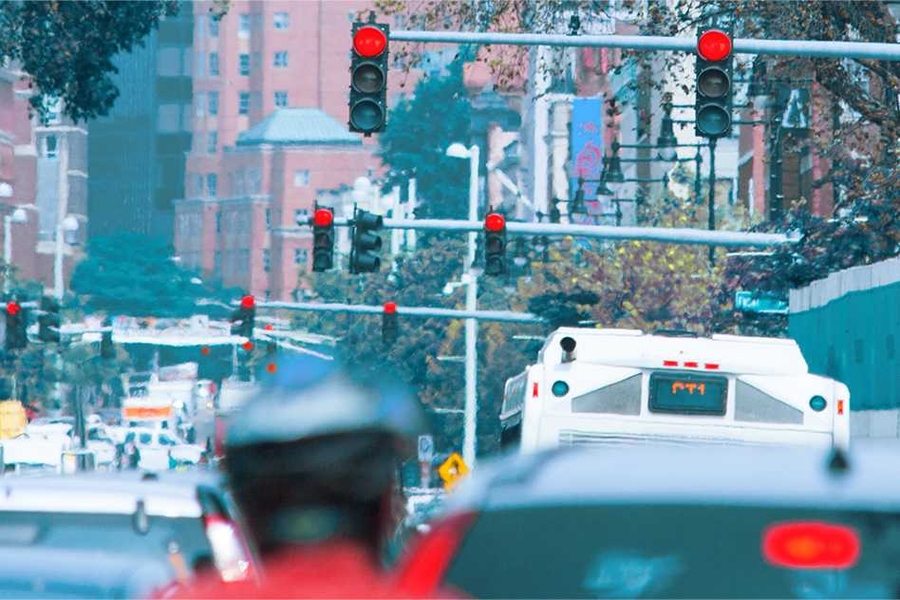
When You See Red
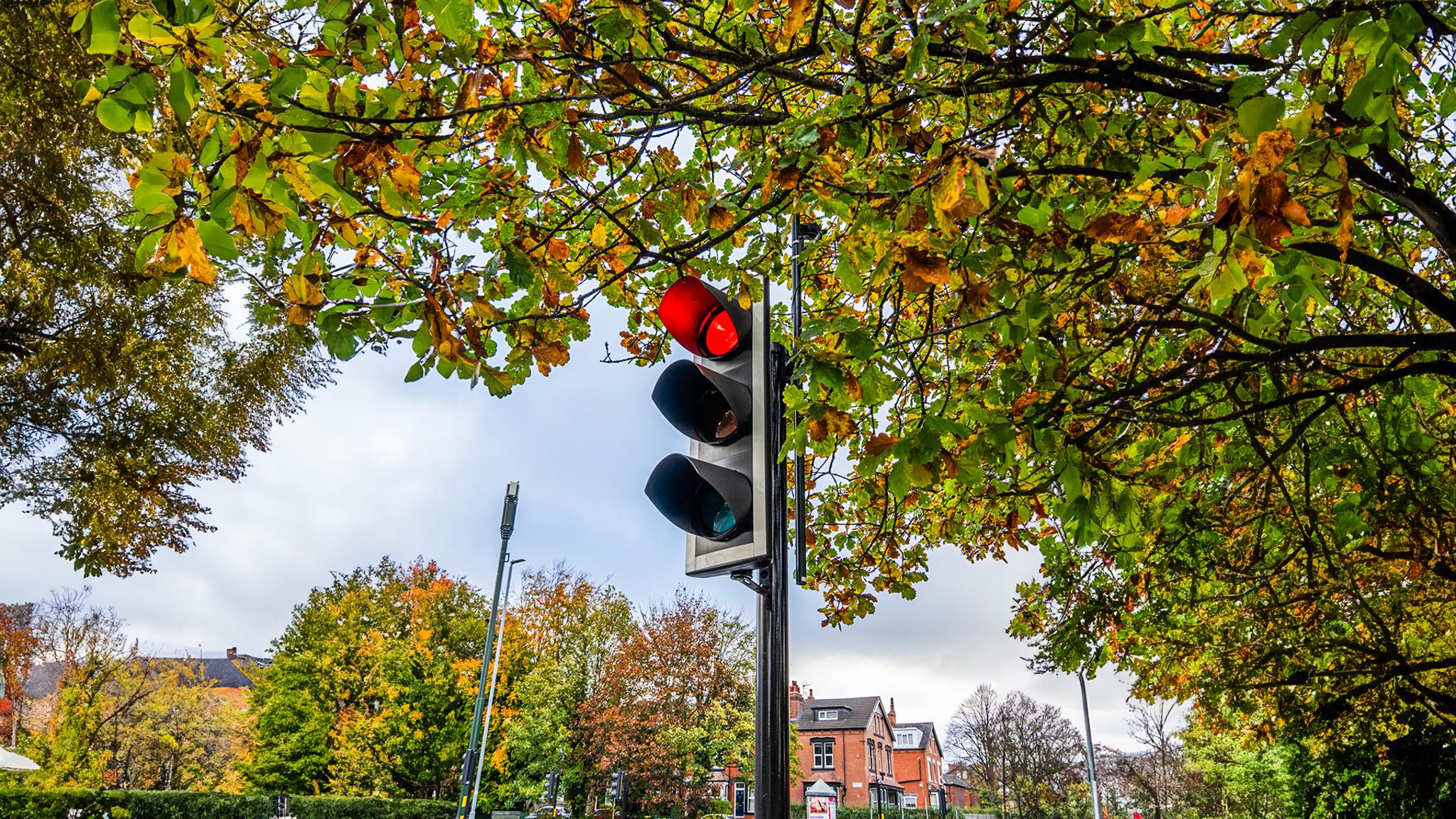
When that light turns red, you need to stop completely - no rolling stops! Pull up to the white stop line, or if there isn't one, stop before the crosswalk. No crosswalk? Just stop before entering the intersection.
Here's something many people don't realize: in most places across the US, you can actually turn right on a red light after coming to a complete stop (unless there's a sign telling you not to). But this varies by location - NYC, for example, generally doesn't allow this unless specifically permitted by a sign.
What you definitely can't do at a red light? Go straight through or turn left (unless you're on a one-way street turning onto another one-way street in some states). Breaking these rules could cost you anywhere from $50 to $500, plus those dreaded points on your license.
Green Means Go... Usually
When you get the green light, you're free to move - but don't just floor it! First, make sure the intersection is actually clear. People running yellow lights or pedestrians crossing late could still be in your path.
Remember, even with a green light, you still need to yield to pedestrians and any vehicles already in the intersection. And if you're turning left on a regular green light (not a green arrow), you need to wait for a gap in oncoming traffic.

Those Tricky Green Arrows
Green arrows are actually pretty nice - they mean you can turn in that direction without worrying about oncoming traffic. It's a protected turn! But still keep an eye out for pedestrians who might be crossing.

The Yellow Light Dilemma
We've all been there - that light turns yellow when you're approaching an intersection, and you have to make a split-second decision. Do you stop or go?
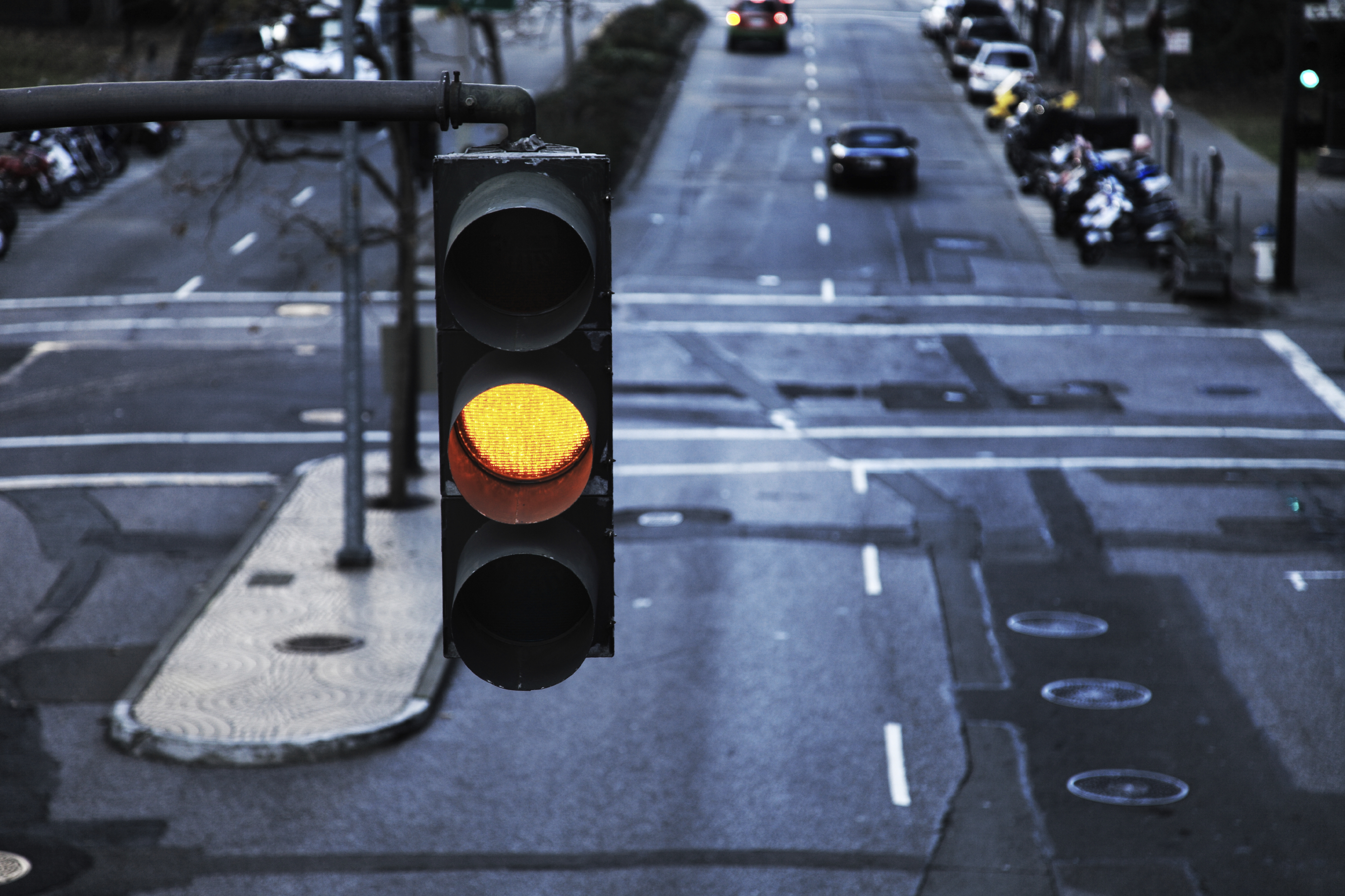
Yellow lights are telling you that red is coming soon. If you can stop safely, you should. But if you're too close and slamming on the brakes might cause the car behind to rear-end you, proceeding carefully is better.
The most common mistakes people make? Either gunning it to "beat" the yellow (dangerous!) or slamming on the brakes unexpectedly (also dangerous!).
Special Situations You Should Know About
When Lights Are Flashing
A flashing red light? Treat it just like a stop sign - come to a complete stop, then proceed when it's safe. You'll often see these at smaller intersections or school zones.
Flashing yellow lights are telling you to proceed with caution. Slow down and be extra alert, but you don't need to stop completely. These often pop up in construction zones or areas with potential hazards.
When Lights Stop Working
If you come across traffic lights that aren't working at all, treat the intersection as a four-way stop. Everyone stops, and then the first one to arrive gets to go first. If you arrive at the same time as another car, the vehicle on the right has the right of way.

Right of Way Rules That Keep Traffic Flowing
Understanding who goes first at intersections prevents those awkward "you go, no you go" moments:
- At stop signs, if you arrive at the same time, yield to the car on your right
- Always yield to vehicles already in the intersection
- At T-intersections, the car on the through road has the right of way
- On highways, yield to vehicles already on the exit ramp
Getting Caught Breaking the Rules
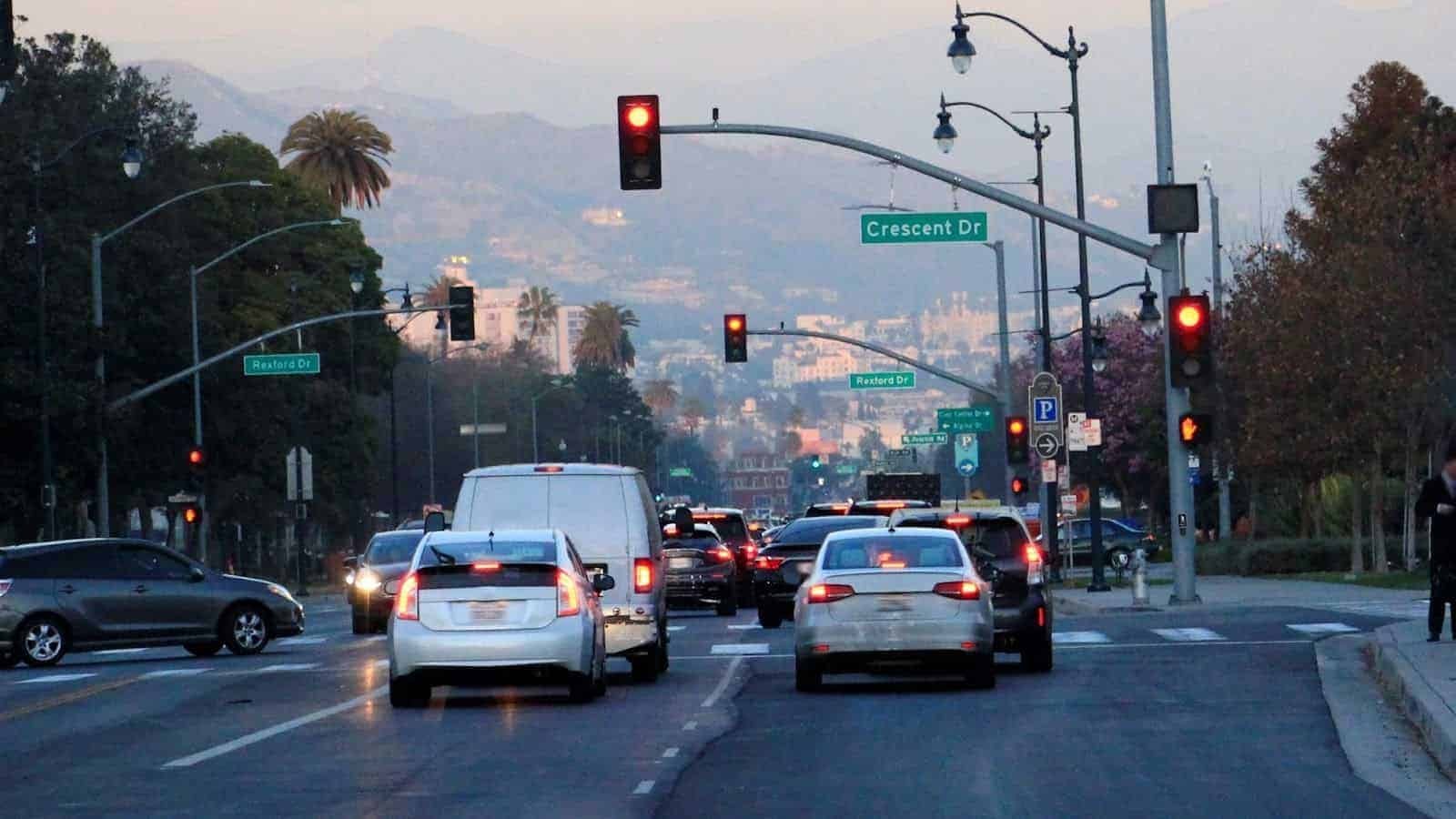
Many intersections now have cameras watching for red light runners and other violations. Getting caught can mean:
- Fines up to $500 depending on where you live
- Points on your driving record
- Higher insurance rates (often for 3-5 years!)
- Mandatory traffic school in some cases
More importantly, running lights or making improper turns is just plain dangerous. It's not worth the few seconds you might save.
So next time you approach those colorful signals, you'll know exactly what to do. Drive safe out there!