Tire Recalls: The Hidden Dangers Hiding on Your Car

by AutoExpert | 24 September, 2025
Tires are supposed to be boring. They roll, they grip, they get you from point A to point B without drama. But sometimes they decide to become the main character in the worst possible way - by falling apart while people are driving.
The "Snow" Tires That Couldn't Handle Snow
Back in January, Prinx pulled off one of the more embarrassing recalls in recent memory. They had to recall over half a million HiCountry and Fortune Tormenta tires that were marked as snow tires but apparently nobody told the tires about their job description.
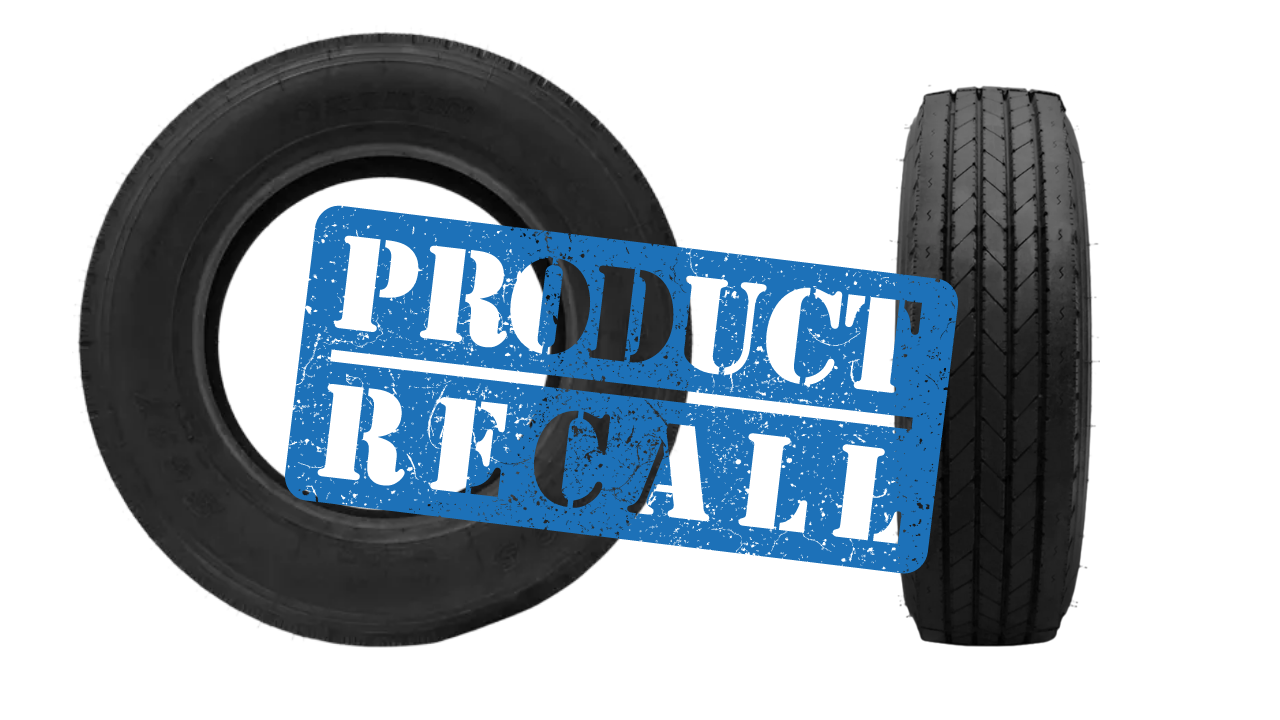
These things had the official Alpine symbol stamped right on the sidewall - the little mountain peak that's supposed to mean "hey, this tire can actually handle winter." Problem was, when federal safety folks tested them, they failed spectacularly at the whole snow traction thing.
Prinx's solution? Pay people $50 per tire to have the snow symbols scraped off the sidewalls. Basically admitting "oops, these aren't snow tires after all." For folks who actually needed winter traction, the company offered full refunds if owners could prove they'd destroyed the useless tires.
:max_bytes(150000):strip_icc()/Tire_Severe_Under_Inflation_Wear-580520c55f9b5805c2f409bb.jpg)
The RV Tire That Became a Horror Story
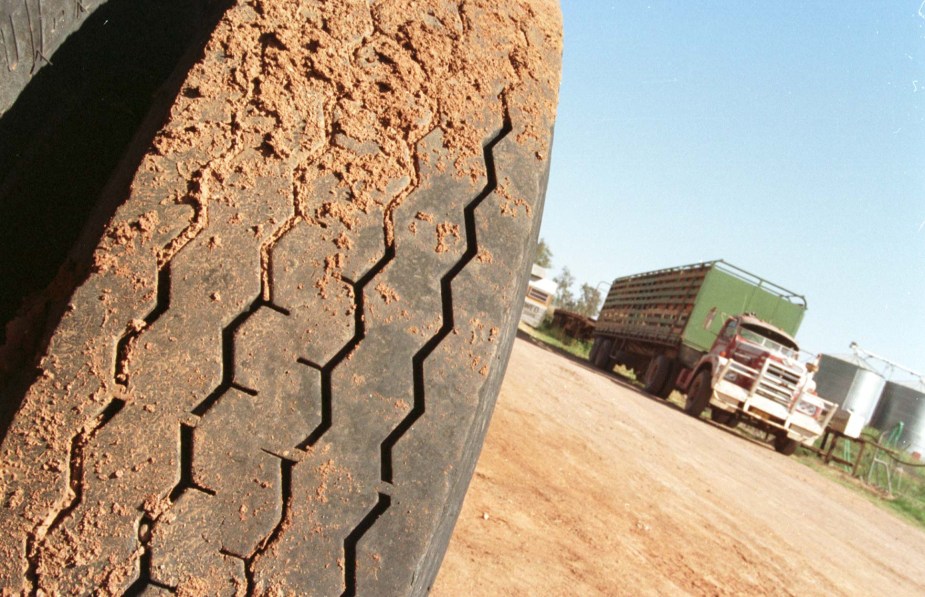
Then there's Goodyear's G159 - a tire that's been called "the worst tire made in history," and that's not hyperbole. This thing was originally designed for delivery trucks doing stop-and-go city driving. Somehow it ended up on highway-cruising motorhomes, which is like putting bicycle tires on a semi truck.
The results were catastrophic. Between 1999 and 2016, tread separations on these tires led to 41 lawsuits and nearly 100 deaths and injuries. Imagine cruising down the interstate in your massive RV when suddenly the tire shreds apart at 65 mph.
Goodyear spent years fighting the recall, claiming RV manufacturers misused their tire and that owners were overloading them or running them with low pressure. Finally, in 2022, they recalled 173,237 of the things - even though they'd stopped making them back in 2003.
The company offered free replacement tires for any G159s still in service, plus $500 each for any unmounted ones people had sitting around. Small comfort for families who lost loved ones, but better than nothing.
Continental's Heat Problem
Continental's ProContact GX AO recall was smaller but just as scary. These tires came standard on Audi A4 and A5 models, and they had a nasty habit of building up heat in the sidewalls due to excessive flexing.
That extra heat caused belt and tread separations - basically the tire would start coming apart while driving. Continental documented at least 45 cases of this happening before issuing the recall for nearly 147,000 tires in August 2024.
Unlike some manufacturers, Continental handled this one properly - they covered replacement costs and gave clear instructions for identifying and disposing of the dangerous tires.

Why This Stuff Happens
Tire manufacturers test their products before release, but sometimes problems only show up after thousands of people have been driving on them for months or years. Real-world conditions are brutal - extreme temperatures, potholes, overloaded vehicles, and drivers who never check their tire pressure.
When safety defects surface, federal law requires recalls and public notification. Sometimes manufacturers fight it, but the National Highway Traffic Safety Administration has serious power to force recalls when they find genuine safety issues.
The Takeaway
If your tires get recalled, don't mess around - get them replaced immediately. These aren't minor inconveniences; they're potentially life-threatening defects that have already hurt people.
Check recall notices regularly, especially if you drive an RV or have performance tires. Those four rubber donuts are literally the only thing connecting your car to the road, and when they fail at highway speeds, physics gets really unforgiving really fast.
The good news is that most tire recalls get handled quickly once identified. The bad news is that it sometimes takes crashes and injuries before problems get discovered. That's why paying attention to recalls isn't just smart - it's essential.