Tire Pressure Mistake: Why You Should NEVER Use the PSI on the Tire Sidewall
by AutoExpert | 11 December, 2025
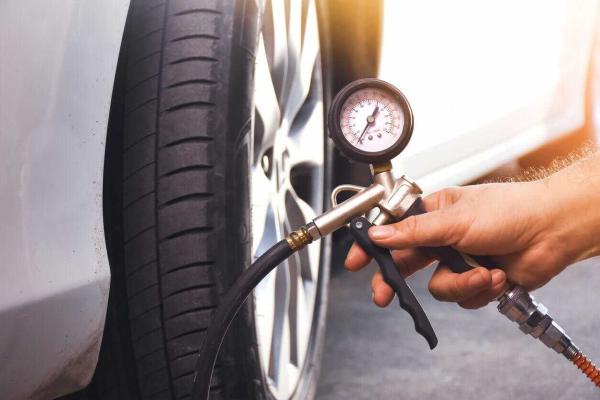
A lot of people do this: they pull up to an air pump, glance at the tire, see a big PSI number, and think, “Cool, that must be the one.” It feels obvious… until you learn that number is absolutely not the one you’re supposed to use.
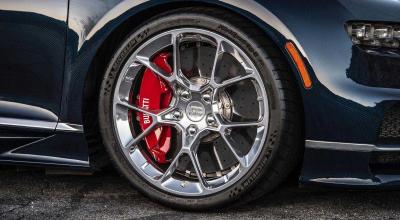
That PSI on the sidewall? It’s the maximum pressure the tire can handle — basically the “do not go past this unless you enjoy blowouts” warning. It’s not the everyday number your car actually needs.
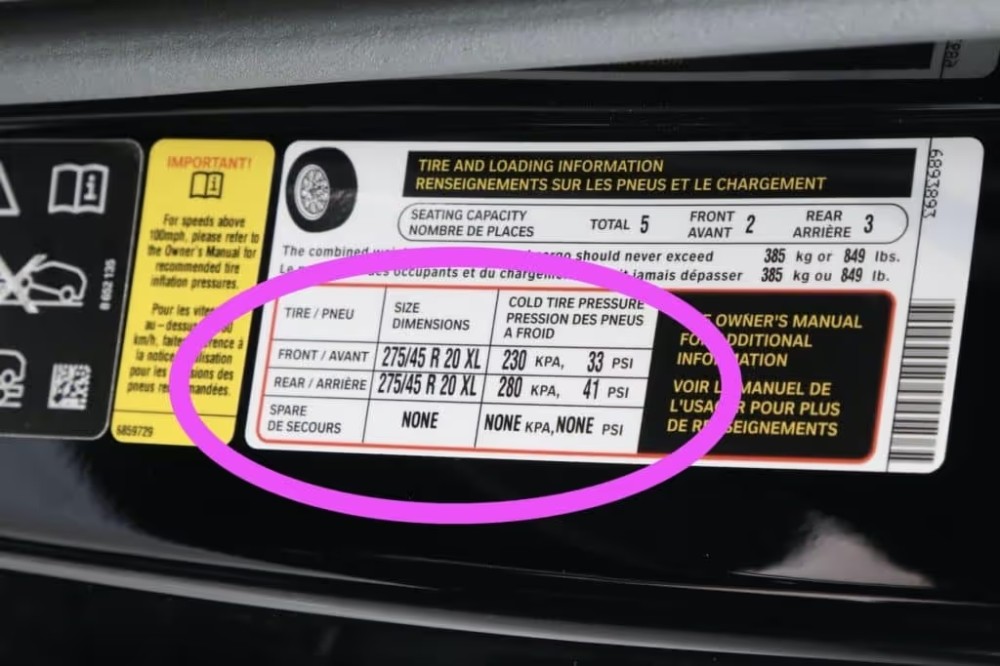
The correct PSI comes from the car maker, not the tire maker. There’s a sticker inside the driver’s door with the number they want you to use. It’s almost always way lower than the scary-looking max printed on the rubber.
Why filling to the max PSI is a bad move
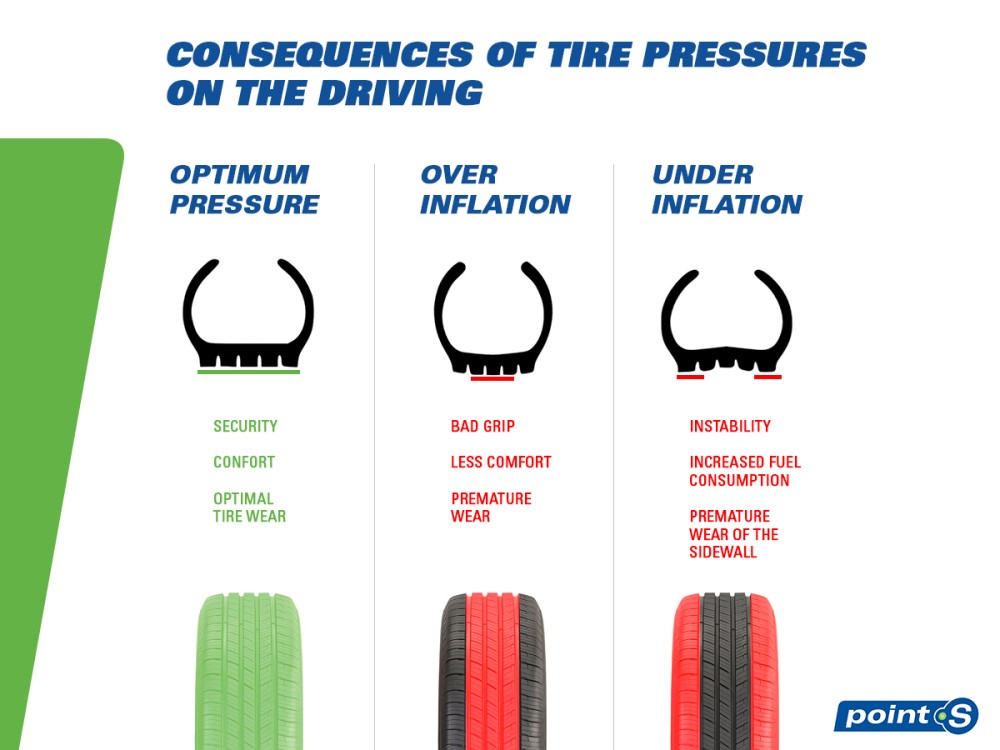
Here’s what overinflated tires usually mean in real life:
They wear out way faster.
Too much air pushes the center of the tire outward, so it scrubs itself bald while the edges barely touch the road.
Your ride turns into a shopping cart.
Overinflated tires are rock-hard. Every pothole feels personal.
You lose grip.
Less tire touching the pavement = worse braking, especially in the rain.
And yes — blowouts become way more likely.
Think of a balloon stretched to its limit. One bump, and it gives up.
So how do you find the right PSI?
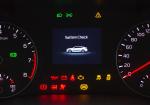
Most new cars display it somewhere in the dash with the tire-pressure monitoring system. If yours doesn’t, the answer is still simple: check the sticker inside the driver’s door. If that’s missing, the owner’s manual or a quick call to a dealership will solve it.
There are rare times you might adjust the pressure — towing, off-roading, that kind of thing — but for everyday driving, stick to the number the car’s engineers picked. They weren’t guessing.
Your tires last longer, your car handles better, and you don’t end up stranded with a blown-out tire on the shoulder.