
Tire Blowout: Causes, Dangers, and How to Handle It
by AutoExpert | 4 July, 2025
Nothing ruins a good drive quite like your tire exploding. One second everything's fine, the next you're white-knuckling the wheel while your car decides it wants to be a bucking bronco.
It's terrifying, honestly. And it happens to about 11,000 people every year, according to traffic safety folks. Nearly 600 don't make it home. So yeah, worth knowing about.
The Real Culprits Behind Tire Disasters
Not Enough Air (The Biggest Troublemaker)
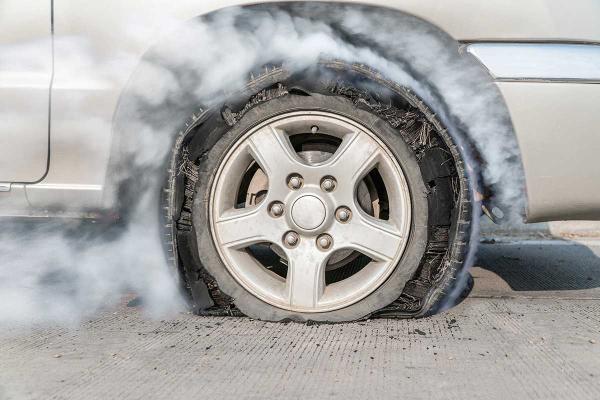
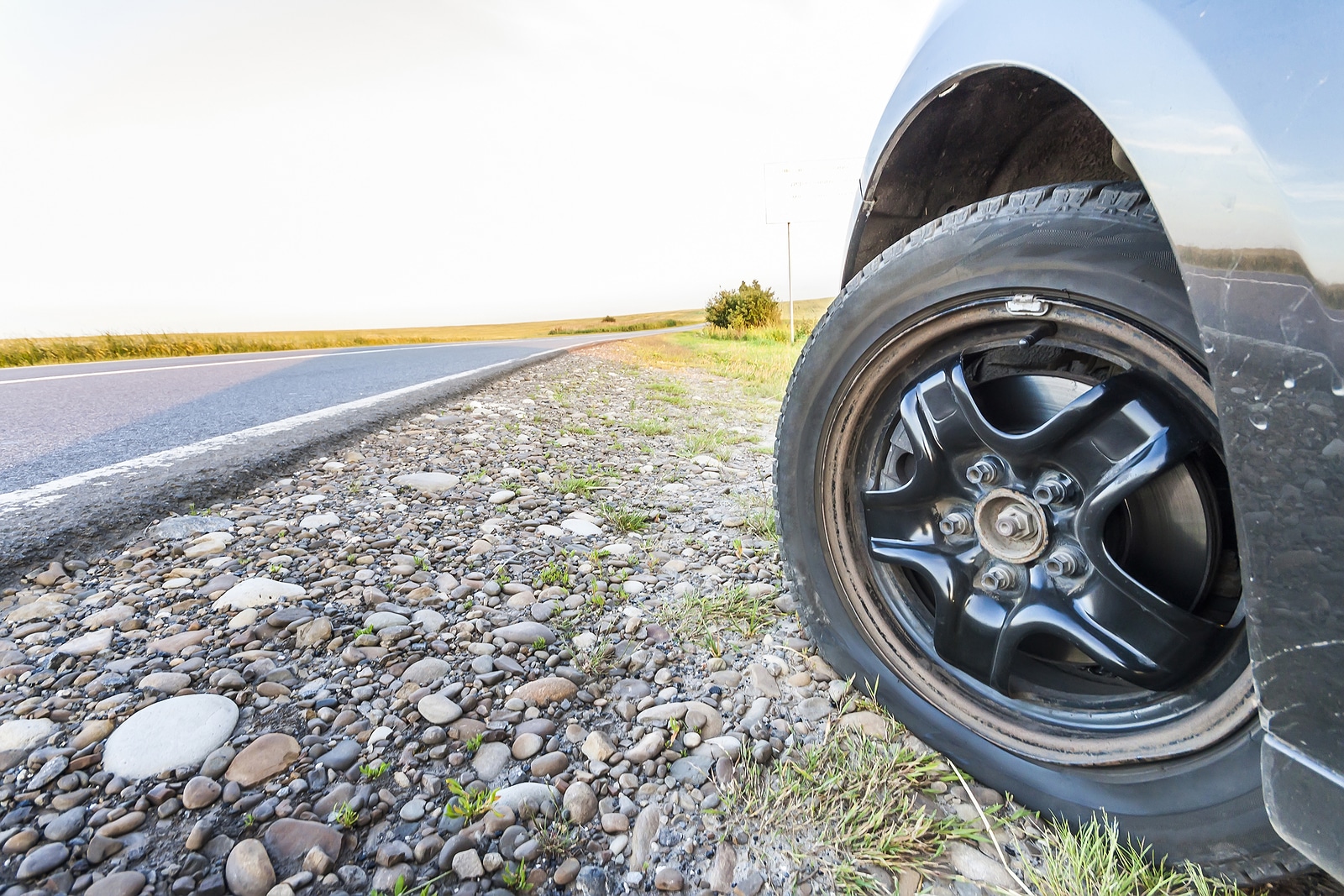
Most blown tires are just... deflated. Sounds dumb, but when there's not enough air, the tire basically starts eating itself. More rubber hits the road, things get hot, the sides get wobbly, and eventually something gives.
People forget to check their tires. Winter comes, pressure drops, and nobody notices until it's too late. Takes two minutes to check once a month, but most drivers can't be bothered.
Too Much Air (Plot Twist!)
Here's where people get clever and mess up. They think "more air = better" and pump their tires into basketballs. Now the tire's so stiff it can't handle hitting a decent pothole without basically shattering.
The Road Wants to Kill Your Tires
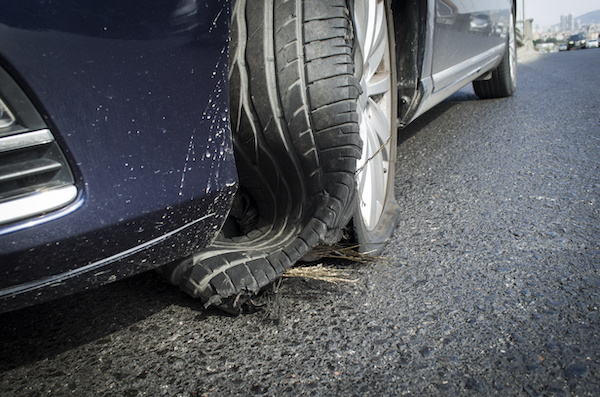
Potholes are tire murderers. So are random nails, chunks of metal, glass bottles – basically anything sharper than a marshmallow. Hit one wrong and your tire's either bleeding air slowly or going out in a spectacular fashion.
Stuffing Too Much Junk in the Trunk
Ever seen someone's car so loaded down it's practically dragging? Those tires are crying for help. Every car has limits, and when you ignore them, the tires pay the price. They overheat, wear out faster, and eventually just give up.
Old Rubber Gets Cranky
Tires age like people – they get brittle and cranky. Six years old? Time to start shopping. See cracks in the sidewall? Don't wait for a blowout to convince you. And that penny test for tread depth? Actually do it.
Sometimes It's Just Bad Luck
Occasionally, some tire rolled off the factory line having a bad day. Wrong glue, cheap materials, whatever. These are rare, but they happen, and there's not much you can do except curse your luck.
Mother Nature Doesn't Care About Your Commute
Summer heat makes air expand inside tires. Winter cold makes rubber brittle. Both mess with your tires in different ways, but the end result can be the same dramatic roadside experience nobody wants.
When Things Go Sideways (Literally)
If your tire decides to quit on you, don't panic. Easier said than done, but here's the deal:
- Death grip that steering wheel. Your car's going to want to go places you don't want to go. Don't let it win.
- Do NOT slam the brakes. Seriously. That's how you end up spinning or flipping. Just ease off the gas and let physics slow you down.
- Steer gently toward the shoulder. No sudden moves – treat your car like it's made of glass and filled with nitroglycerine.
- Hit those hazard lights fast. Other drivers need to know you're having a day.
- Once you're stopped, assess the damage. Got a spare and know how to use it? Great. Don't know a lug nut from a donut? Call someone who does.
The Boring But Important Part
Best way to deal with a blowout? Don't have one. Check your tire pressure when you think about it. Look at your tires occasionally – they'll tell you when they're unhappy. Don't drive on decade-old rubber. Don't haul your entire garage in your trunk.
It's not glamorous, but it beats explaining to your insurance company why you're upside down in a ditch.