The V10 Engine is Officially Extinct: Farewell to a Glorious Sound!
by AutoExpert | 28 May, 2025
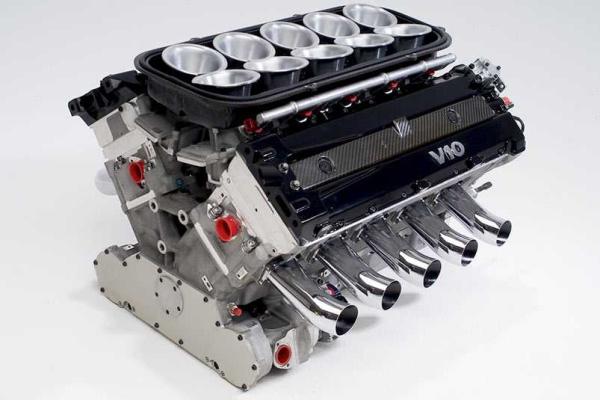
So here's the deal - V10 engines are officially extinct. Zero manufacturers are building them right now, which honestly feels like the end of an era.
It's not exactly shocking when you think about it. V10s were always the weird middle child of the engine family. They're heavier and more complicated than V8s but don't pack much more punch. And they definitely don't have that fancy V12 status that makes people feel special about their car payments.
The last one standing was Lamborghini's Huracán, which finally called it quits at the end of 2024. That meant goodbye to over 20 years of those gorgeous naturally aspirated V10s that made the Gallardo, Huracán, and Audi R8 sound absolutely incredible. Now Lamborghini's going with a twin-turbo hybrid V8 for their new Temerario. Sure, it'll probably be faster, but will it sound as good? Probably not.
The Good Old Days
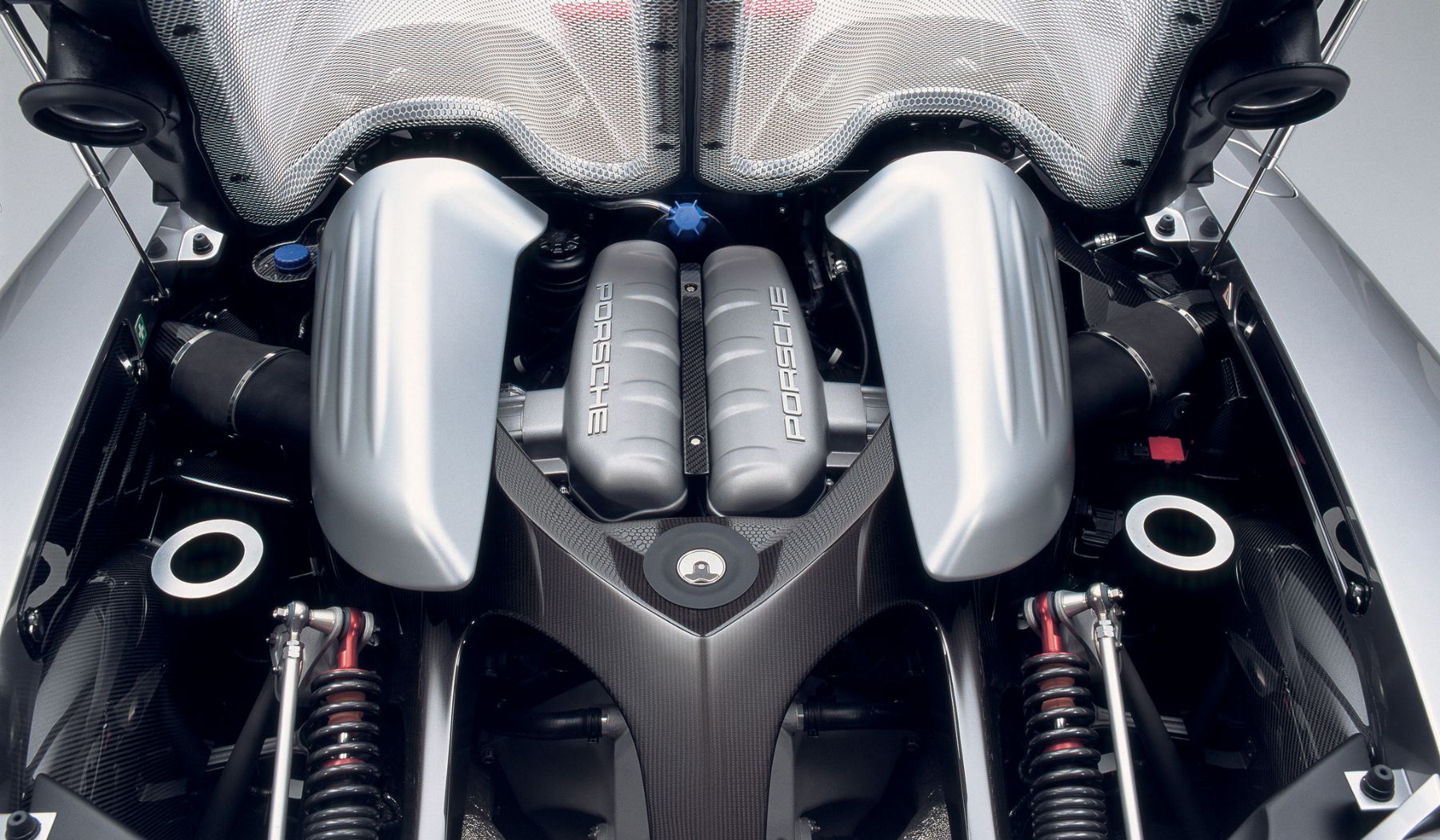
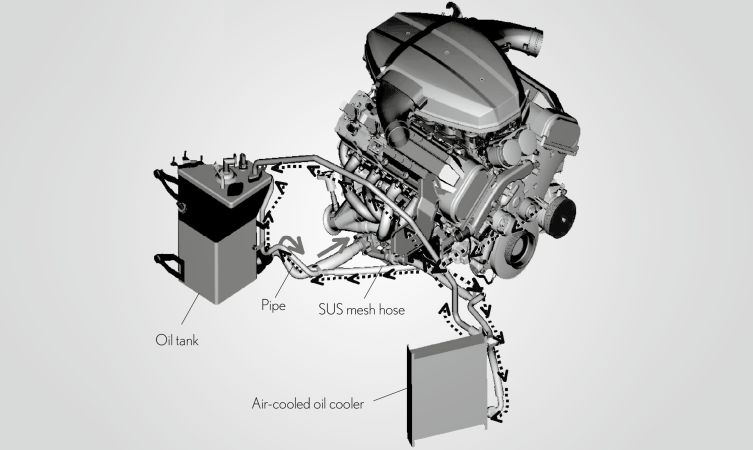
Remember when V10s were actually a thing? The Dodge Viper had that absolutely mental 8.0-liter beast that basically defined American excess from 1991 to 2017. Then there was Porsche's Carrera GT with its high-revving 5.7-liter screamer that still gives people goosebumps. And honestly, the Lexus LFA might've had the best-sounding V10 ever made - that thing was pure music.
But here's what most people forget: Ford was quietly putting V10s in everything from Super Duty trucks to school buses with their 6.8-liter Triton engine. It wasn't glamorous, but it did the job for 24 years until Ford's new Godzilla V8 came along and made it obsolete.
Why They Disappeared
Modern turbocharged V8s just make V10s pointless. You can get more power, better fuel economy, and cleaner emissions without all the extra complexity. Even racing stopped using them, so there wasn't much reason for manufacturers to keep developing the technology.
V10s were cool precisely because they were rare and showed up in special cars. But being cool doesn't pay the bills when you're an automaker trying to meet emissions standards and fuel economy targets. Sometimes the weird, impractical stuff just doesn't survive - and that's exactly what happened here.