
The Used Luxury Car Trap: Why a Bargain Is a Red Flag
by AutoExpert | 23 September, 2025
Ever wonder why Craigslist is packed with luxury cars that cost less than a decent used Camry? Those tempting $15,000 Audis and $20,000 BMWs aren't accidents - they're warnings disguised as bargains.
The Luxury Car Trap
Browse any used car lot in America and the pattern becomes obvious: six-year-old Mercedes sedans sitting next to decade-old Range Rovers, all priced like economy cars. These vehicles once commanded $80,000+ price tags but now sell for what most people spend on a reliable Honda.
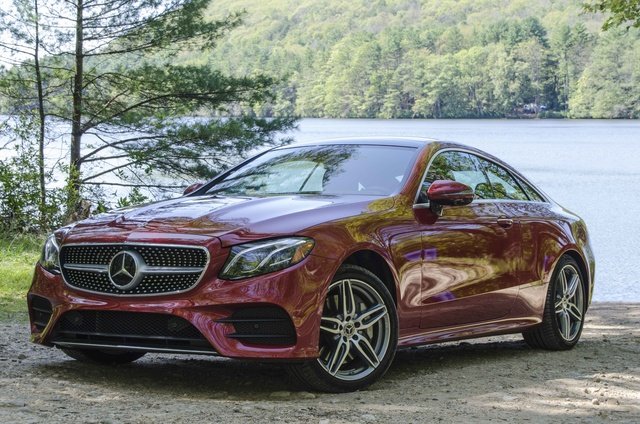
The math seems impossible until reality hits. That gorgeous German sedan becomes a financial sinkhole the moment something breaks - which happens more often than anyone wants to admit.
Everything Costs More
Luxury cars don't just cost more upfront; they punish owners with every oil change and brake pad replacement. A simple windshield washer reservoir for a 2013 Mercedes G-Wagon runs $208 from the dealer. The same part plus two pumps for a Honda Accord from that year? About the same price.
This isn't just dealer markup - these cars use premium materials and complex engineering that translates to premium repair bills. Carbon fiber trim looks amazing until it cracks. Those buttery leather seats feel incredible until they need conditioning. The advanced suspension system rides like a dream until the air compressor fails and leaves the car looking like a lowrider.

Technology Becomes a Liability
Modern luxury vehicles pack cutting-edge tech that becomes outdated headaches. Massage seats, panoramic sunroofs, adaptive cruise control, and digital dashboards all sound fantastic on the showroom floor. Five years later, they're expensive repair tickets waiting to happen.
Consumer Reports consistently ranks brands like Audi, Land Rover, Porsche, and Mercedes-Benz among the most expensive to maintain. These aren't coincidences - they're patterns that savvy buyers learn to recognize.

Location Matters
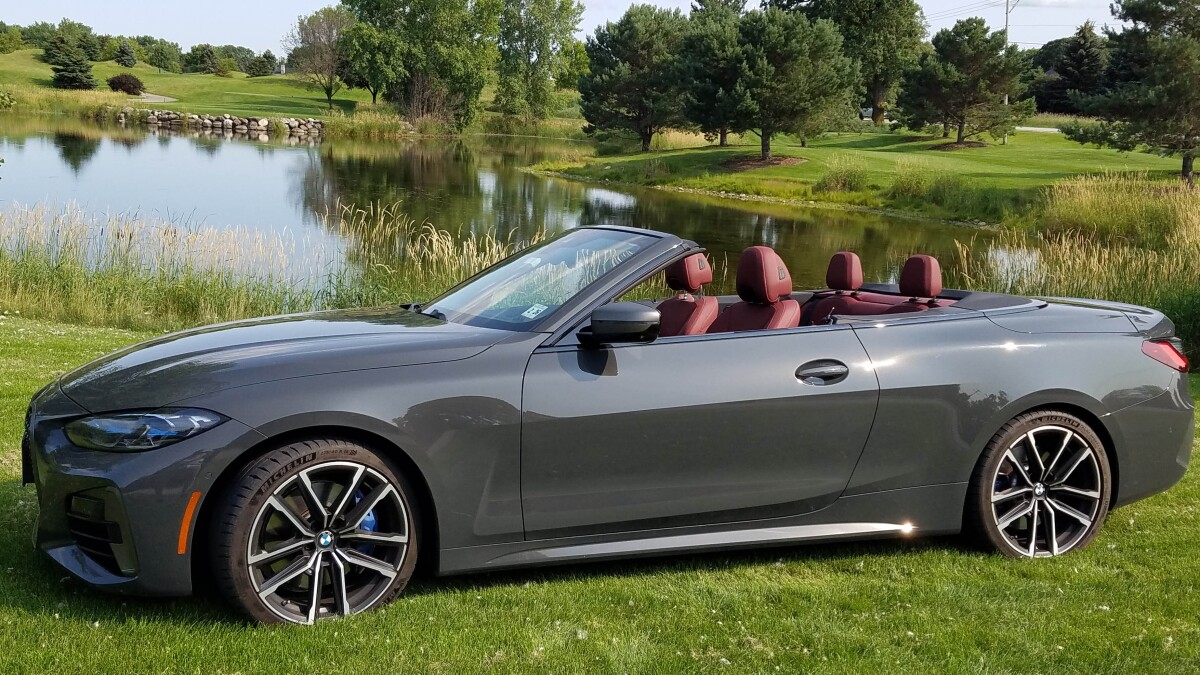
Regional preferences also affect luxury car values. That convertible BMW might hold value better in California than Minnesota, while all-wheel-drive models command premiums in Colorado but sit longer on lots in Florida. Climate and local driving conditions determine which luxury features become assets versus liabilities.
The Exceptions That Prove the Rule
Not every luxury brand follows this depreciation death spiral. Lexus vehicles maintain strong resale values because Toyota's reliability DNA runs through every model. Shared parts with regular Toyota vehicles mean repair costs stay reasonable, and the brand's reputation for dependability keeps demand high.
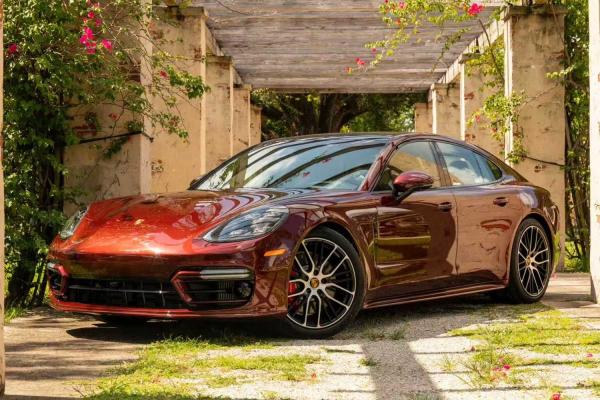
Porsche sports cars also buck the trend, but for different reasons. Their performance pedigree and enthusiast following create artificial scarcity that supports values. However, maintenance costs remain high, so buyers still face expensive upkeep.
The Smart Play
Anyone considering a used luxury car should budget for reality, not fantasy. That $18,000 BMW might seem like a steal until the first $3,000 repair bill arrives. Extended warranties can help, but they typically exclude wear items like brakes, tires, and suspension components - exactly the parts that cost the most on luxury vehicles.
The golden rule remains simple: if a luxury car deal seems too good to be true, there's probably an expensive reason why. Sometimes that reason is sitting in the service bay, waiting for the next owner to discover it.
Smart shoppers either buy certified pre-owned vehicles with remaining warranty coverage or stick with brands like Lexus that built their reputation on reliability rather than just prestige. Because nothing kills the luxury car experience quite like watching repair bills exceed car payments.