The "Turtleback" Mercedes: How a Humble Car Saved a Giant
by AutoExpert | 20 May, 2025
When World War II finally ended, Mercedes-Benz was in serious trouble. Germany lay in ruins, and the once-proud automaker had to somehow reinvent itself – fast.
Their unlikely savior? A quirky little sedan that Americans nicknamed the "Turtleback."
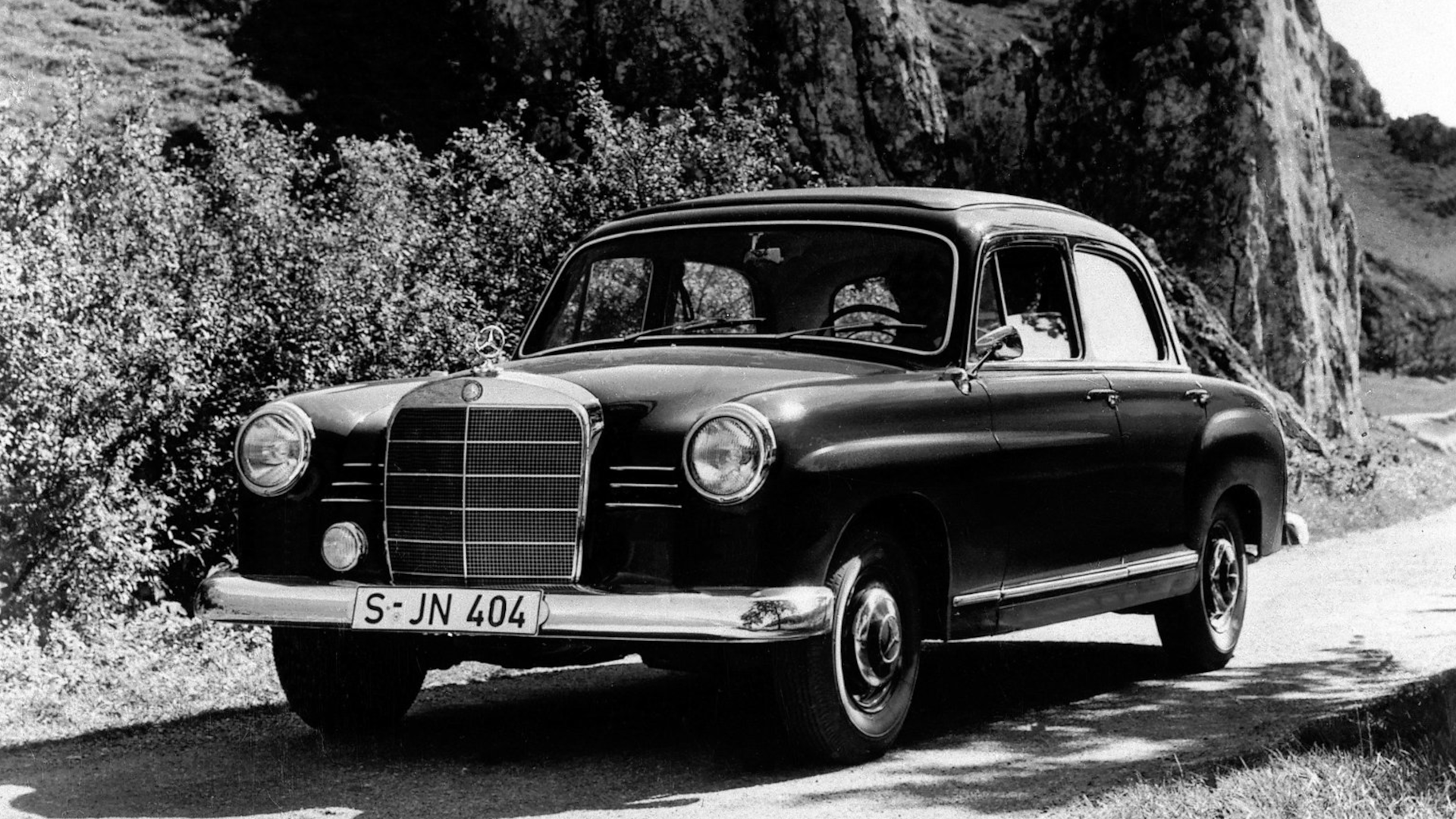
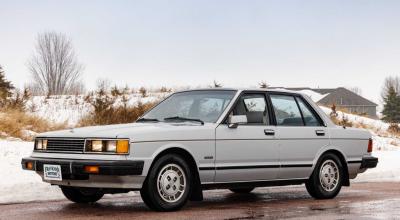
Look, nobody's going to claim this car was sexy. Launched in 1953, the W120 platform looked exactly like what it was – a practical, humble vehicle designed for a country picking up the pieces. Europeans called it the "Ponton" because of how its rounded fenders flowed straight into the body without any breaks or running boards.
But here's the thing – sometimes the most unassuming packages hide the most impressive gifts.
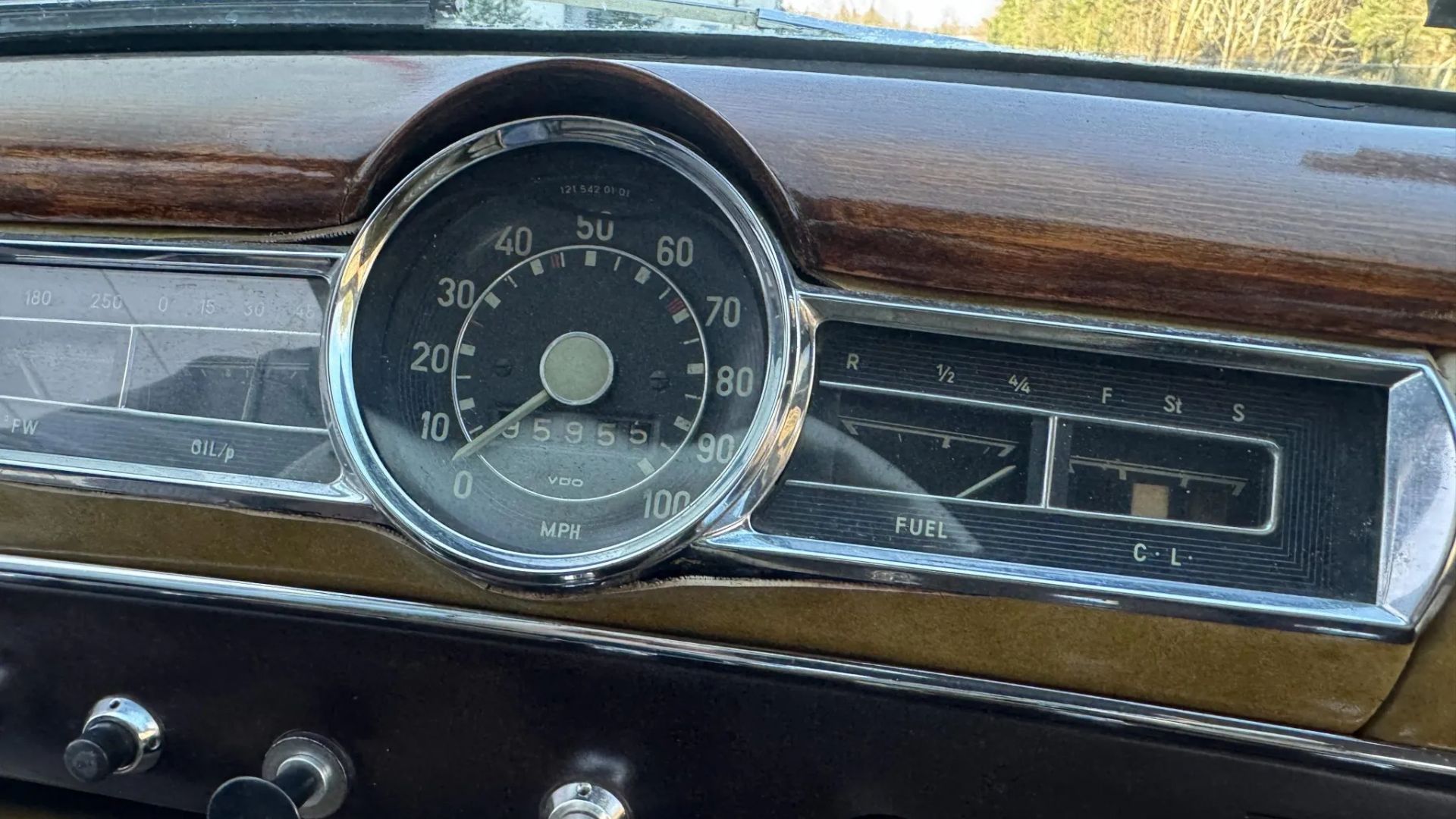
While Detroit was busy creating chrome monsters with tail fins, Mercedes engineers were quietly revolutionizing car construction. The W120 used a monocoque design when most manufacturers were still slapping bodies onto separate frames. This made it lighter, more fuel-efficient, and significantly safer in crashes.
Sure, the specs were nothing to write home about. The 1957 model squeezed out a measly 75 horsepower from its 1.9-liter engine. But power wasn't the point – this thing was built like a vault.
Stories of these cars hitting 500,000 miles weren't urban legends – they actually happened. Developing countries saw these cars passed down through generations like precious heirlooms. From police departments to taxi fleets, organizations that needed absolute reliability flocked to the Turtleback.
When American GIs brought some home after serving overseas, people couldn't help but notice the contrast. American cars of the era were all about flash and raw power – the Mercedes was about precision and longevity. It didn't scream for attention; it just quietly outlasted everything else on the road.
Today's Mercedes lineup – especially the S-Class – carries the DNA of these humble sedans. That obsession with engineering excellence, structural integrity, and mechanical sophistication became the company's calling card.

Enthusiast groups still restore these classics, not because they're particularly valuable or impressive to look at, but because they represent something increasingly rare in today's disposable world – things built to last.
In the end, the Turtleback wasn't just a car. It was Mercedes' declaration that they weren't just back in business – they were back to redefine what a car could be.