The Toxic Leaded Gasoline History: Why It Took Decades to Ban
by AutoExpert | 24 December, 2025
There was a time when gasoline wasn’t just bad for the planet — it was literally messing with people’s brains. Back in 1923, the very first gallon of leaded gasoline was sold in Dayton, Ohio. At the time, it was marketed as a game-changer for performance. And in some ways, it was — cars ran smoother, faster, stronger. The secret ingredient? Tetraethyl lead, which helped prevent engine knock. But there was a catch. A massive one. Let's learn more about leaded gasoline history.
Lead in the Tank, Poison in the Air
From day one, doctors and scientists were waving red flags. Lead exposure was already known to be toxic. It hits the nervous system, lowers IQ, and does serious damage to kids in particular. Even the guy who helped develop leaded gas, Thomas Midgley Jr., ended up suffering from lead poisoning himself. Several workers died making the stuff.
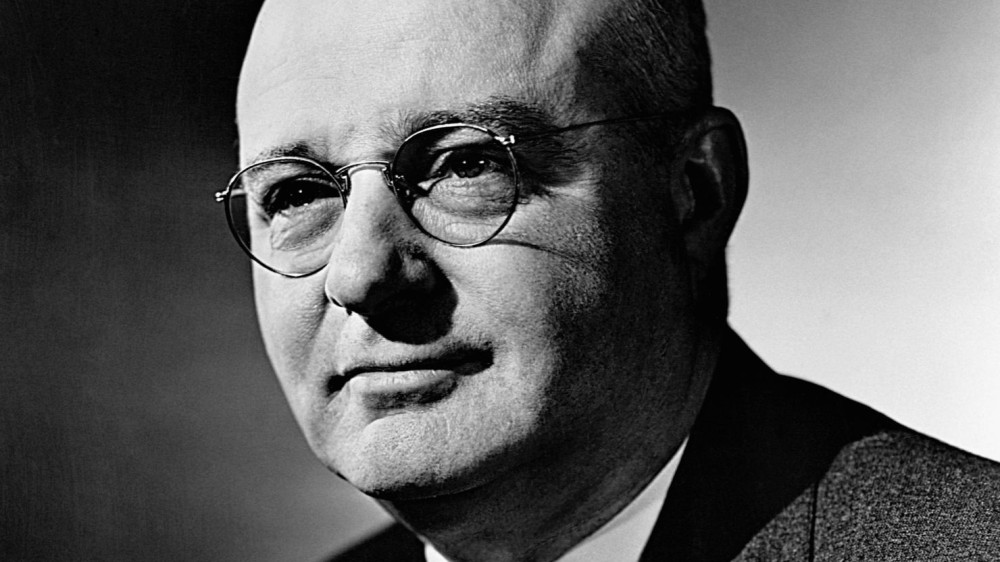
Still, the auto industry kept pumping it — literally and figuratively — for decades.
The Shift Starts: Health Science Finally Wins a Round
Fast forward to the 1960s. A geochemist named Clair Patterson took a deep dive into what was going on inside Americans’ bodies. His research showed that lead levels weren’t just high — they were wildly unnatural. Around the same time, Herbert Needleman showed how even small amounts of lead exposure were harming kids' brain development.
Suddenly, it wasn’t just about better performance. It was about public health. And the numbers were scary.
So in 1970, Congress passed the Clean Air Act, which aimed to get the toxic junk out of our air — including lead. The EPA was born, and by 1975, new cars had to be fitted with catalytic converters, devices that help scrub dangerous stuff like carbon monoxide from exhaust. But here’s the twist: lead ruins those converters.
To make this work, we had to ditch leaded gas. The EPA started phasing it out, and by the late 1970s, unleaded gas became the norm.
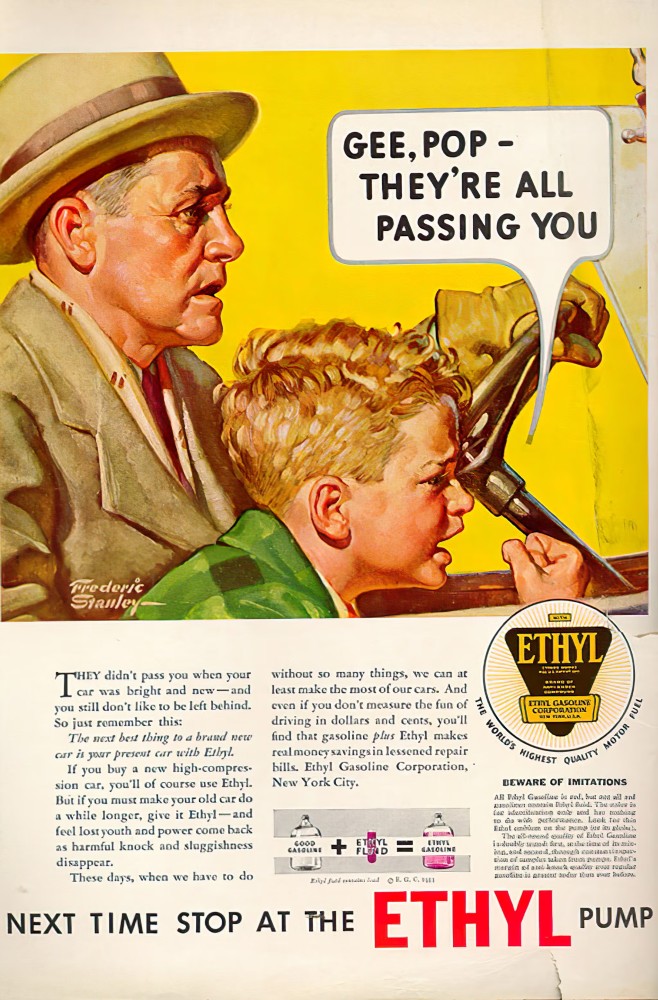
So Why Did It Take Until 1996?
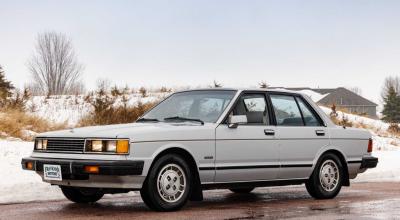
Good question. It took that long because there were still older cars on the road — classics, beaters, family hand-me-downs — built for leaded fuel. The government gave folks time to adjust.
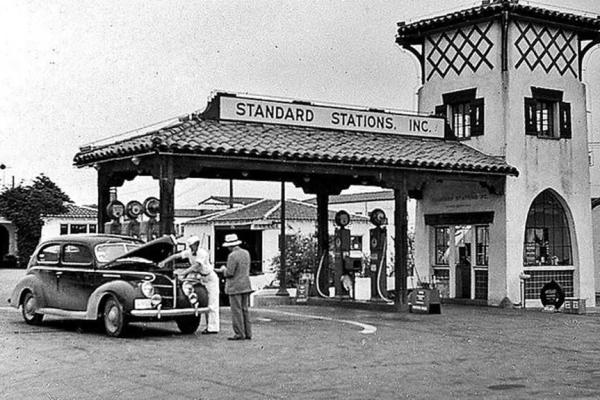
But by January 1, 1996, the switch was official: leaded gas was banned from U.S. gas stations. At that point, only 0.6% of cars still needed it.
Honestly, the only people upset were classic car buffs — and even they had options.
What If You Drive a Classic Car?
If you own a vintage ride, you can still run it on modern fuel — you just might need to take a few precautions.
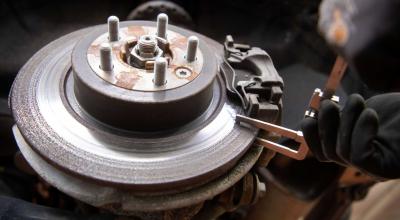
Worst-case scenario? You get something called valve seat recession — a fancy way of saying your engine’s valves might wear out faster.
Fix #1 (the pro move): Swap in hardened valve seats so your engine handles unleaded gas like a champ.
Fix #2 (the cheap move): Add a lead substitute fuel additive when you fill up. It’s not perfect, but it works.
Bottom line? Unless you're driving a ‘60s Mustang every day, you’re probably fine. And we’re all better off breathing cleaner air.
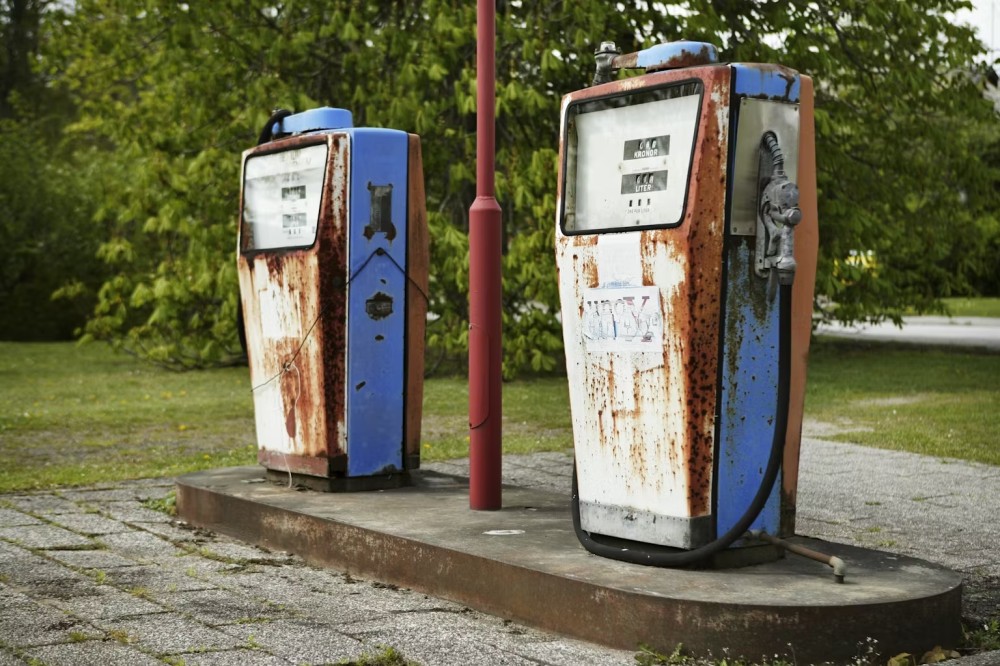
Fun fact: The guy who pushed for lead-free gas — Clair Patterson — also helped figure out the age of the Earth. Not bad for a scientist who just wanted to make sure kids could grow up with working brains.