The Surprising History of Power Windows: From 1941 Packard Hydraulics to Modern Electric Systems
by AutoExpert | 3 December, 2025
Power windows feel so normal today that it’s easy to forget cars once made everyone work for it — literally — with hand cranks. But the idea of raising your window with a button isn’t modern at all. In fact, it showed up long before most people’s parents were even born.
Before today’s tech-filled cabins and massive touchscreens, early cars were full of strange experiments. Think headlights you lit with a match or Chrysler’s ill-fated Highway Hi-Fi — an in-car record player from the 1950s that skipped every time the car hit a pebble. Automakers have always tried weird things on the way to innovation.
Power windows were one of those experiments. And the first car to offer them hit the road in 1941.
Packard Got There First
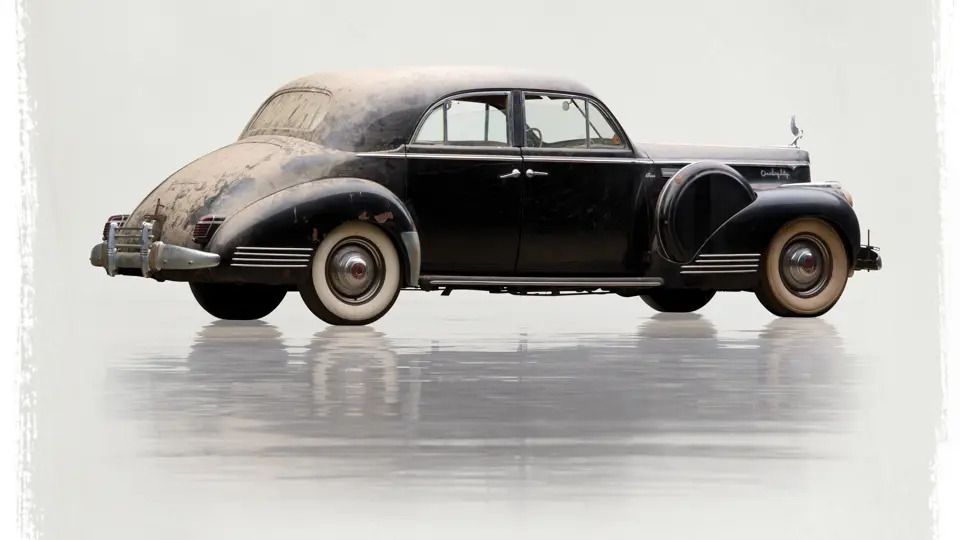
Packard beat everyone to it when it rolled out power windows on the 1941 Custom Super Eight 180. They weren’t electric the way we know today — the system was a wild mix of pumps, hydraulic lines, and pressure cylinders tucked inside the doors. It was originally created to make fancy features like power seats and folding hardtops possible, but Packard used it for the side windows, too.
It worked… most of the time. But leaks, quirks, and finicky parts were part of the deal.
Ford and Cadillac Followed — In Their Own Ways
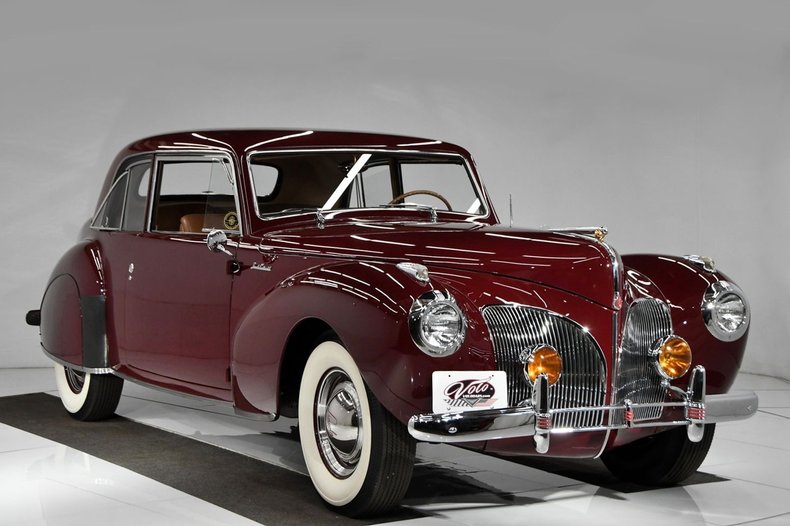
Ford jumped in the same year, offering power windows on the 1941 Lincoln Custom. But the big talking point back then wasn’t the windows — it was the massive V12 under the hood and the limo-like cabin.
Cadillac took a different approach. It added a power-operated divider window between the chauffeur and the passengers — not the side windows. It was fully electric, but basically just for privacy.
Modern-Style Power Windows Arrived Later
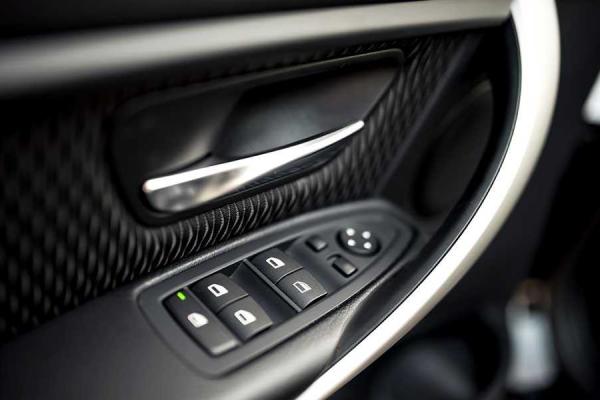
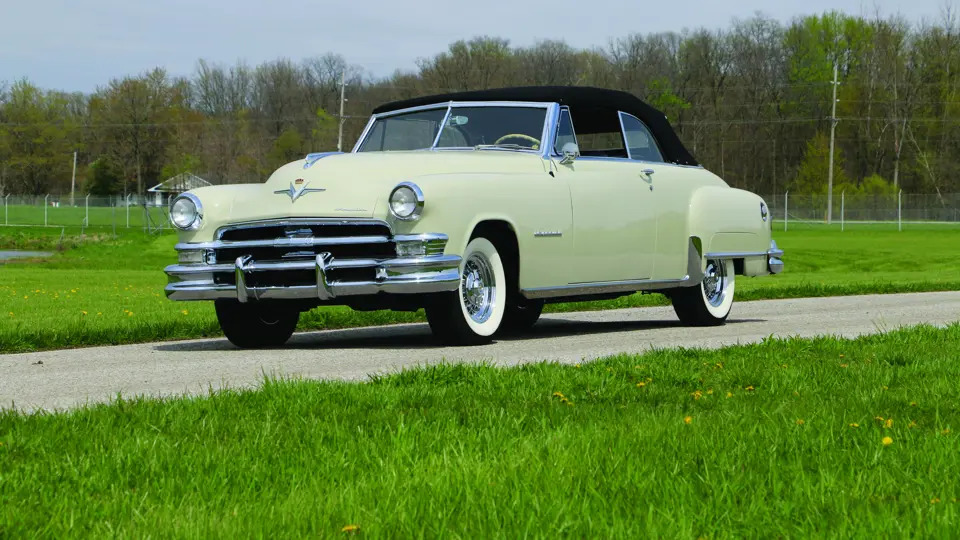
The first true electric power windows — the type that feel familiar today — showed up in the 1951 Chrysler Imperial. That car was loaded for its time: early power steering, an optional automatic transmission, and a FirePower Hemi V8 that made 180 horsepower, which was serious business back then.
From there, power windows spread fast. Roll-up windows stuck around for decades, and a few vehicles — like the Jeep Wrangler and Gladiator — kept them until 2025. Some new electric trucks, like Amazon-backed startups, even bring them back on purpose.
But for the most part, power windows became the norm. And we owe that convenience to the oddball, leaky, over-engineered systems Packard and friends were brave enough to try more than 80 years ago.