
The Secret History of the Dual-Clutch Transmission (DCT): Adolphe Kégresse, Porsche PDK, and the Volkswagen Golf R32
by AutoExpert | 9 December, 2025
Most people think dual-clutch transmissions showed up out of nowhere in the 2000s, right around the time paddle shifters went mainstream. In reality, the idea is a lot older — and the journey to the modern DCT is basically a century-long game of “great idea, wrong decade.”
It actually started way back
In the 1930s, a French inventor named Adolphe Kégresse decided that normal gearboxes were too fussy and thought, “Why not use two clutches to make shifting smoother?” He even stuffed a prototype into a Citroën. It sort of worked, but the world had bigger things going on — like, you know, an actual war — so the concept disappeared into the archives.

A few patents popped up over the next couple of decades, but nothing made it to mass production. Americans were too busy enjoying early automatics anyway.
Then Porsche got involved (and things got serious)
Jump to the late ’70s and early ’80s. Porsche needed a way to keep power flowing in its Group C race cars without dropping turbo boost every time the driver grabbed another gear. Suddenly, that dusty “two clutches” idea looked useful.
Porsche turned it into PDK, tested it in the 956 and 962, and the drivers basically lost their minds. No power drop, no missed gears, both hands on the wheel at all times — it was an instant advantage. It didn’t matter that it was complicated and occasionally temperamental; it was fast, and fast wins races.
The moment it reached normal humans
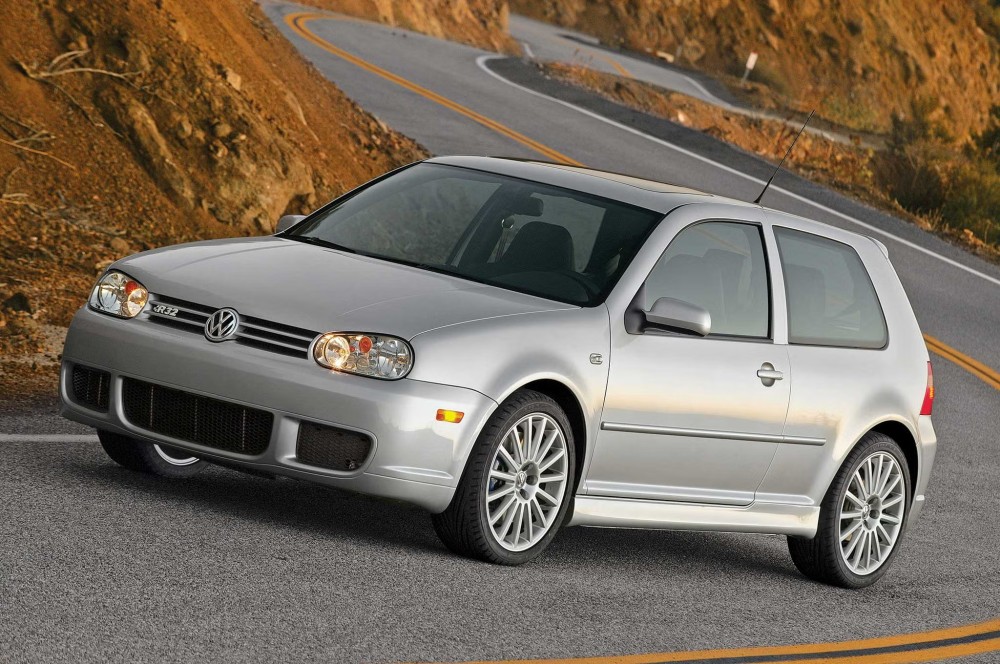
It took until 2003 for a dual-clutch transmission to land in a regular production car — the Volkswagen Golf R32. Audi followed, and before long the whole performance world jumped in:
Nissan GT-R
Porsche 911
Audi R8
Bugatti Veyron
Suddenly, everyone wanted the instant shifts and bragging rights.
And then… the hype cooled off
Here’s the part automakers don’t like to talk about: DCTs aren’t perfect. They’re heavy, complex, and can feel clunky in traffic. Brands like BMW and Aston Martin eventually dumped them for super-refined automatics that shift nearly as fast without the downsides.
On top of that, electric cars arrived and quietly asked, “Why do you need all these gears again?”
Most EVs use one gear. Problem solved.
But don’t call the DCT dead
Far from it. Porsche still sells tons of PDK-equipped 911s — more than 70% of buyers choose it — because it’s simply brilliant for performance driving. And plenty of enthusiast cars still rely on dual clutches for lightning-quick acceleration.
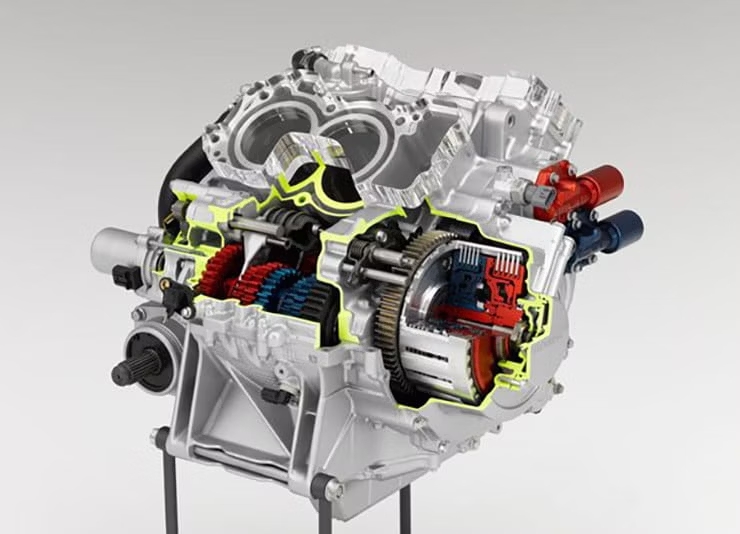
The truth is simple:
DCTs had a long, weird, stop-and-start evolution — but once they finally hit their stride, they changed performance cars forever.