The Rear-Engine Revolution: How Cooper Ended the Front-Engine Era in Formula 1
by AutoExpert | 9 December, 2025
In the early days of Formula 1, the cars were basically long metal tubes with the engine stuffed way out front. That’s just how racing worked. Nobody questioned it.
It was familiar, it was what teams knew, and after World War II, everyone was just trying to get back on track — literally.
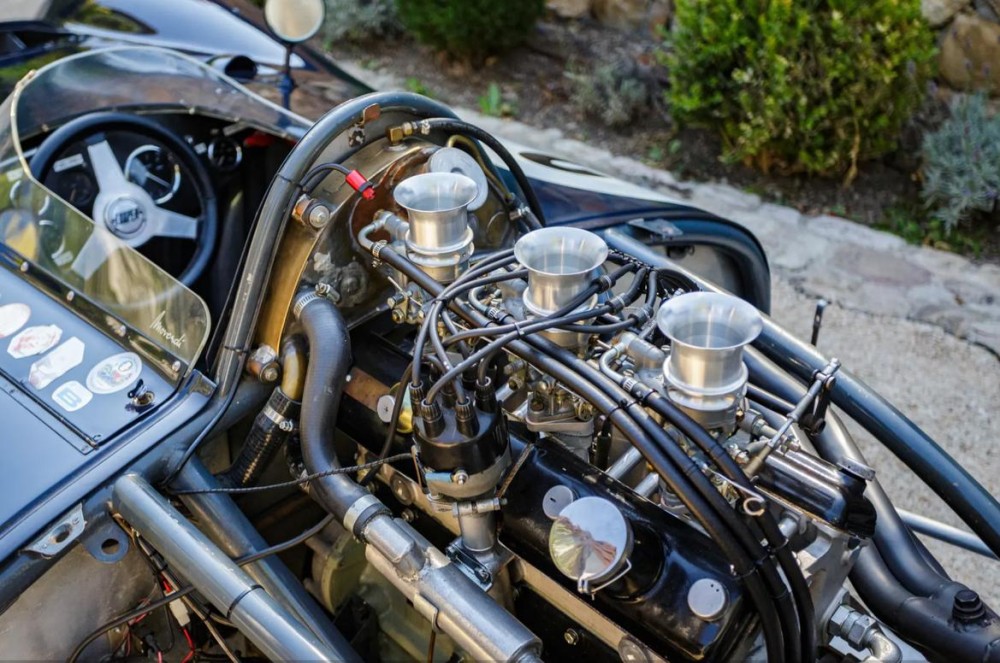
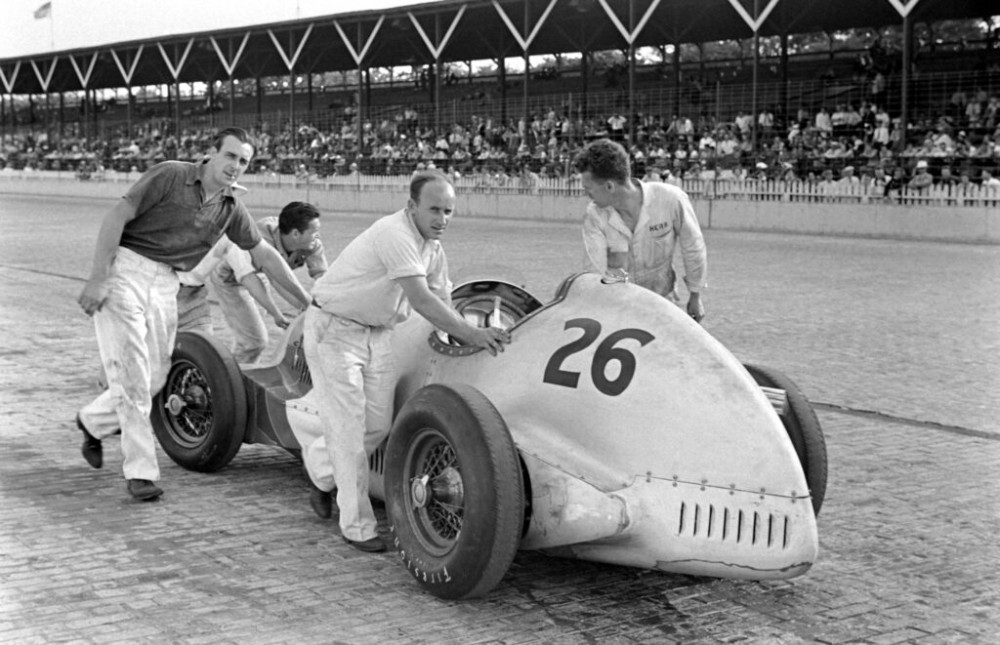
But the funny thing is, people already knew the front-engine setup wasn’t the future. Porsche had been toying with mid-engine layouts in the ’30s. A mid-engine car even made the Indy 500 grid in 1939. Then the war hit, development froze, and when racing returned, teams fell right back into old habits. Front engine, long nose, big ego.
Why the engine really belonged in the back
It didn’t take long for reality to catch up. A car with all its weight pushed up front doesn’t want to turn. A mid-engine car, with most of its mass centered, reacts instantly. It’s faster to rotate, easier to control, and has far better traction because the weight sits right over the drive wheels.
Put simply: front-engine cars were fighting physics. Mid-engine cars were using it.
The tiny team that flipped F1 on its head
The actual revolution didn’t come from Ferrari or Mercedes. It came from a small British outfit called Cooper — a father-and-son shop building simple race cars for people who couldn’t afford Formula 1. Their smaller cars used chain drives, so sticking the engine in the back just made mechanical sense. Nothing philosophical. Nothing dramatic. Just practicality.
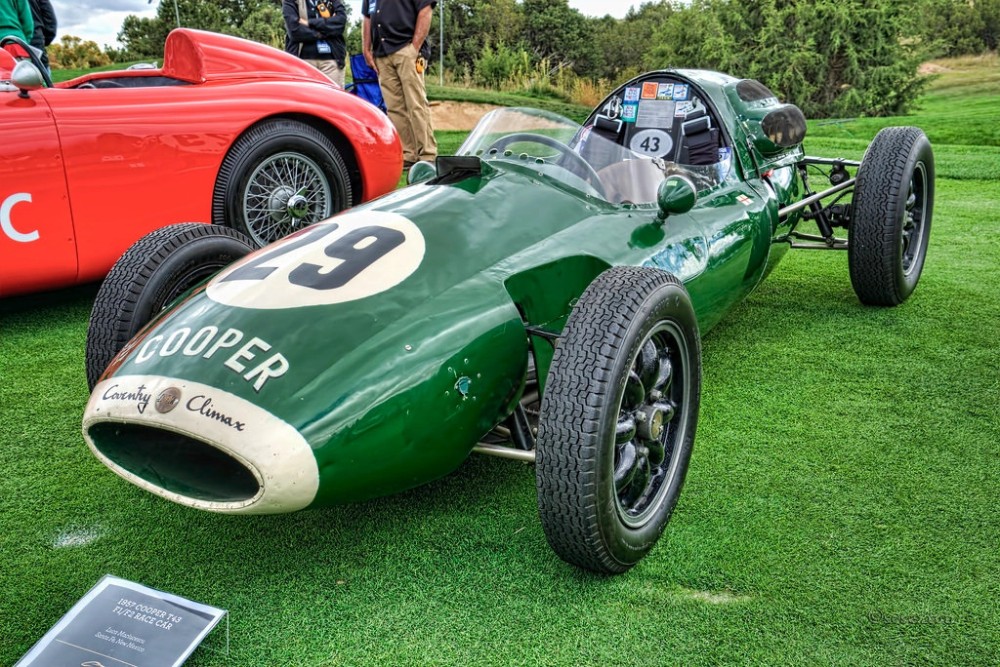
The surprising part? Those little rear-engine Coopers were fast. Fast enough that Cooper tried the idea in F1. The early attempt didn’t set the world on fire, but the next one did. The Cooper T43 became the first rear-engine car to win a Grand Prix, and suddenly the entire paddock had a problem on its hands.
The last roar of the old era
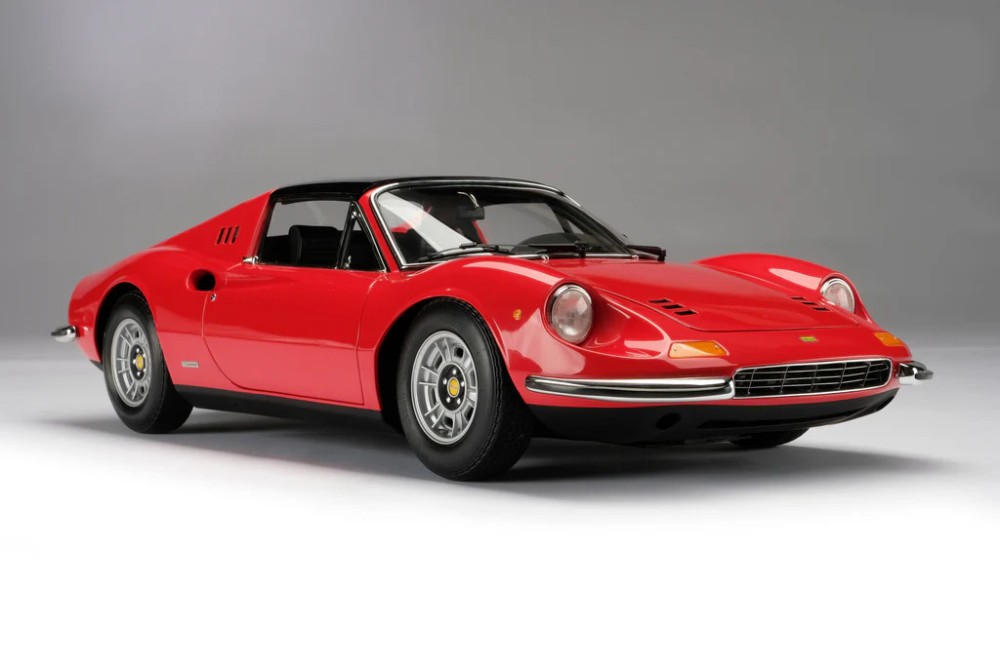
Front-engine cars made one final stand in 1960, when Phil Hill muscled a Ferrari Dino 246 to victory at Monza. That was the last time a front-engine car won a Formula 1 race — the end of a layout that had defined race cars for decades.
After that, everyone switched. Not because of fashion, not because of rules, but because a stopwatch never lies. A rear-engine car was quicker. That was it. The sport changed forever.
Today, every F1 car is technically mid-engine. The front-engine era didn’t fade away slowly. It dropped off a cliff the moment something better showed up.