
The History of Audi Quattro: How Military Tech Built a Racing Icon
by AutoExpert | 19 December, 2025
Audi talks a lot about the future, but one of the brand’s most defining features is something it figured out decades ago—and never let go. It’s called quattro, and it’s the reason so many Audi owners feel weirdly confident driving in rain, snow, or just ugly road conditions.
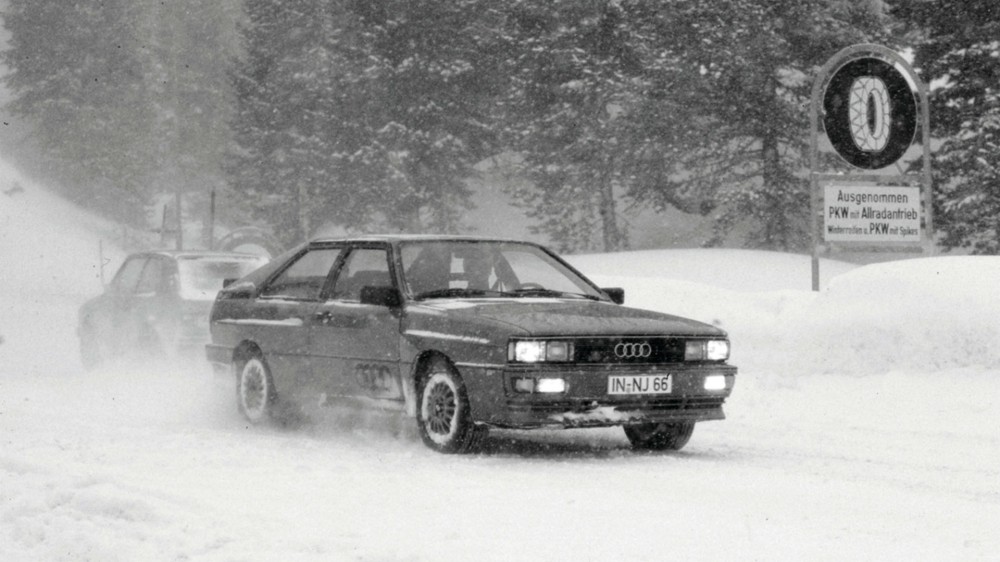
All-wheel drive feels normal now. You can get it on a family crossover, a compact sedan, even some base models. But when Audi showed up with quattro in the early ’80s, it wasn’t normal at all. Back then, all-wheel drive belonged to military trucks and off-road rigs, not sleek street cars.
A very unsexy origin story
Quattro didn’t come from a design studio or a race team. It came from a boxy Volkswagen military vehicle being tested in the late 1970s. The thing was slow, loud, and about as exciting as a filing cabinet—but it refused to lose traction. Engineers noticed it could drive through snow and slush that left regular cars struggling.
That got people thinking. If this clunky 4x4 could grip like that, what would happen if the same idea went into a fast road car?
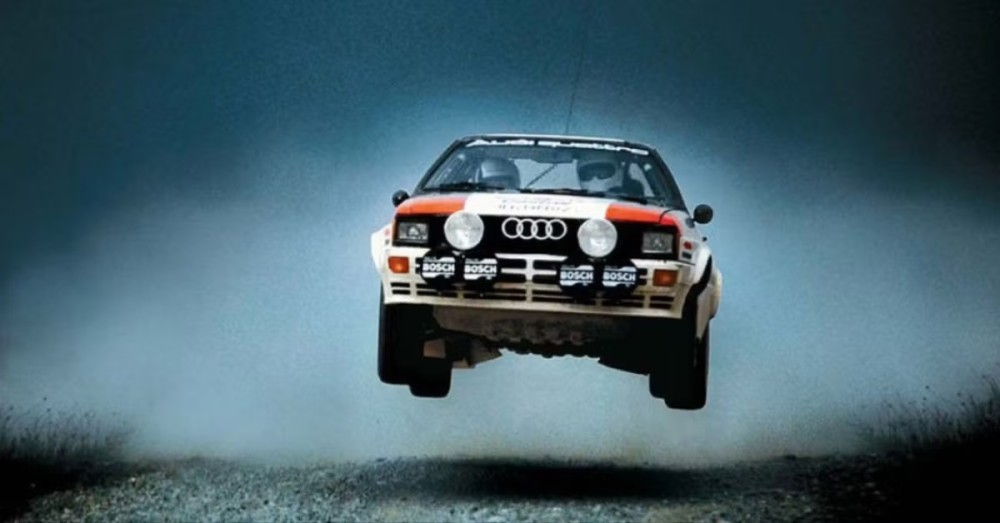
Audi answered that question in 1980 with the original Audi Quattro. And once it hit the road, the difference was obvious. While other cars spun their tires and fought for control, the Quattro just… went.
Why Audi never moved on
Most car tech gets replaced. Quattro didn’t. Instead, Audi kept tweaking it, adjusting it, and reshaping it to fit whatever car it was building at the time.
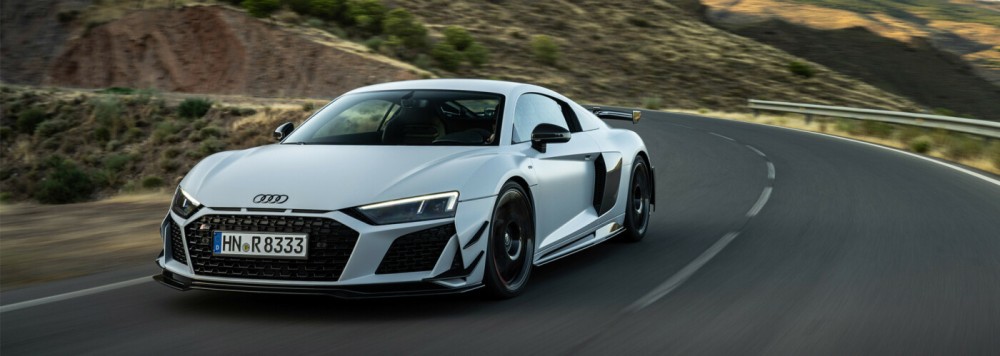
Some versions send power to all four wheels all the time. Others mostly drive the front wheels and only bring the rear ones in when things get slippery. In Audi’s electric cars, quattro doesn’t even use traditional mechanical parts anymore—just electric motors and software making split-second decisions.
Different hardware, same idea: give the driver traction before they even realize they need it.

Racing made it famous, but that’s not the point anymore
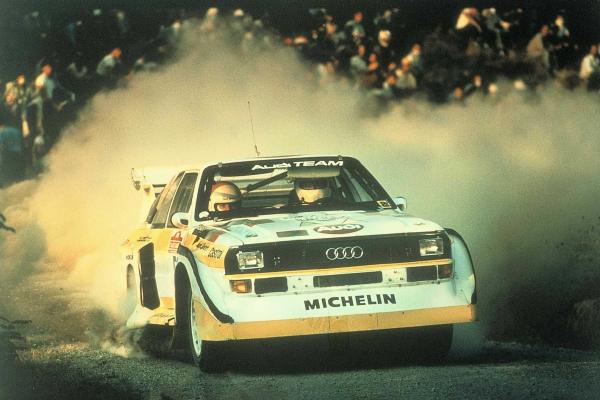
Yes, quattro dominated rally racing. Yes, it crushed records at Pikes Peak and embarrassed big V8 cars in American racing series. That’s how it became famous.
But that’s not why it still matters.
What keeps quattro relevant isn’t trophies—it’s mornings after snowstorms, rainy highways, dirt roads, and sketchy on-ramps. It’s the feeling that the car is doing some of the thinking for you when the surface isn’t perfect.
The reason it’s still here
Quattro isn’t free. It adds weight. It adds cost. It adds complexity. But for a lot of drivers, the trade-off feels worth it because the car feels calmer, more planted, and easier to trust when conditions aren’t ideal.
That’s why Audi still relies on a 45-year-old idea. Not because it’s tradition. Not because it sounds good in ads. But because, all these years later, it still solves a real problem—and does it quietly, without asking for attention.