The Hidden ROI of Motorsports: Why Big Brands Bet on Racing
by AutoExpert | 24 March, 2025
Remember that old saying "Win on Sunday, sell on Monday"? That was the golden rule for car companies in NASCAR's early days. But in 2025, with Formula 1 teams burning through hundreds of millions annually, nobody's naive enough to think a weekend victory pays for itself in Monday sales. So why do automakers keep pouring money into racing?
Turns out, it's complicated—and pretty fascinating.

The Real Economics of Racing
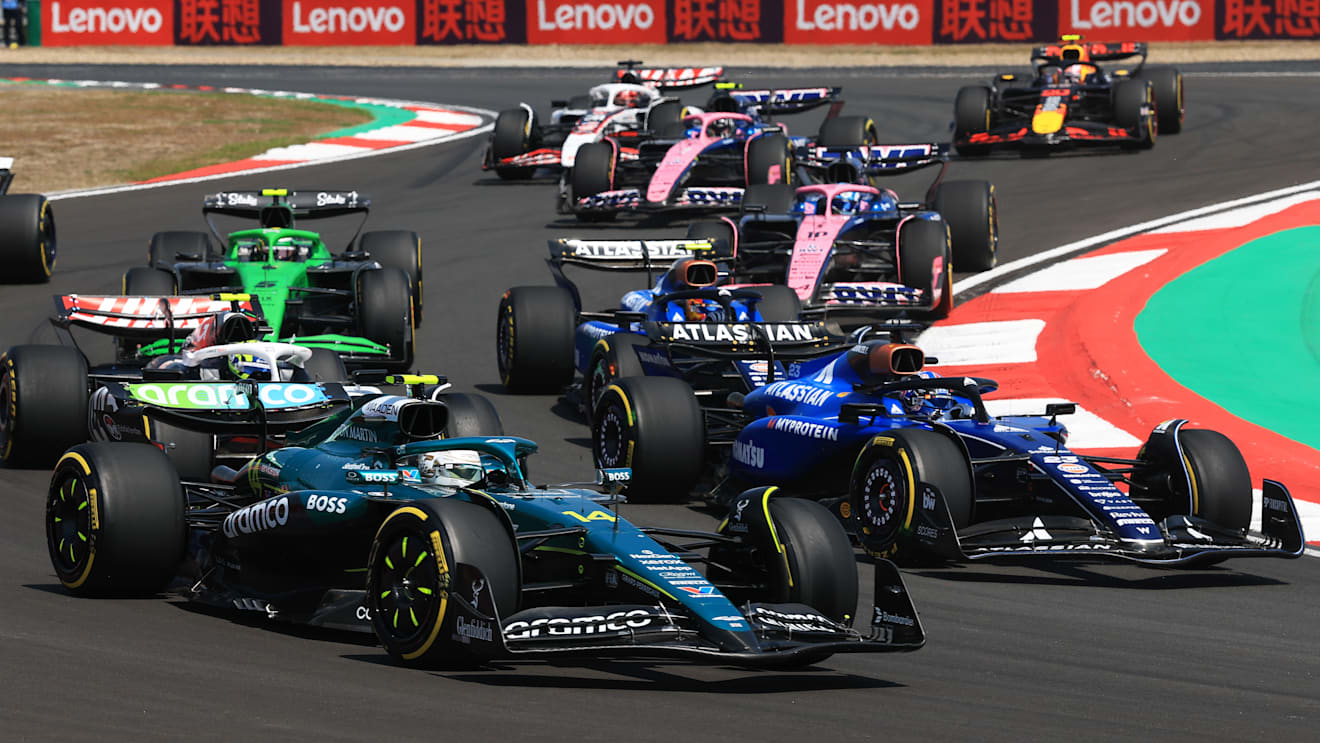
When you look at the astronomical numbers behind Formula 1, your jaw might drop. Mercedes-AMG Petronas F1 spent a staggering $530 million in 2023. That's more than some small countries' GDPs! But here's the kicker—they still walked away with $104 million in profits. Not too shabby.
Not everyone's so lucky though. Aston Martin's F1 team (technically AMR GP) dropped over $300 million in 2023 only to end up nearly $37 million in the red after taxes. Ouch.
"The potential benefits can outweigh the costs," explains James Picariello, senior automotive analyst at BNP Paribas, about F1 racing. The financial picture gets clearer thanks to UK disclosure laws, where most F1 teams are based.
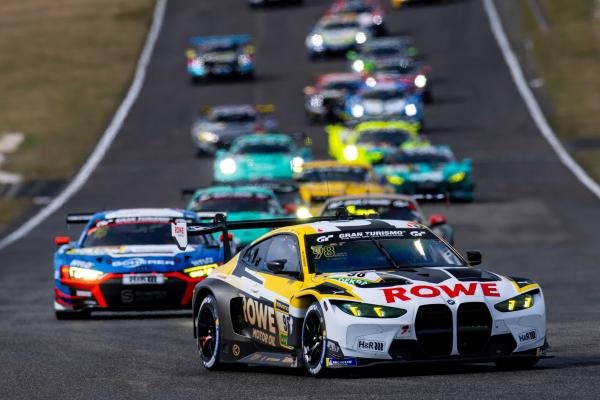
For manufacturers who can't stomach F1's price tag, endurance racing offers a somewhat more affordable alternative. The FIA World Endurance Championship (WEC) Hypercar class and International Motor Sports Association (IMSA) GTP class teams still cost tens of millions to field, but that's practically pocket change compared to F1.
Testing Tomorrow's Tech Today
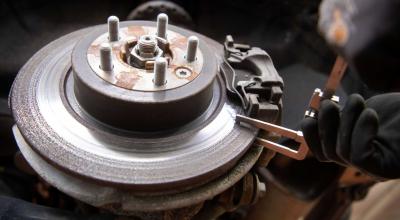
Beyond the marketing buzz, racing serves as the ultimate test lab. While strict regulations mean your street car won't be identical to what's on track, plenty of innovations make the leap from race to road.
Manufacturers use racing as a real-world proving ground for new concepts—whether it's powertrain setups, thermal management systems, or tire compounds. When a component can survive 24 hours at Le Mans, your daily commute seems pretty tame by comparison.

Genesis Joins the Party
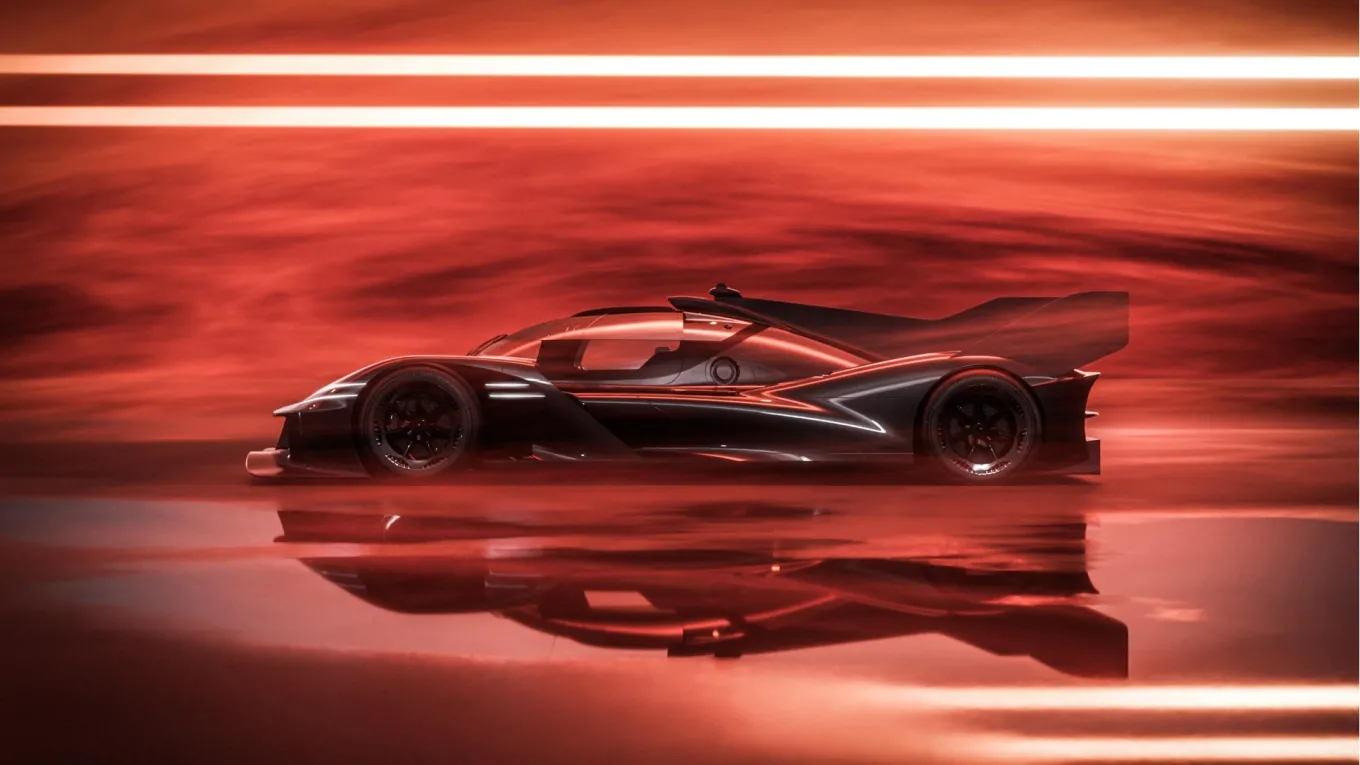
The newest kid on the racing block? Genesis. In December, Genesis Magma Racing unveiled their GMR-001 LMDh racer, set to compete in WEC and IMSA starting in 2026 and 2027.
For a luxury brand that's barely 10 years old, this isn't just about winning trophies. "Motorsport is known for raising brand awareness," admits Genesis chief brand officer Luc Donckerwolke. "But that's not the only factor. The main factor for me is to learn from motorsports and get experience and know-how for our high-performance products."
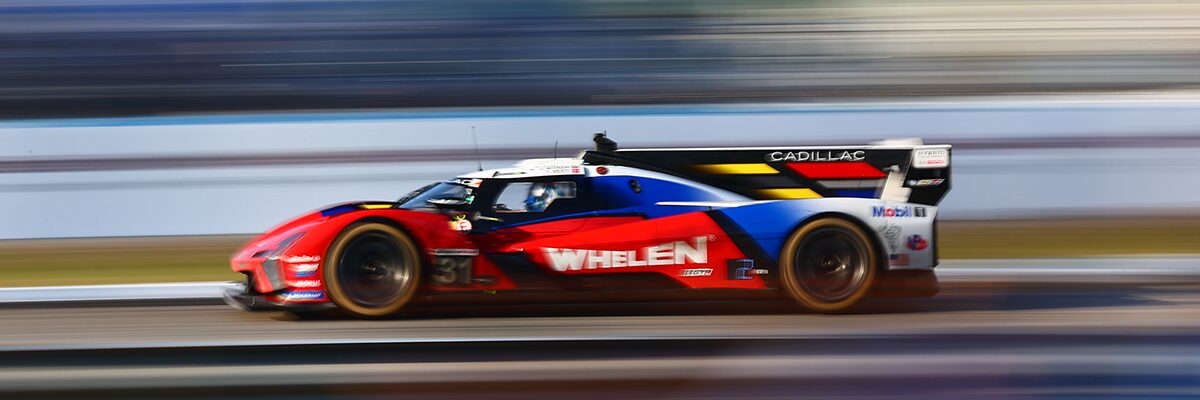
Meanwhile, Cadillac, which returned to endurance racing 25 years ago, is taking an even bigger leap—they'll be contesting Formula 1 in 2026 as part of a GM effort.
Watching Those Budgets
Since 2023, F1 has tried to rein in the spending madness with a $135 million cap covering car development, manufacturing, most personnel salaries, and equipment costs. Engines get their own $95 million limit. Come 2026, those caps will increase to $215 million and $130 million respectively.
There are no limits on driver salaries or marketing budgets, though. Between sponsorships, prize money, and revenue sharing, F1 teams have multiple paths to profitability.
Measuring Success Beyond Trophies
For brands like Cadillac, racing translates directly to sales. "We sold approximately 700 to 800 General Motors vehicles through our IMSA racing platform in 2024," reveals Meagan Quinn, a marketing manager for GM who works with Cadillac Racing. The company tracks leads generated at race-day vehicle displays, with dealers following up immediately on serious prospects.
The audience is certainly there. IMSA president John Doonan reports that 11 of 12 events in the 2024 season broke attendance records. NBC Sports says viewership of IMSA broadcasts jumped 37 percent over five years, reaching more than 12 million viewers last season.
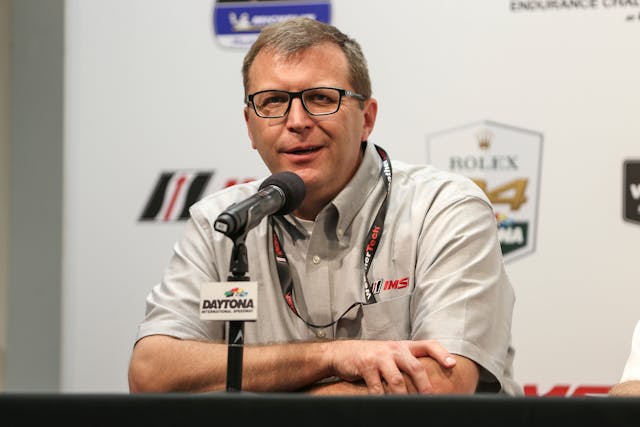
Doonan, who previously directed motorsports for Mazda in North America, isn't surprised by racing's enduring appeal to both manufacturers and fans.
"For me, in my heart of hearts," Doonan says, "the most authentic way to market and advertise an automobile brand is through motorsport."