
The Growing Trend of Car Feature Subscriptions: Are They Worth Your Money?
by AutoExpert | 8 April, 2025
Just when everyone thought subscription fatigue couldn't get worse, the auto industry has entered the chat.
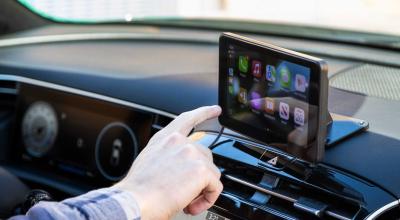
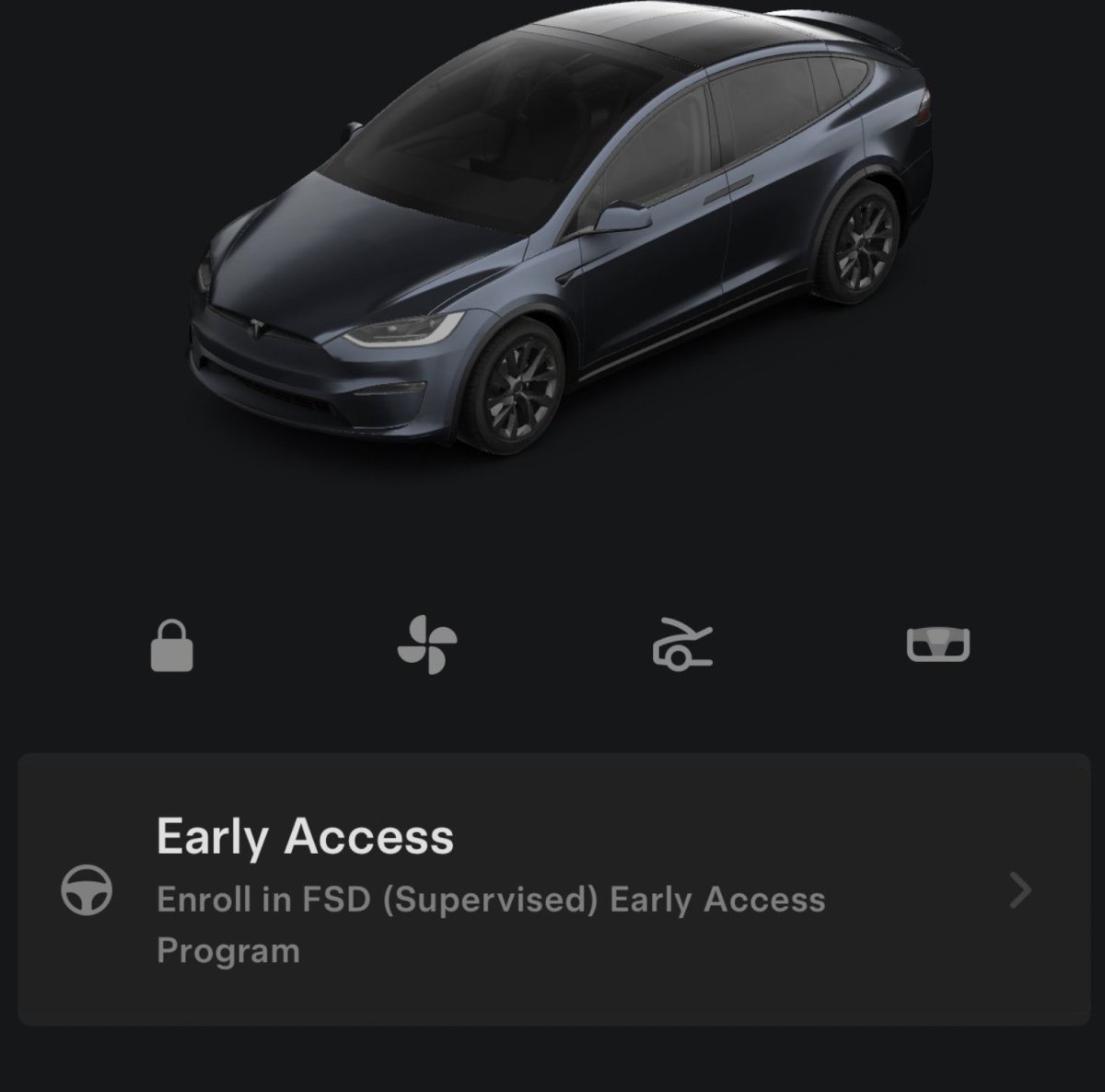
Carmakers are increasingly asking drivers to pay monthly or annual fees for features that used to be standard equipment or one-time purchases. Want remote start in your Toyota? That'll be $8 a month. Fancy using BMW's dashcam? Fork over $39 yearly or $149 for a lifetime subscription. Tesla's controversially-named "Full Self-Driving" system costs a whopping $12,000 upfront or $200 monthly.

This shift isn't happening by accident. As vehicles become more software-defined, automakers see dollar signs in the subscription model. GM's CEO Mary Barra has set an ambitious target of $20-25 billion annually from subscriptions by 2030, while Ford's Jim Farley boasts that software already brings "hundreds of millions" with fat 50% profit margins.
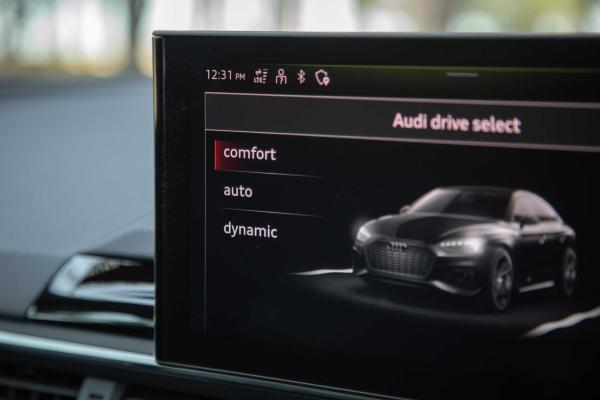
The concept isn't entirely new. GM's OnStar pioneered vehicle subscriptions nearly 30 years ago with its emergency and roadside assistance services. What is new is the scope of what's being monetized—everything from heated seats to acceleration boosts.
"As vehicles become more software-centric, automakers see opportunities to monetize features that can be activated via software updates," explains Fanni Li from S&P Global.

But there's a difference between what automakers want and what consumers will accept. BMW famously retreated from charging subscription fees for heated seats and Apple CarPlay after public backlash. Research suggests people are willing to pay ongoing fees for certain features—particularly safety tools and driver assistance—but draw the line at basics like heated seats, with fewer than 30% willing to subscribe to such amenities.
The sales approach matters too. About 45% of drivers who had services activated during free trial periods continued as subscribers. "We've found that if consumers get a taste of these connected services, they're more likely to pay for them," notes Yanina Mills of S&P Global Mobility.
For automakers, there's another valuable commodity beyond subscription revenue: data. Even non-subscribing connected cars generate usage information that helps companies develop better products and more targeted marketing.

This data collection has raised red flags. A Mozilla Foundation report bluntly called cars "the worst product category we have ever reviewed" for privacy practices, with all 25 brands they examined earning warning labels. The New York Times has also reported on how automakers sell driver data to insurance companies through data brokers.
As the industry navigates this new frontier, one thing is clear: the relationship between drivers and their vehicles is fundamentally changing. The question is whether consumers will embrace this pay-as-you-go future or push back against being nickeled and dimed for features they once took for granted.