
The Future of Self-Driving Cars: Progress, Setbacks, and Predictions
by AutoExpert | 31 March, 2025
Self-driving cars have been the auto industry's favorite promise for years now. Despite over a decade of development and billions poured into autonomous vehicle tech, we're still not zipping around in cars without steering wheels. In fact, the road has gotten bumpier lately, with major players like Apple and GM pulling the plug on their driverless programs in 2024, following Ford and Volkswagen who bailed back in 2022.
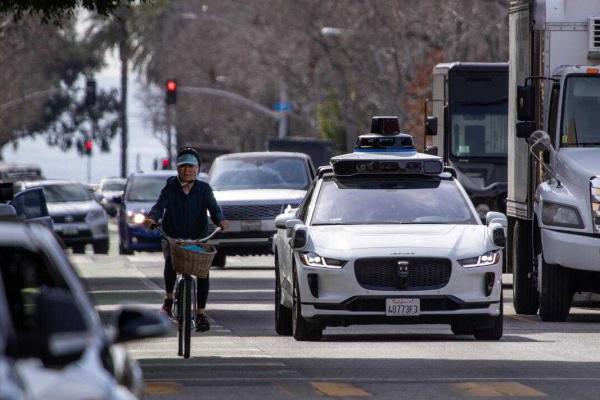
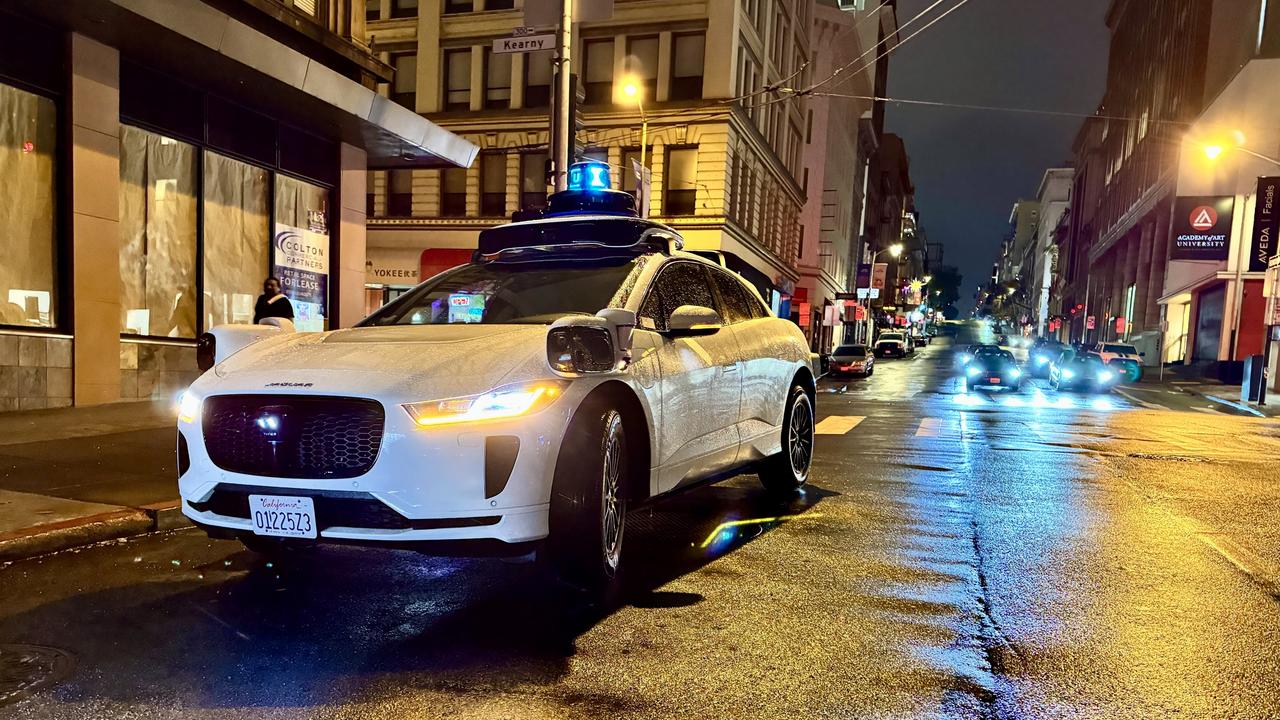
So is the driverless dream dead? Not quite. While some big names have thrown in the towel, Google's Waymo is still cruising along with its robotaxi services in Austin, Los Angeles, Phoenix, and San Francisco. These vehicles might still have steering wheels, but they're rolling without human drivers, giving us a sneak peek at what's coming.
Tesla: Always "Almost There"
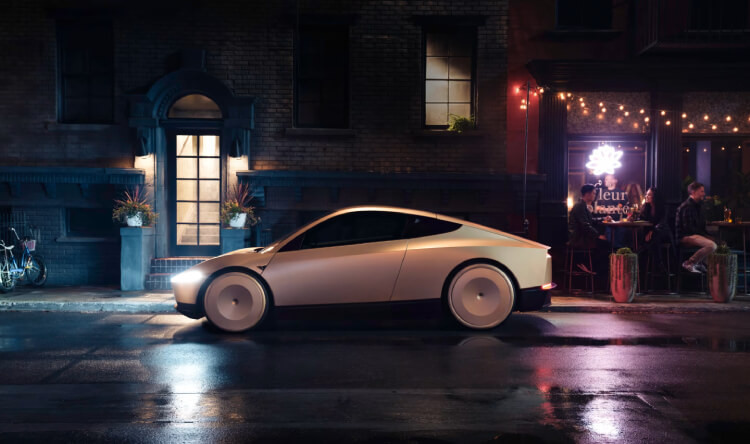
Tesla's Elon Musk has been talking up his Autopilot and Full Self Driving (FSD) tech for what feels like forever. He insists Tesla's systems can handle most driving situations and are on the verge of full automation. But even the ever-optimistic Musk admits we won't see a Tesla robotaxi service before "late 2026" – and the complete rollout could drag on for years after that.
So When Will These Things Actually Be Everywhere?
Waymo is tight-lipped about when its self-driving tech might reach every major U.S. city. Its competitor Wayve (working with Uber) is equally vague about global rollout timelines.
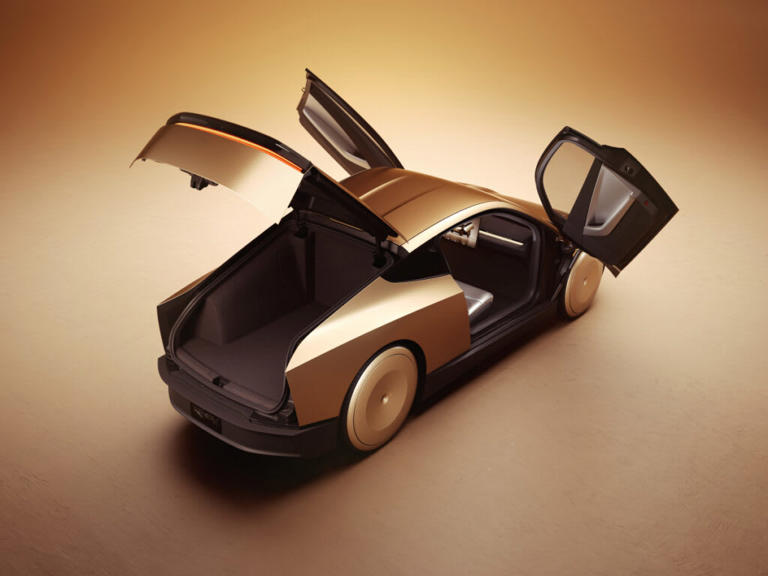
Looking at how things are progressing with companies like Waymo and Tesla, we're probably looking at 2030 at the earliest before self-driving cars become truly mainstream. The money-making potential is too huge for companies to give up on, and advances in AI should speed up development of the complex algorithms needed to make these vehicles work in the real world.
What's Taking So Long?
Several roadblocks stand in the way: the infinite variety of driving scenarios a car might encounter, keeping sensors clean and functional in different weather conditions, and navigating the maze of regulations for testing and operating autonomous fleets. Safety concerns loom largest, especially since a self-driving car killed a pedestrian in Tempe, Arizona back in 2018.
Can You Buy One Today?
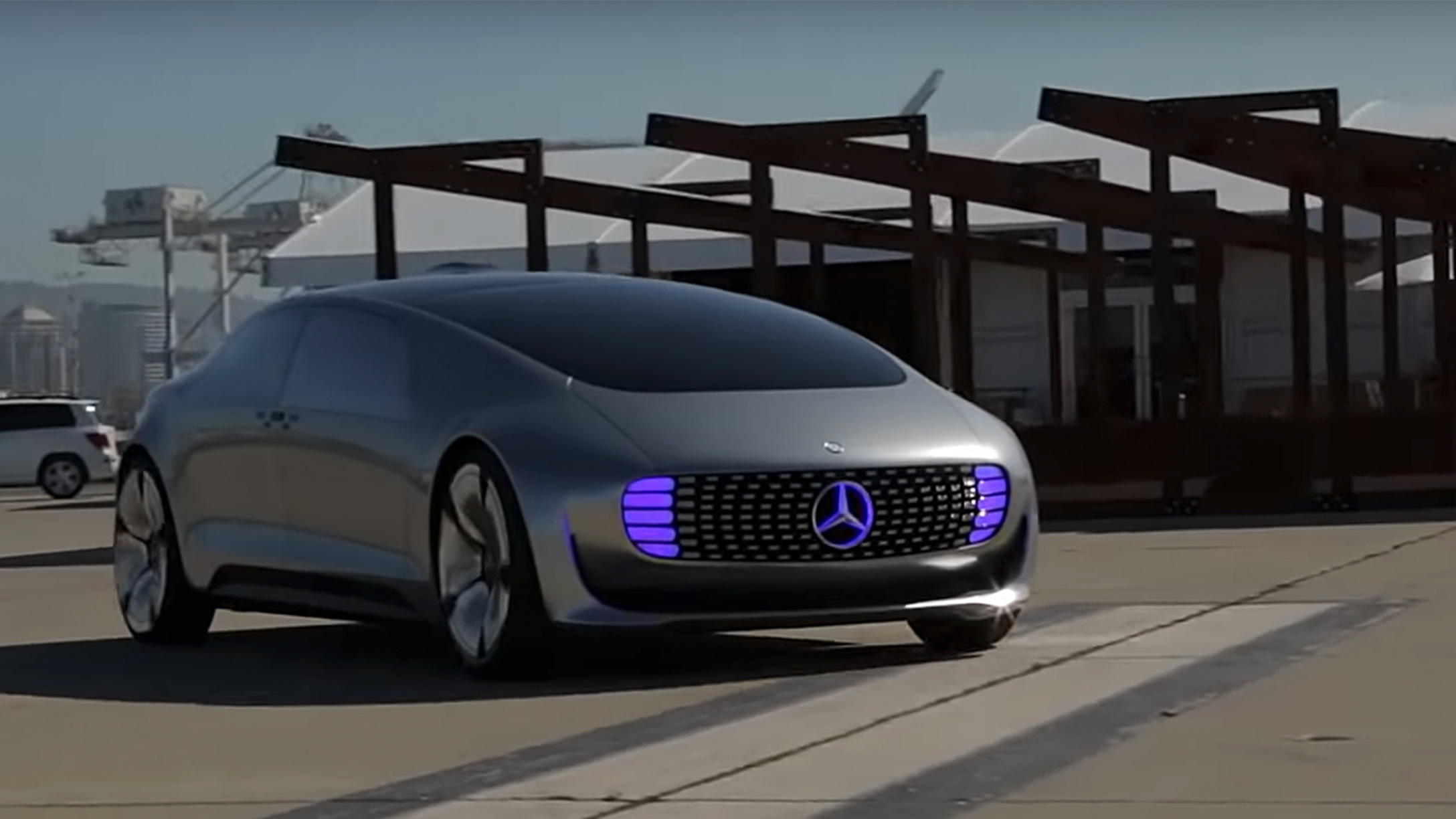
Despite all the marketing hype around "semi-autonomous" tech, the simple truth is there are zero truly self-driving cars you can buy right now. Mercedes-Benz comes closest with its S-Class and EQS sedans, which offer limited Level 3 autonomous driving (as defined by the Society of Automotive Engineers).
;Resize=(1280))
Mercedes calls it "Drive Pilot," but it only works on California freeways, only during daylight, and only at slower speeds. The upside? When it's active, the car – not you – is legally in control. Other systems like GM's Super Cruise and Ford's BlueCruise also allow hands-off highway driving by combining various technologies like lidar, adaptive cruise control, lane centering, and automatic emergency braking.