The Essential Guide to Car Undersealing: Protect Your Vehicle from Rust
by AutoExpert | 20 March, 2025
Ever wondered what that black stuff is on the underside of cars? Or why some vehicles seem to dissolve into rust while others soldier on? Let's talk about car undersealing - that mysterious rust-fighting treatment that might just save your ride from an early trip to the scrapyard.
The Rust Problem Is Real
Take a stroll through any scrapyard and you'll spot plenty of modern-looking cars that have failed their MOT thanks to the dreaded rust monster. The annoying thing? Most of this damage happens out of sight. Water and grime sneak behind those plastic bumpers and trim, quietly munching away at your car's metalwork long before anyone notices. By that point, your wallet is in for a shock.

From tiny city runabouts to flash sports cars worth more than a house, no vehicle is immune. Japanese imports are particularly vulnerable since they weren't built for our salt-covered winter roads. And if you live near the coast? Those sea breezes might feel nice, but they're basically marinating your car in salt.
What Actually Is Undersealing?
In simple terms, it's a tough protective coating that you slap on the underside of your car - places like the chassis and wheel arches that take a beating from whatever muck the road throws at them. Think of it as a raincoat for your car's vulnerable bits. The good news? You can apply this stuff right in your driveway if you're the DIY type.
The Options: From Cheap and Cheerful to Premium Protection
Bitumen: The Budget Option
This is basically the same stuff they use on roads. At around a fiver for a small can, it won't break the bank. It's perfect for that old banger you don't expect to keep forever. Fair warning though - it's not winning any beauty contests, and you'll want gloves because this stuff is seriously messy. It'll give decent protection for about a year before it starts cracking, letting moisture sneak back in. So you'll need to reapply regularly.

Wax Underseals: The Clever Choice
Splash out a bit more and you'll get wax-based products that can actually "heal" themselves if they get chipped by road debris. Pretty smart, right? They do wear away after a few years though, especially if you're fond of pressure washing your car's underside. On really hot days, they can even melt a bit, leaving thinner protection in places. The best ones have chemicals that actively fight corrosion. For around $100, it's a bargain compared to welding repairs down the line.
You can also use specialized wax treatments for those hard-to-reach box sections like chassis rails and sills. Some folks thin their underseal with white spirit to inject into these hidden spots.
DIY Undersealing: Getting Your Hands Dirty
If you're reasonably handy, undersealing is definitely a driveway job. But be warned - it's messy business. You'll need:
- Eye protection (seriously, don't skip this)
- Good access to the car's underside (via ramp or axle stands)
- Patience and time
The process is pretty straightforward:
- Clean everything thoroughly
- Remove any old, cracked underseal with a wire brush
- Fix any existing rust holes (covering them up just hides the problem)
- Apply the new underseal using a paintbrush, spray can, or spray gun
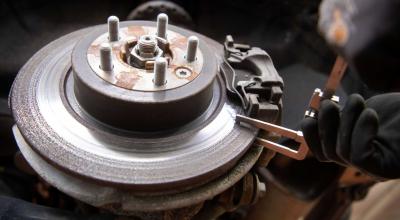
- Remember to mask off areas that shouldn't get coated (especially brakes!)
- Protect the exhaust too - if it gets coated, it'll smell awful when it heats up
- To reach enclosed areas like sills, carefully remove blanking plates or grommets
- Drop down wheel arch liners to get behind them
- Spray from different angles to get even coverage
- Reattach any trim pieces once everything's dry
Calling in the Pros
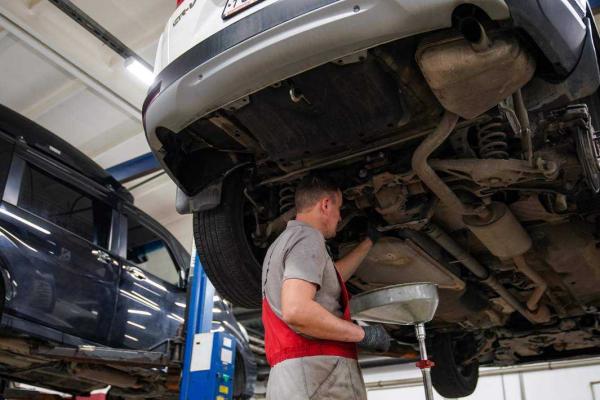
Not the DIY type? No worries. Garages, bodyshops, and specialists will do this for you, typically charging between $500-$700. Just make sure to go on recommendations rather than just price.
Already Got Rust? Not Game Over
Even if your car already has some surface rust, you can still underseal it. Just brush away the surface rust with a wire brush and apply a rust converter before the underseal. For rust that's eaten through the metal, you'll need a bodyshop's help first.

The Bottom Line
Undersealing might seem like a faff, but it's way cheaper than welding repairs later on. Regular checks and early treatment of any rust spots will keep your car on the road longer and save you serious cash in the long run. In the battle against rust, prevention is definitely better than cure.