
The End of an Era: Why Pop-Up Headlights Were Discontinued on Cars
by AutoExpert | 10 December, 2025
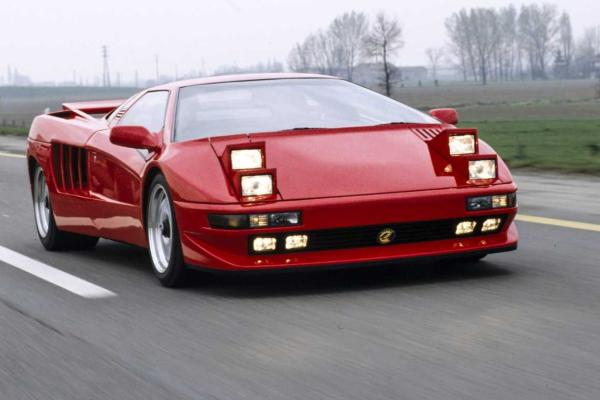
For anyone who grew up in the ’80s or early ’90s, pop-up headlights were peak cool. They showed up on everything — exotic supercars, oddball sports coupes, even perfectly normal family cars. And then, almost overnight, they vanished.
It wasn’t because automakers forgot how to make them. And it definitely wasn’t a conspiracy against cool design. The real story is a mix of safety rules, better lighting tech, and one very influential Ford sedan.
Where pop-ups came from
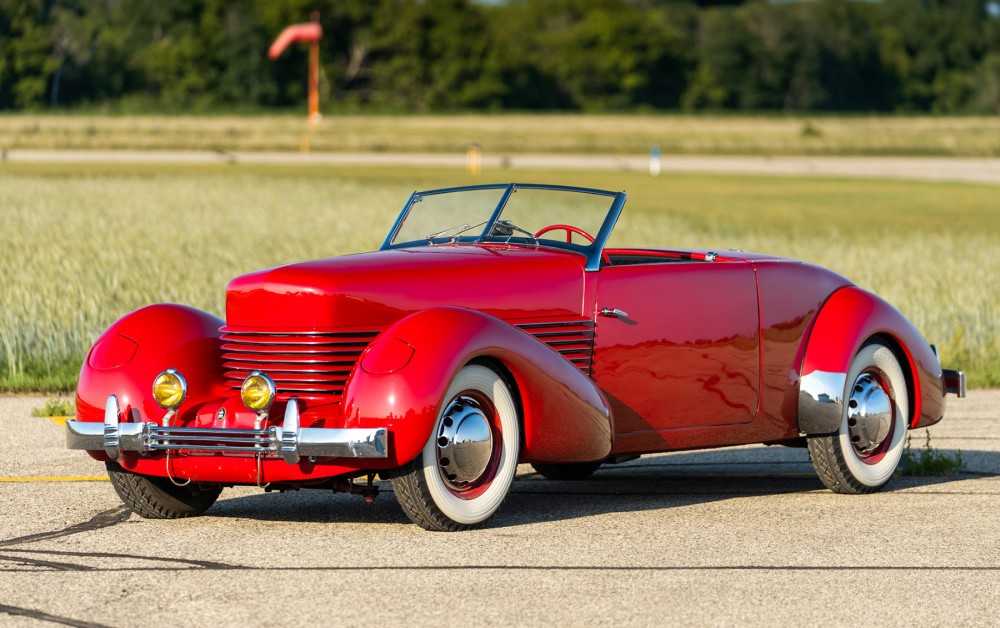
Pop-up headlights weren’t invented in the ’80s — they actually go back to the 1930s, starting with the gorgeous 1936 Cord 810. Designers loved the idea because it let them hide the huge, awkward headlights of the era and keep the car’s shape clean.
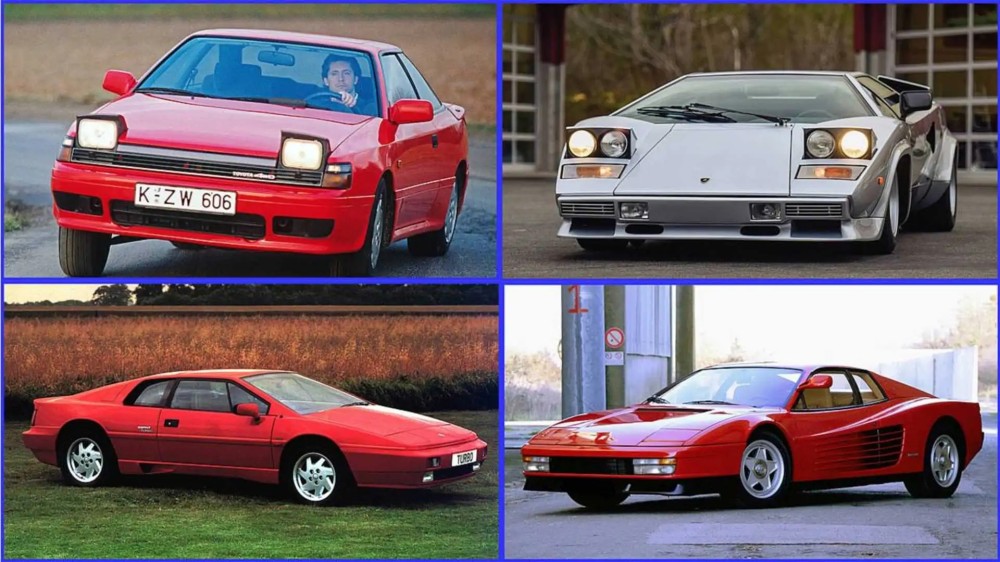
Through the ’60s and ’70s, as federal rules forced standardized sealed-beam headlights on everyone, hiding them behind flip-up lids became an easy way to make a car look sleeker. By the early ’80s, if you wanted a futuristic wedge-shaped sports car, pop-ups were practically mandatory.
The decade when pop-ups ruled everything
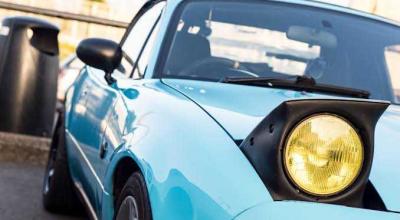
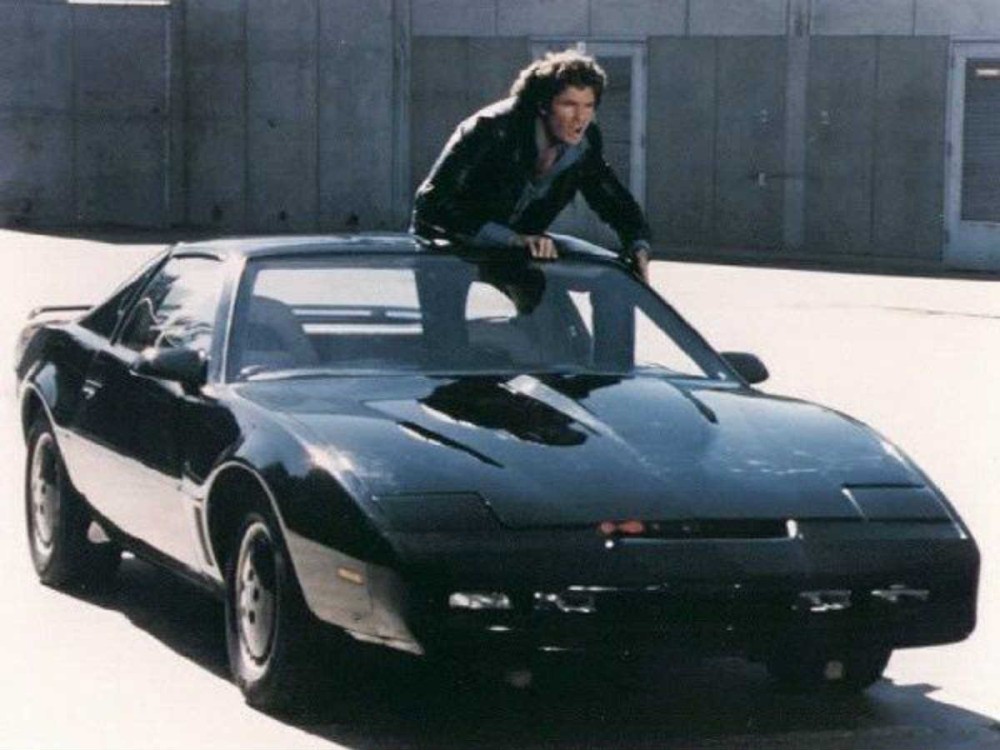
The 1980s were the golden age. Ferraris. Lamborghinis. The Miata. Even weird little subcultures got their icons. And with “Knight Rider” beaming a talking Pontiac with hidden headlights into millions of living rooms, pop-ups weren’t just a design quirk — they were a lifestyle.
They also broke. A lot. Motors jammed. Hinges froze. Some cars permanently winked at everyone on the road. Owners tolerated it because the payoff was worth it, but the technology was always a little temperamental.
The Taurus enters the chat
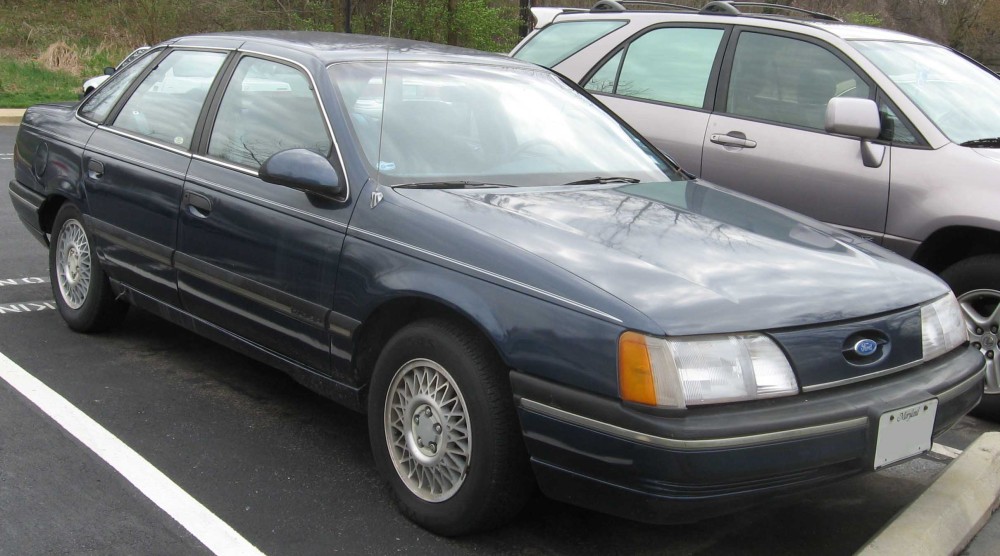
The beginning of the end came from an unexpected place: the Ford Taurus.
When Ford was developing the Taurus in the early ’80s, it wanted sleek new composite headlights that weren’t allowed under the old federal rules. So the company pushed hard for the regulations to change — and eventually, they did. Suddenly, automakers could design headlights in almost any shape they wanted, without flipping them up or hiding them.
And once headlights could be sleek and permanent, pop-ups stopped being a necessity and started looking... complicated.
Safety sealed the deal
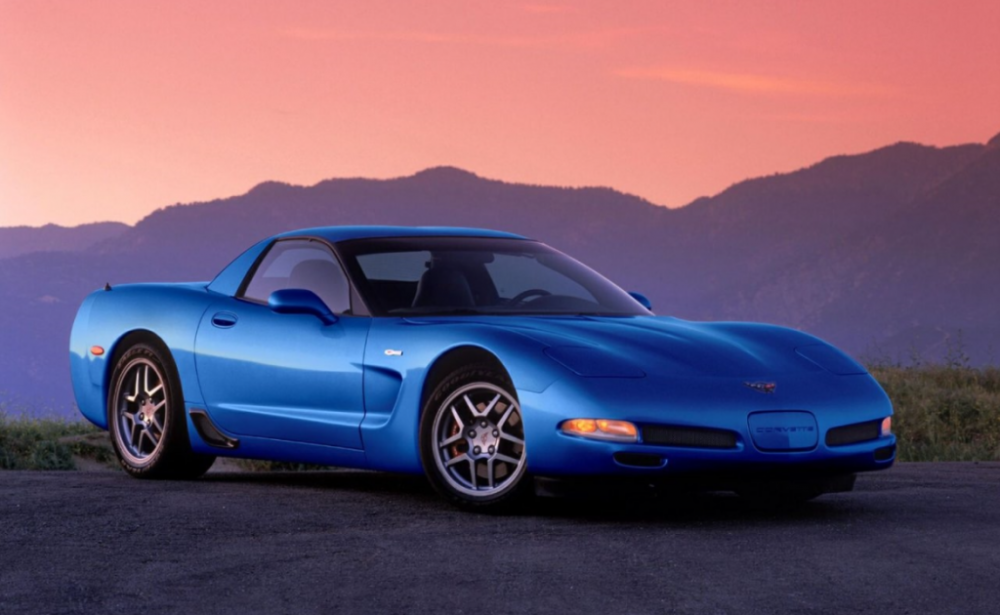
In the late ’90s, new pedestrian-safety rules in Europe made pop-ups basically illegal, because hard edges and moving panels aren’t great in a collision with a human being. The U.S. didn’t ban them outright, but the writing was on the wall. By the early 2000s, only two cars in America still had them: the C5 Corvette and the Lotus Esprit. After they left production, the era quietly ended.
Why they’re gone for good
The final verdict is simple:
Pop-ups disappeared because safety standards tightened, headlights got better, and car design moved on.
Cars are safer now, and the lighting tech is objectively better. But pop-ups had something today’s LED signatures don’t: personality. They gave even ordinary cars a little moment of theater. One blink, one wink, one tiny mechanical flourish — now gone, and very much missed.