
The Drive Mode Overload: When Cars Get Too Complicated
by AutoExpert | 16 June, 2025
Remember when cars just... worked? When you didn't need a computer science degree to figure out how to make your ride fun without destroying your spine? Those days seem long gone, and frankly, it's getting ridiculous.
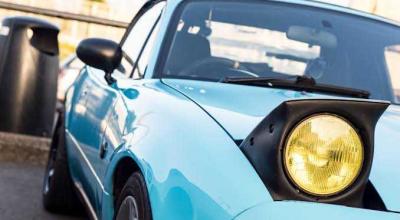
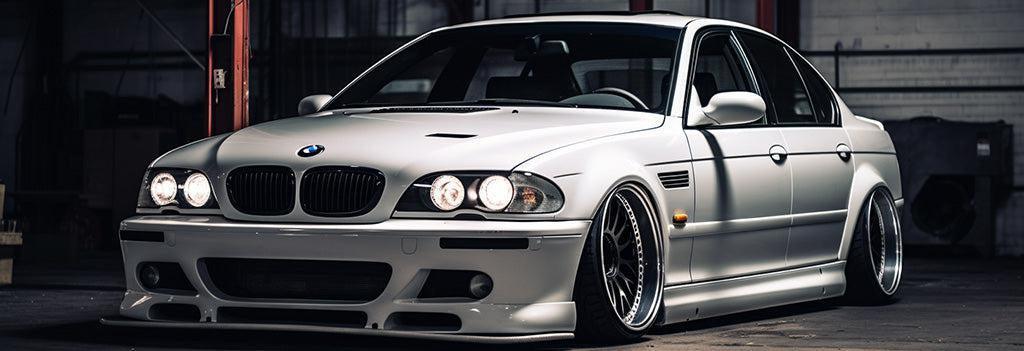
Take legendary cars like the E39 BMW M5 or the original Mazda Miata. These machines earned their "driver's car" status not because they had seventeen different settings to choose from, but because engineers actually did their homework. They found that sweet spot between daily comfort and weekend thrills without making drivers play menu navigator every time they wanted to have some fun.
The Computer Takeover
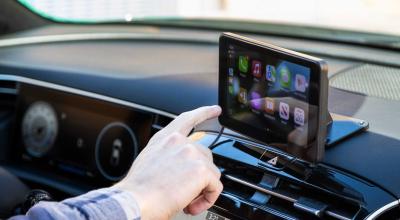
Modern performance cars have turned into rolling smartphones with too many apps. The Mercedes-AMG C63 S E Performance is a perfect example of this madness. This thing pumps out 671 horsepower, but good luck accessing all that power without diving into the right drive mode first. Even tech-savvy drivers struggle to find a setting that doesn't feel like a compromise.
It's like buying a sports car that comes with an instruction manual thicker than a phone book. Whatever happened to getting in and just driving?

Keep It Simple, Stupid
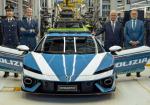
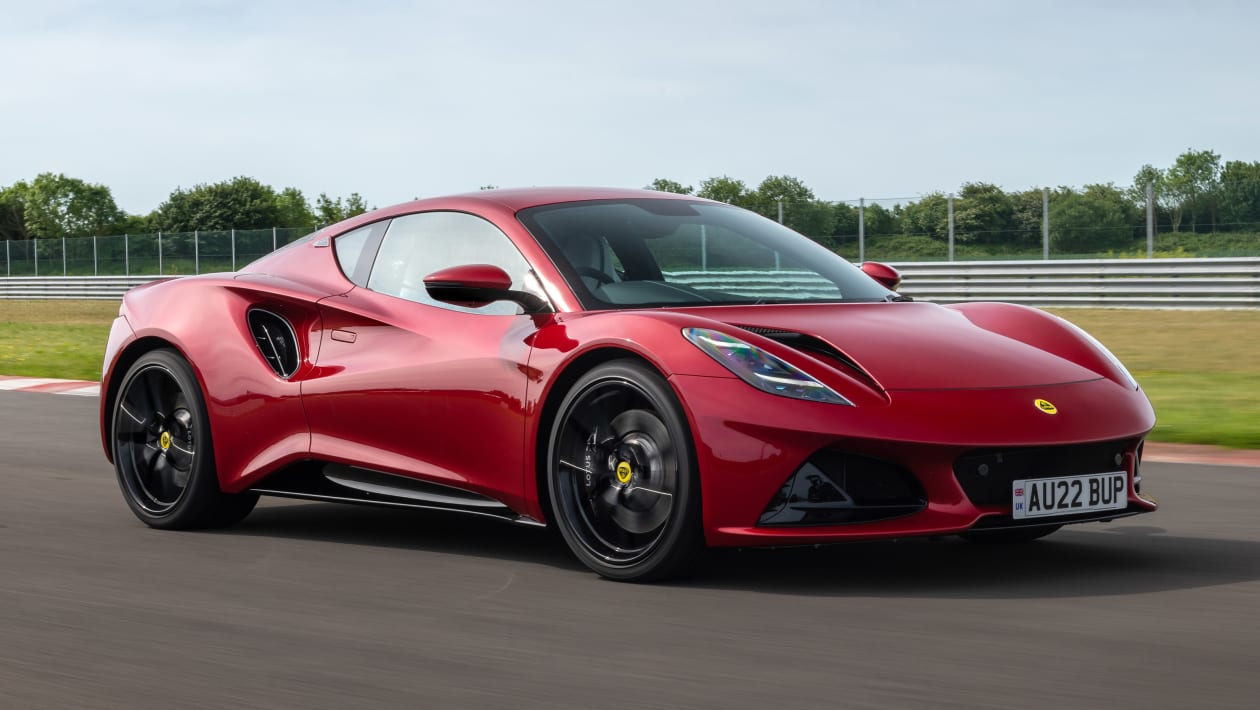
Here's the thing – three drive modes is plenty. Lotus figured this out ages ago. Their Emira keeps things refreshingly simple: Tour for cruising, Sport for spirited driving, and Track for when things get serious. They don't mess with the suspension because they tuned it right from the start. Novel concept, right?
Even Volvo gets it. A few years back, they basically said "enough with this nonsense" and stopped cramming multiple drive modes into their regular cars. Their philosophy? Build it right the first time so customers don't need to fiddle with settings every five minutes.
The Real Problem
The drive mode explosion isn't solving problems – it's creating them. Instead of engineering a well-balanced car from the ground up, manufacturers are throwing technology at the issue and calling it innovation. It's like putting a Band-Aid on a broken leg.
The best driver's cars in history proved that balance is achievable without all the digital wizardry. They worked because smart people spent time figuring out how to make one setup work for everything, not because they offered fifty different ways to mask poor engineering.

Maybe it's time for automakers to stop hiding behind menus and start building cars that just work properly from day one. Revolutionary idea, apparently.