
The Dale: The 70-MPG Miracle Car That Was Actually a Scam
by AutoExpert | 11 January, 2026
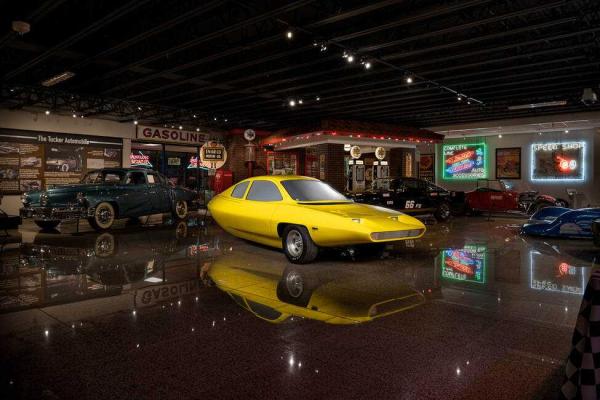
The car world has always attracted big dreamers — and a fair number of con artists. Back in the 1970s, one of the strangest cases of all came in the shape of the Dale, a three-wheeled “miracle car” that promised to change everything and ended up changing absolutely nothing.
On paper, the Dale sounded incredible. It was supposed to get 70 miles per gallon, hit 85 mph, and sell for about $2,000 — roughly $11,000 in today’s money. During the gas crisis, that kind of pitch was irresistible. Investors bought in. Deposits rolled in. Hype exploded.
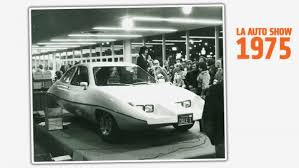
The reality? Not so much.
The Dale started life as a DIY project built around an actual motorcycle welded into a frame. Instead of engineering breakthroughs, it relied on bold claims: it was “untippable,” nearly indestructible, and safer than anything else on the road. At one point, its promoter even claimed she drove it into a brick wall at highway speed and walked away unharmed.
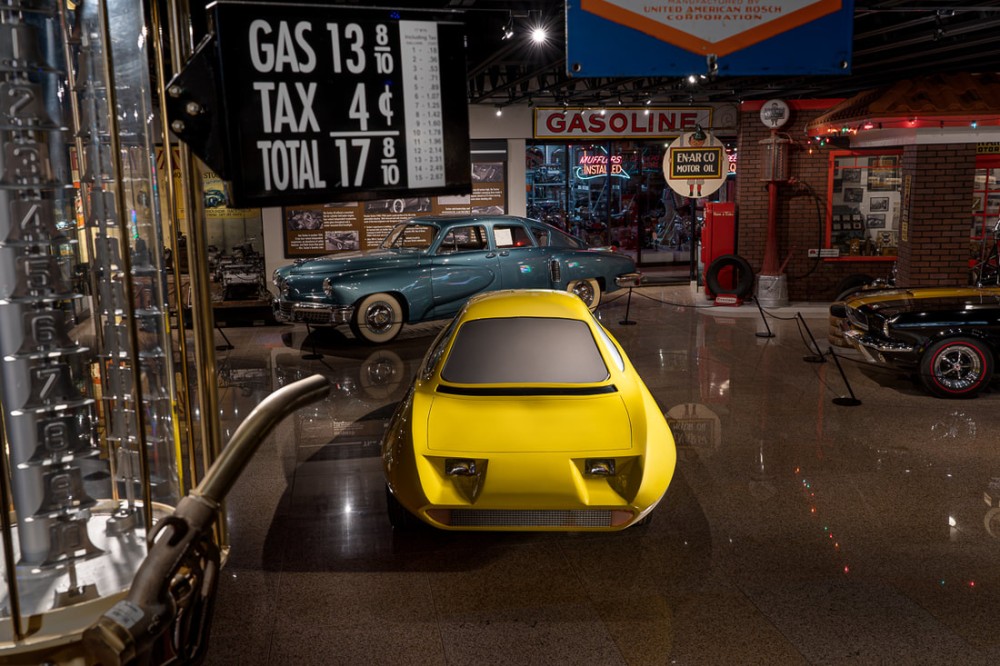
When regulators finally took a closer look, the fantasy collapsed. The factory turned out to be an empty lot. One prototype had wheels held on with lumber, doors attached using house hinges, and a gas pedal that wasn’t connected to anything. It wasn’t a future car — it was barely a car at all.
Still, the scam worked longer than it should have. Buyers put down deposits. Would-be dealers paid tens of thousands for franchise rights. Confidence and charisma carried the project far further than engineering ever did.
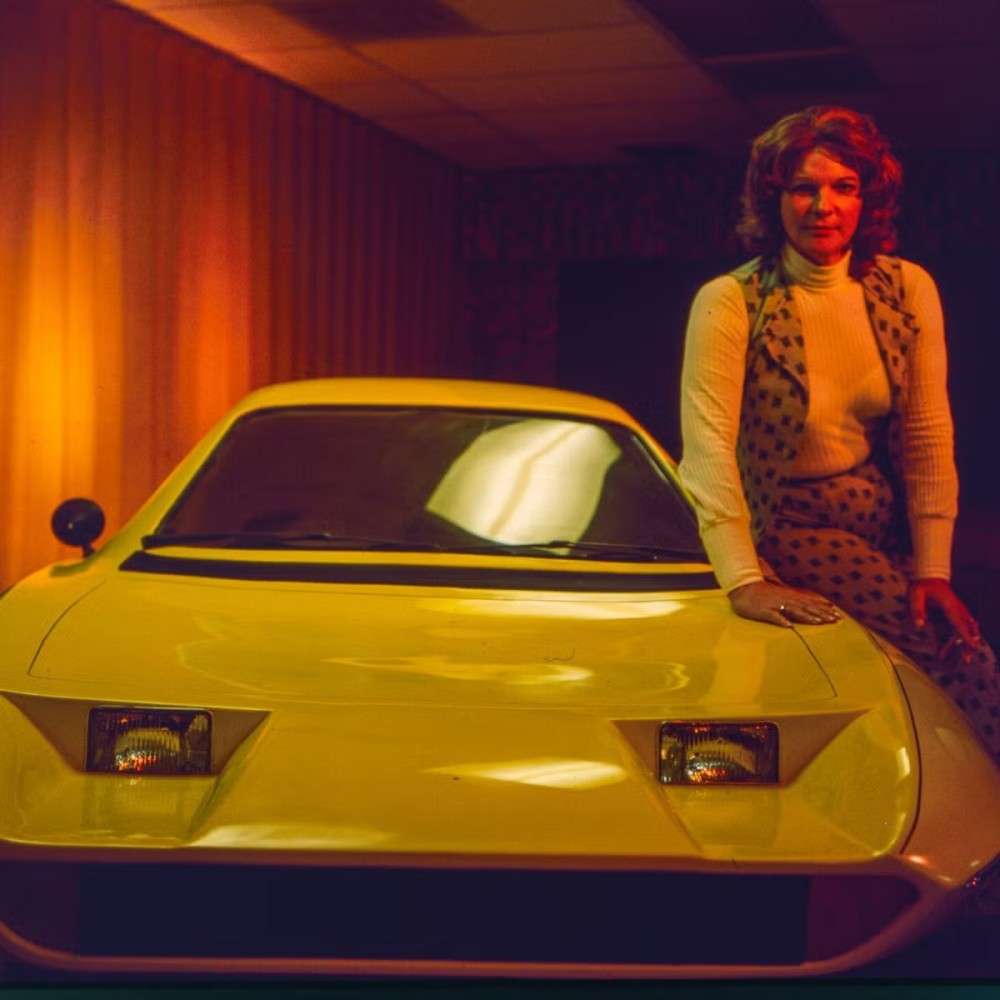
In the end, the courts called it what it was: fraud. The people behind the Dale went to prison, and the car became a cautionary tale instead of a revolution.
Ironically, the fuel-economy dream wasn’t the crazy part. Today’s hybrids and plug-ins regularly deliver numbers that would’ve sounded impossible in the ’70s. The difference is that modern cars actually exist — and their doors stay on without a trip to the hardware store.
The Dale didn’t fail because it aimed too high. It failed because it was built on hype, not reality. And that’s a lesson the car industry keeps relearning, one too-good-to-be-true promise at a time.